



Beach activities for families can completely change the way your family beach day feels, especially when you are traveling with kids who all have different energy levels, attention spans, and ideas of fun. The right activities help turn a simple beach trip into the kinds of summer memories your family still talks about long after the sand is gone from the car and beach bags.
Some kids want to stay in the water for hours, while others are ready to move on five minutes after finishing a sandcastle. Over the years, I have learned that having a few simple beach activities ready makes the entire day feel smoother, more relaxed, and a lot more enjoyable for everyone.
Most of the time, the activities that work best are not complicated.
Sometimes it is boogie boarding in the waves, searching for shells along the shoreline, playing beach games in the sand, or letting your kids explore tide pools while the ocean slowly pulls back. Those smaller moments are often the ones families remember most because they happen naturally instead of feeling forced or overplanned.
The following family-friendly beach activities are simple to start, work well for different ages, and help keep your beach day fun without making it feel exhausting for parents or overwhelming for kids.
TL;DR: Top 10 Beach Activities For Families This Summer
The best beach activities for families are usually the simplest ones. Activities like boogie boarding, shell collecting, shoreline treasure hunts, beach games, and sandcastle building help keep kids engaged while making your family beach day feel more relaxed and enjoyable.
This guide shares family-friendly beach activities that work well for toddlers, older kids, and mixed-age families without requiring complicated planning or expensive equipment. Whether your family prefers active beach games or slower-paced shoreline exploration, the following activities can help create fun, memorable summer beach days for everyone.
Summarize With AI
10 Beach Activities For Families This Summer
- Fishing From The Shore Or Pier
- Snorkeling And Underwater
- Exploration Building Sandcastles Together
- Beach Scavenger Hunts And Shell Collecting
- Boogie Boarding And Body Surfing Family
- Beach Picnics And Snack Breaks
- Flying Kites In The Afternoon Breeze
- Beach Obstacle Courses And Relay Races
- Exploring Tide Pools And Rock Areas
- Sunset Walks Along The Shore
Quick Comparison Of Family-Friendly Beach Activities for Summer
| Beach Activity | Best For | Energy Level | Works Best For | What Makes It Special |
|---|---|---|---|---|
| Fishing From The Shore Or Pier | Slower-paced family bonding | Low | Older kids, tweens, multigenerational families | Encourages patience, conversation, and quiet moments together |
| Snorkeling And Underwater Exploration | Curious and adventurous kids | Medium | Older kids and confident swimmers | Turns the ocean into a hands-on discovery experience |
| Building Sandcastles Together | Creative beach play | Low to Medium | Toddlers, younger kids, mixed-age families | Easy to start and naturally encourages teamwork |
| Beach Scavenger Hunts And Shell Collecting | Kids who love exploring | Low | Toddlers, younger kids, curious explorers | Keeps kids engaged without needing expensive equipment |
| Boogie Boarding And Body Surfing | Active beach fun | High | Older kids, teens, adventurous families | Great for burning energy and enjoying the waves |
| Family Beach Picnics And Snack Breaks | Midday resets and slower moments | Low | All ages | Helps everyone recharge without leaving the beach |
| Flying Kites In The Afternoon Breeze | Relaxed outdoor fun | Low to Medium | Younger kids and multigenerational families | Simple activity that feels exciting without much setup |
| Beach Obstacle Courses And Relay Races | High-energy group play | High | Kids with lots of energy | Adds movement, laughter, and family interaction |
| Exploring Tide Pools And Rock Areas | Nature-focused exploration | Low to Medium | Toddlers, younger kids, curious older kids | Creates interactive learning and discovery moments |
| Sunset Walks Along The Shore | Calm ending to the day | Low | All ages | Slows the day down and creates memorable family moments |
Which Beach Activities Work Best For Families?
The best beach activities for families usually depend on your children’s ages, energy levels, and how your family naturally likes to spend time together. Some families enjoy active beach games and water activities, while others prefer slower moments like shell collecting, tide pool exploration, or sunset walks along the shoreline.
Having a mix of both often helps beach days feel more balanced, especially during longer family beach vacations where kids’ moods and energy levels naturally shift throughout the day.
Fishing From The Shore Or Pier
Fishing from the shore or a pier is a simple, family-friendly activity that helps kids build patience and basic skills while staying engaged. With minimal gear and close supervision, it provides a calm, screen-free way to enjoy the beach together.
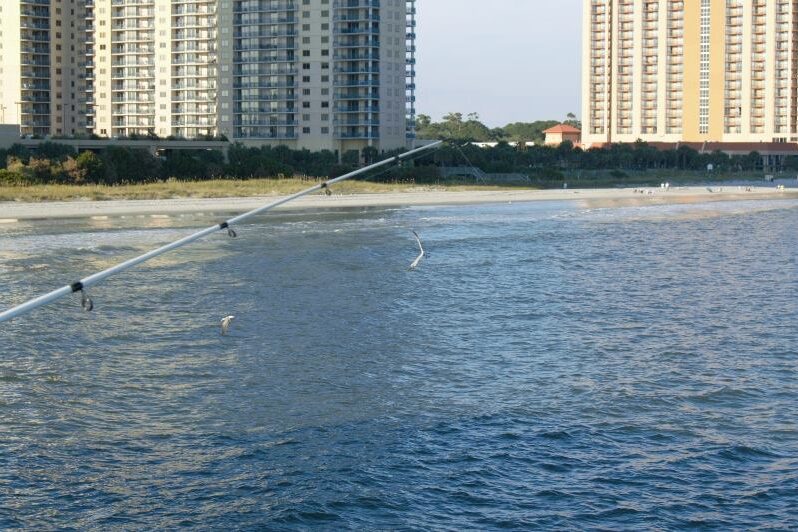
Fishing from the shore or a pier is a simple, low-pressure activity that helps kids slow down while learning basic outdoor skills. It works well for a range of ages, giving older kids a chance to practice casting and patience, while younger kids can help reel in or watch with curiosity.
What I like about fishing is how naturally it creates one-on-one time. There are no screens, no rushing, just waiting, watching, and talking while you see what happens. Even when nothing is caught, that sense of anticipation keeps kids surprisingly engaged.
Piers can be easier to manage with little ones because of railings and defined space, while shore fishing lets you stay close to your setup area. Both options work well depending on your comfort level and how much space you want to move around.
Keeping gear simple makes a big difference. A basic rod, a small amount of bait, and a focus on the experience rather than the outcome keeps it enjoyable for everyone. It is less about catching fish and more about being present in the moment.
Fishing also gives kids an early introduction to respecting wildlife and understanding how nature works, which adds value beyond just the activity itself.
Who Is Fishing From The Shore Or Pier Best For?
- Families wanting quieter bonding time together
- Older kids interested in learning new beach activities
- Early morning or sunset beach outings
- Multigenerational family beach trips
- Kids who enjoy wildlife and ocean exploration
Highlights:
- Calm, beginner-friendly activity for all ages
- Builds patience and basic outdoor skills
- Creates natural one-on-one time without distractions
- Works from shore or piers with different comfort levels
- Focuses on the experience rather than the catch
Snorkeling And Underwater Exploration
Snorkeling is a beginner-friendly beach activity that helps kids cool off while exploring marine life in shallow, clear water. Using simple gear like a mask, children can safely observe fish and build confidence while staying close to shore.
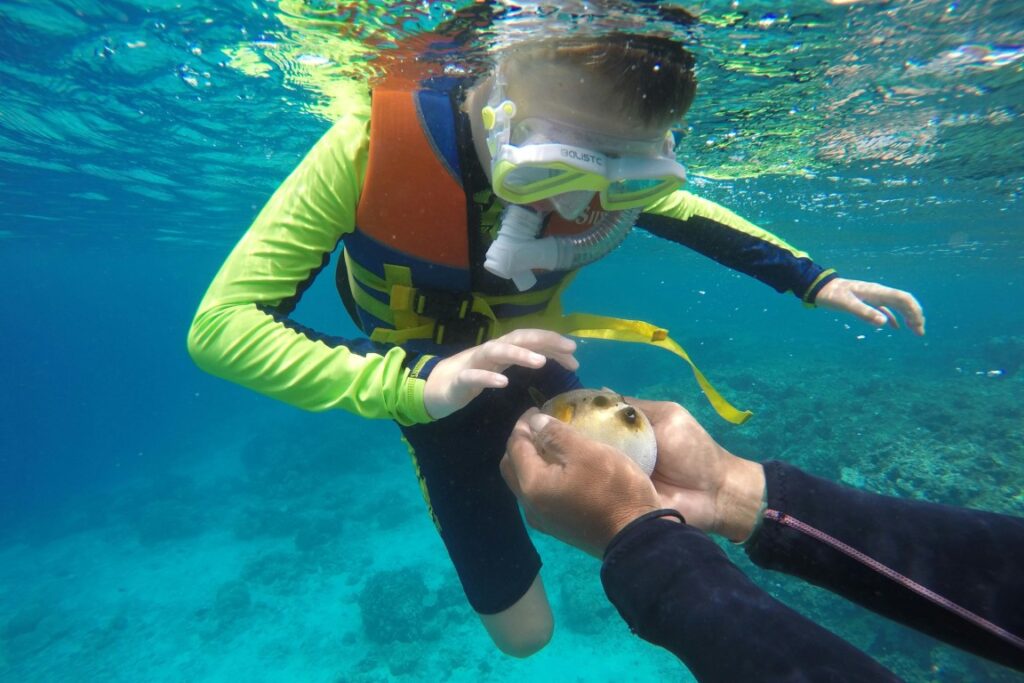
Snorkeling is a simple, beginner-friendly way to cool off while turning time in the water into a fun, exploratory activity. In calm, clear conditions, kids can use a mask to spot fish, shells, and other sea life right near the shoreline without needing to go into deep water.
What makes snorkeling stand out is how it shifts the experience from just swimming to discovering. Older kids often enjoy looking for and identifying sea life, while younger kids can stay nearby in shallow water, splashing and observing at their own pace with supervision.
Choosing the right conditions makes all the difference. Look for clear water with minimal waves and good visibility. Starting in shallow areas helps kids feel comfortable, and keeping sessions short keeps the experience positive and low-pressure.
It is also a great way to reset during hotter parts of the day. Instead of pushing through the heat, snorkeling gives everyone a chance to cool down while staying engaged. It adds a sense of adventure without needing any complicated setup or expensive excursions.
Who Is Snorkeling And Underwater Exploration Best For?
- Curious and adventurous kids
- Families with confident swimmers
- Older children and tweens
- Warm beach days with calmer water
- Kids interested in marine life and ocean discovery
Highlights
- Easy way to cool off while staying active
- Turns swimming into exploration and discovery
- Works best in shallow, calm, clear water
- Suitable for both younger and older kids
- Builds confidence through short, positive sessions
Building Sandcastles Together
Building sandcastles is a simple, family-friendly beach activity that uses wet sand to create structures like towers and moats. It encourages creativity and teamwork, keeps kids engaged, and requires no special equipment beyond basic beach items.
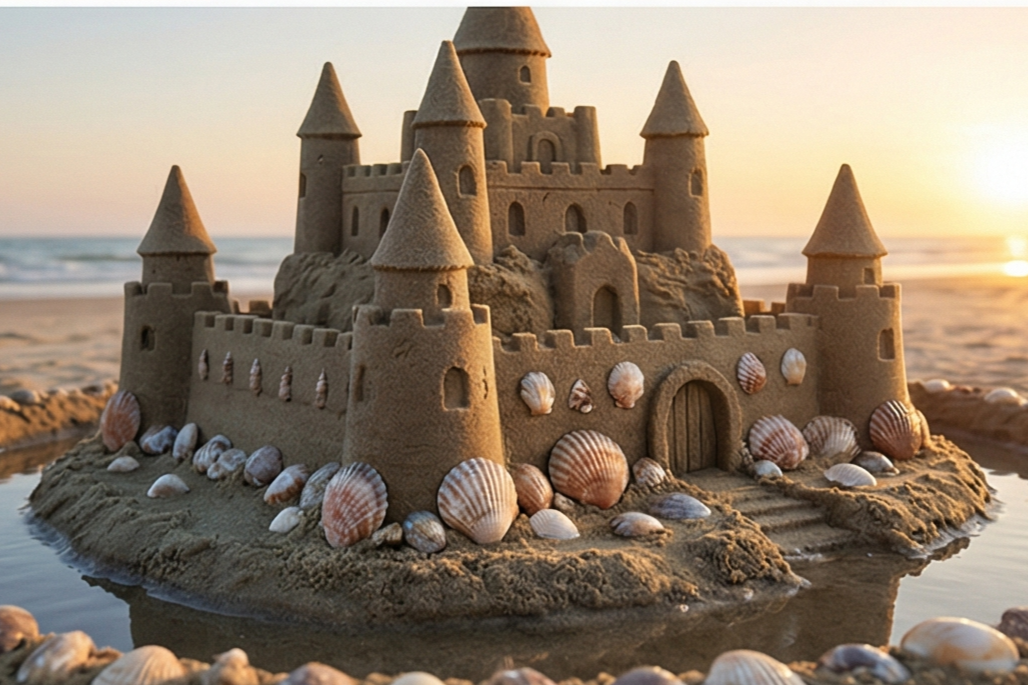
Building sandcastles is a simple, creative beach activity that keeps kids engaged while encouraging teamwork. Using wet sand near the shoreline, families can build structures like towers, moats, and walls without needing special tools or equipment.
What makes this activity work so well is how naturally it brings kids together. Older kids can take the lead on designing and shaping the structure, while younger kids can help by filling buckets, carrying water, or packing sand. Everyone has a role, which keeps it fun without turning it into a competition.
Over time, the focus often shifts from building to protecting. As the tide slowly rises, defending the sandcastle from the water becomes part of the game. That change adds excitement and keeps kids involved without needing to introduce something new.
For the best results, build with damp sand close to the waterline so it holds its shape better, but stay aware of incoming waves. Adding shells, small rocks, or driftwood can make the experience even more creative and personal.
It is one of those activities that holds attention longer than expected. Simple, hands-on, and easy to start, it gives kids a chance to slow down while still staying fully engaged.
Who Is Building Sandcastles Best For?
- Toddlers and younger children
- Families wanting slower-paced beach activities
- Creative kids who enjoy hands-on play
- Mixed-age family beach trips
- Relaxed afternoons near the shoreline
Highlights
- Creative, hands-on activity for all ages
- Encourages teamwork instead of competition
- Works best with wet sand near the shoreline
- Can include natural items like shells and driftwood
- Naturally builds on other activities like shell collecting
- Keeps kids focused for longer periods
Beach Scavenger Hunts & Shell Collecting
Beach scavenger hunts and shell collecting are simple activities that keep kids engaged by giving them specific items to find along the shoreline. They require no setup, work for different ages, and encourage observation while turning a walk into an interactive experience.
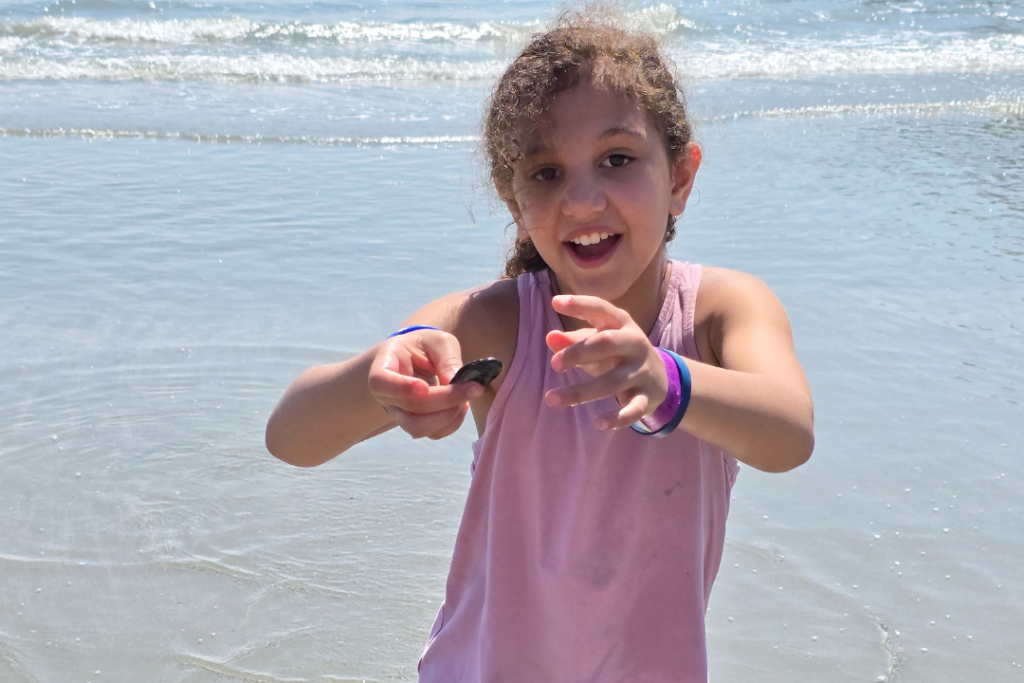
Beach scavenger hunts and shell collecting turn a simple walk along the shoreline into a focused, engaging activity. By giving kids specific things to look for, like certain shell types, colors, or textures, the entire beach becomes something to explore instead of just pass through.
What makes this work so well is how easy it is to adjust by age. Older kids can search for more specific items or patterns, while younger kids can look for simple things like colors or shapes. Everyone stays involved without needing separate activities.
You do not need to prepare anything ahead of time. A quick verbal list is enough to get started, which keeps it flexible and easy to adapt as you go. It works especially well during cooler parts of the day when kids have more energy to move and explore.
This activity also helps prevent boredom before it starts. Instead of waiting for kids to lose interest, you give them a purpose right away. That small shift keeps them engaged longer and makes the beach feel more interactive.
Who Are Beach Scavenger Hunts And Shell Collecting Best For?
- Curious kids who love exploring
- Toddlers and younger children
- Families wanting simple low-cost beach activities
- Nature-focused family beach days
- Kids who enjoy collecting shells and beach treasures
Highlights
- Turns shoreline walks into a focused activity
- Easy to adjust for different ages and abilities
- No prep or materials needed
- Encourages observation and movement
- Helps prevent boredom before it starts
Boogie Boarding And Body Surfing
Boogie boarding and body surfing are high-energy beach activities where kids ride small waves toward shore using a board or their body. They help build confidence, improve balance, and keep kids active while staying in shallow, manageable water.
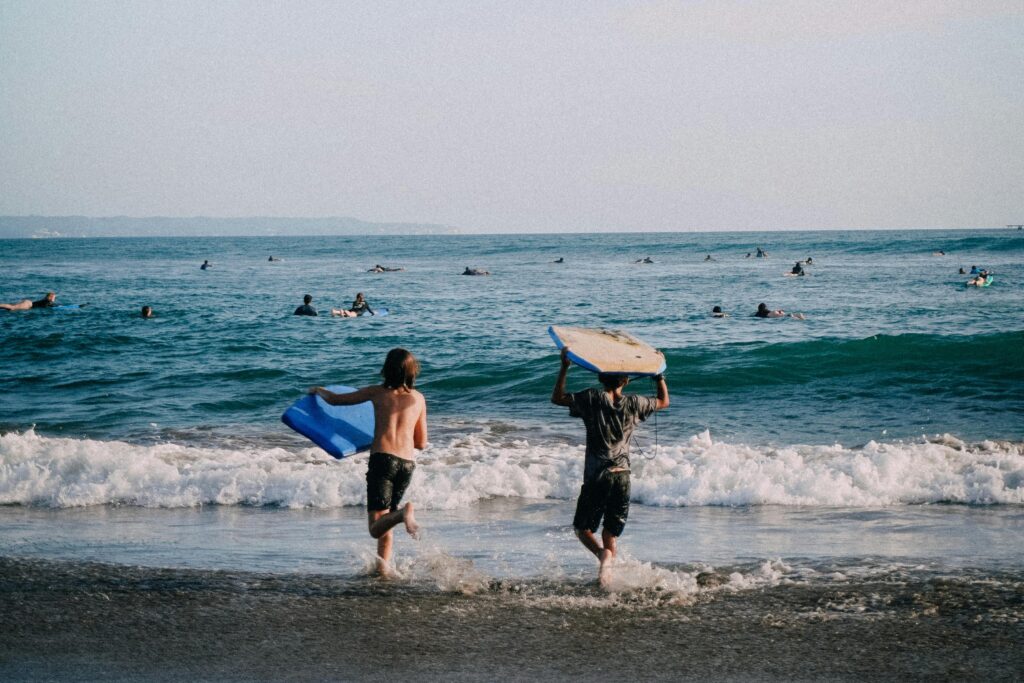
Boogie boarding and body surfing are high-energy beach activities that help kids burn off energy while building confidence in the water. Using small, gentle waves near the shoreline, kids can ride toward shore either on a board or using their bodies, making it easy to start without much setup.
What makes this activity work so well is how quickly kids get into it. Older kids often enjoy catching waves and improving their balance, while younger kids can stay at the water’s edge, playing and watching until they feel ready to join in.
Taking turns can make a big difference, especially when kids need a little extra support. Giving each child focused attention helps them feel more confident and keeps the experience positive.
For the best experience, choose areas with smaller, rolling waves and stay in shallow water where you can easily guide your child. Keeping sessions shorter helps prevent exhaustion while still giving them time to enjoy the activity.
It is one of the fastest ways to build confidence in the ocean. Even short rides feel like big wins, which keeps kids excited and wanting to try again.
Who Are Boogie Boarding And Body Surfing Best For?
- Active kids with lots of energy
- Older children and teens
- Families who enjoy wave play
- Beach days with stronger surf conditions
- Kids looking for more adventurous beach activities
Highlights
- High-energy activity that helps kids burn off energy
- Works best in shallow water with gentle waves
- Builds balance and confidence in the ocean
- Easy to start with little to no equipment
- Short sessions help keep it fun and manageable
Family Beach Picnics And Snack Breaks
A beach picnic provides a natural break that helps kids rest, refuel, and avoid meltdowns. Simple foods, shade, and a short pause in activity keep energy balanced and make the overall beach day more enjoyable.

A beach picnic is more than just a time to eat. It is a natural reset that helps the entire day stay balanced. Kids, especially younger ones, can go from happy to overwhelmed quickly, and having a planned break helps prevent that shift before it happens.
Simple, ready-to-eat foods work best so you are not dealing with extra cleanup or setup. When everything is easy to grab and eat, the focus stays on resting and recharging instead of managing the meal.
Shade makes a big difference here. Sitting under an umbrella or beach tent gives everyone a chance to cool off, slow down, and take a real break from the sun and activity.
This is also a great moment to reconnect. Talking about what the kids have enjoyed so far or what they want to do next keeps them engaged and helps guide the rest of the day without forcing a plan.
A short, intentional break like this keeps energy steady, prevents meltdowns, and makes the entire beach day feel smoother from start to finish.
Who Are Family Beach Picnics And Snack Breaks Best For?
- Families planning longer beach days
- Parents with toddlers or younger kids
- Midday rest and cooldown breaks
- Families wanting slower moments together
- Avoiding overtired beach meltdowns
Highlights
- Creates a natural reset point during the day
- Helps prevent hunger and overstimulation meltdowns
- Simple foods keep things low effort and easy
- Shade allows everyone to cool down and recharge
- Keeps energy steady for the rest of the day
If you want easy ideas that actually hold up at the beach, take a look at our go-to snacks and simple meals that keep kids happy without the extra work.
Flying Kites In The Afternoon Breeze
Flying kites at the beach is a simple, engaging activity that uses afternoon breezes to keep kids active. It works well for all ages, encourages teamwork, and is a great alternative when swimming conditions are not ideal.
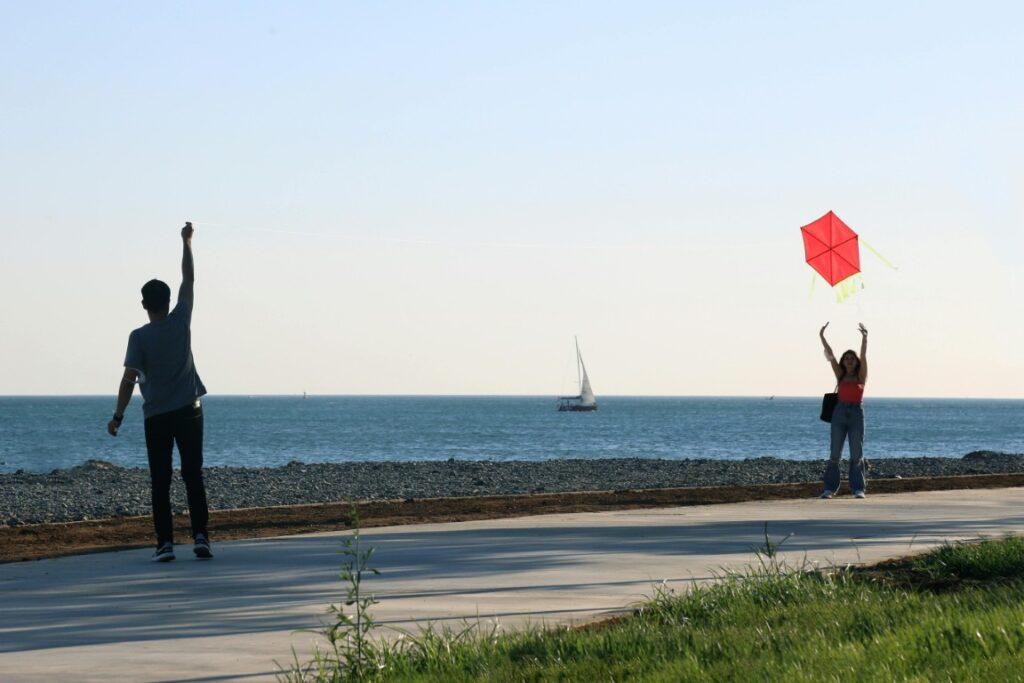
Afternoon breezes create the perfect conditions for kite flying, especially on wide, open beaches where kids have plenty of room to move safely. It is an easy way to stay active without needing to be in the water.
Older kids can take the lead holding the string and guiding the kite, while younger kids run underneath, watching it lift and move through the sky. Everyone stays involved, just in different ways.
This is also a great option when swimming is not ideal due to stronger winds or rougher waves. Instead of working against the conditions, you are using them to your advantage.
What makes kite flying work so well is how naturally it keeps kids engaged. Watching the kite climb higher, adjusting to the wind, and working together to keep it steady turns a simple activity into something that holds their attention longer than expected.
Who Is Flying Kites In The Afternoon Breeze Best For?
- Families wanting easy beach entertainment
- Younger kids and mixed-age families
- Windier beach afternoons
- Relaxed family beach pacing
- Parents looking for simple screen-free activities
Highlights
- Perfect for breezy beach conditions
- Great alternative when swimming is not ideal
- Works well for both younger and older kids
- Encourages coordination and teamwork
- Keeps kids active without feeling chaotic
Beach Obstacle Courses & Relay Races
Beach obstacle courses and relay races are easy, high-energy activities that use simple items like towels and buckets to keep kids active. They can be adjusted for all ages and help promote teamwork while preventing restlessness.
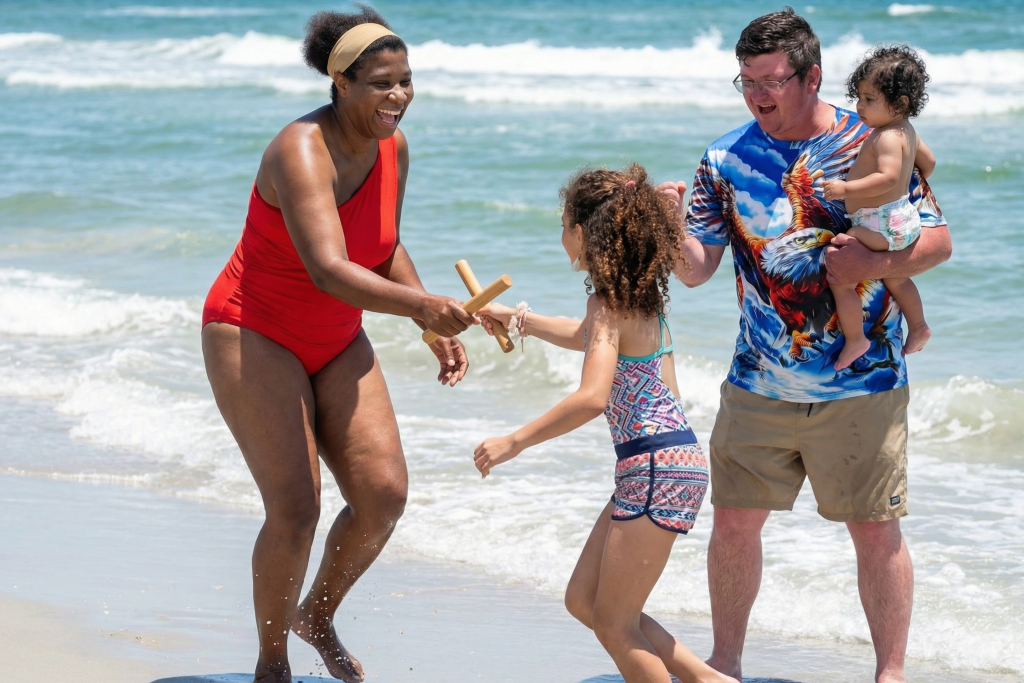
Beach obstacle courses and relay races are a simple way to burn off energy while keeping kids engaged and working together. Using what you already have like towels, buckets, or even natural landmarks, you can create a fun course without any setup stress.
Older kids can help design the course, which gives them a sense of ownership and keeps them invested. Younger kids can join in on shorter or simpler sections, so everyone stays included without feeling overwhelmed.
You can easily adjust the difficulty based on age and energy levels. Running, hopping, crawling, or carrying small items keeps things interesting and adds variety without needing to explain much.
This works especially well later in the day when kids start getting restless. It gives them a clear outlet for their energy while keeping the mood fun and playful.
Who Are Beach Obstacle Courses And Relay Races Best For?
- High-energy kids
- Sibling group activities
- Large family beach trips
- Beach days needing movement and laughter
- Kids who enjoy teamwork and friendly competition
Highlights
- High-energy activity that helps burn off excess energy
- Easy to create using items you already have
- Adjustable for different ages and abilities
- Encourages teamwork and creativity
- Great for preventing late-day restlessness
Exploring Tide Pools And Rock Areas
Exploring tide pools and rock areas allows kids to discover small marine life in shallow water during low tide. It encourages curiosity, teaches respect for wildlife, and provides a calm, educational beach activity for all ages.
Exploring tide pools and rock areas turns the beach into a hands-on learning experience. During lower tides, shallow pools form and reveal small sea life like crabs, tiny fish, and unique shells, giving kids something new to discover with every step.
Older kids often enjoy searching and identifying what they find, while younger kids can safely splash and explore in the shallow water with close supervision. It keeps everyone engaged at their own level without needing separate activities.
What makes this especially valuable is the slower pace. Kids naturally pause, look closer, and become more aware of their surroundings. It is a great opportunity to teach them to observe wildlife respectfully without disturbing it.
Timing matters here. Visiting during low tide gives you the best chance to see exposed pools and marine life, making the experience more rewarding without extra effort.
Even short exploration sessions feel meaningful, adding a mix of learning and fun that breaks up the usual beach routine.
Who Is Exploring Tide Pools And Rock Areas Best For?
- Curious kids who enjoy discovery
- Toddlers with close supervision
- Families wanting educational beach activities
- Slower-paced shoreline exploration
- Kids interested in shells and sea creatures
Highlights
- Turns the beach into a hands-on learning experience
- Best during low tide when pools are exposed
- Encourages curiosity and observation
- Works for both younger and older kids
- Teaches respect for marine life
Sunset Walks Along The Shore
Sunset walks along the shore provide a calm way to end a beach day, helping kids wind down while creating opportunities for connection, conversation, and simple family moments without needing any equipment.
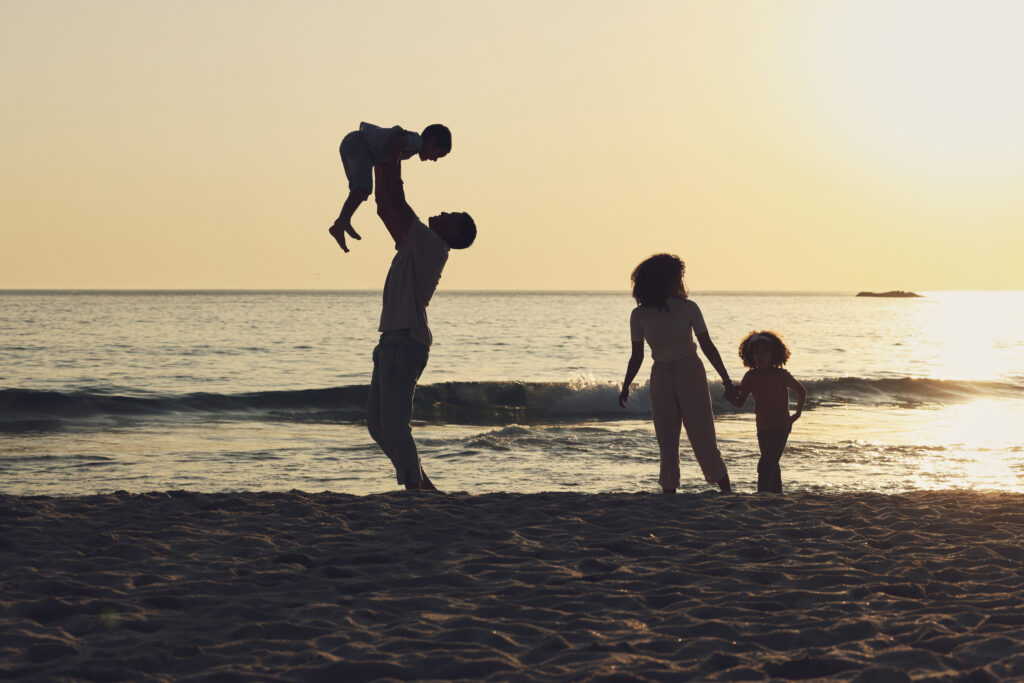
Sunset walks along the shore bring a different pace to your beach day. As the air cools and the crowds thin out, kids naturally begin to slow down, making it one of the easiest times to connect without distractions.
Older kids often open up more in these quieter moments, while younger kids stay busy collecting shells, watching the water, or simply walking alongside you. It is simple, but it holds their attention in a calm and natural way.
The lighting at sunset also makes everything feel a little more special. It is a great time for family photos, but it also gives the day a clear and relaxed ending instead of stopping abruptly.
You do not need to plan anything here. Just walk, talk, and let the moment unfold. That simplicity is what makes it memorable and something your family will naturally want to repeat.
Who Are Sunset Walks Along The Shore Best For?
- Families wanting calm evening activities
- Slowing down after busy beach days
- Multigenerational beach vacations
- Parents wanting quiet family moments
- Creating simple summer memories together
Highlights
- Creates a calm, natural ending to the beach day
- Encourages conversation and connection
- Works for all ages with no setup required
- Perfect timing for family photos
- Easy to turn into a lasting family tradition
FAQ – Family-Friendly Beach Activities For Summer
What are the best family-friendly beach activities for summer?
The best family-friendly beach activities for summer combine movement, creativity, and relaxation. Sandcastle building, boogie boarding, scavenger hunts, beach relay races, and sunset walks are all great options. These activities keep kids engaged while allowing parents to enjoy the experience too. The key is choosing activities that fit your family’s pace and the beach conditions. For more ideas, click here checkout our Beach Activities Hub Page.
How do I keep kids entertained at the beach all day?
Rotate between active play and quieter moments. Start with high-energy activities like swimming or relay races, then shift to sand art or shell collecting. Taking breaks for snacks and shade helps prevent burnout. Variety keeps the day fresh and prevents boredom.
What beach activities work for multiple age groups?
Sandcastle competitions, scavenger hunts, and kite flying work well for toddlers, elementary-age kids, and even teens. You can adjust the difficulty level depending on age. For example, younger kids can search for simple items while older kids look for more specific challenges. Team-based games also help bridge age gaps.
Are there beach activities that do not require special equipment?
Yes. Many memorable beach activities require little to no equipment. Shell collecting, sand drawing, relay races, and shoreline walks can all be done without extra gear. Even simple bucket-and-shovel play can turn into hours of entertainment.
How can we make beach activities more educational without making them feel like school?
Focus on exploration rather than instruction. Tide pool visits, observing marine life, and identifying different shells naturally spark curiosity. Encourage kids to ask questions and notice details. Learning happens organically when kids are engaged and excited.
What are safe beach activities for younger children?
Shallow water play under close supervision, sand digging, and shoreline shell collecting are great for toddlers. Setting up near lifeguard stations when available adds another layer of safety. Short activity bursts work better than long sessions. Always prioritize supervision and awareness of changing tides. For more tips on keeping toddlers and kids safe at the beach, checkout our safety guide here.
How do we balance fun with rest during a beach day?
Alternate between energetic play and calm activities like picnics or sunset walks. Create natural pauses in the day for hydration and shade. Planning flexible activity blocks instead of rigid schedules helps everyone feel relaxed. A balanced rhythm makes summer beach days more enjoyable.
What makes a beach activity memorable for families?
The most memorable beach activities often involve connection. Working together on a sandcastle, cheering during a relay race, or watching the sunset side by side creates lasting impressions. It is not about complexity or cost. It is about shared moments that feel meaningful and fun.
Things To Know Before Starting Beach Activities With Kids
A little preparation can make beach activities feel much smoother, especially when you are spending long hours outside with toddlers, older kids, or a mix of both. The goal is not to plan every second of the day. It is simply to make things easier once everyone is sandy, tired, hungry, and fully committed to staying “just five more minutes.” 🌊
- Start with higher-energy beach activities earlier in the day before the heat and exhaustion start catching up with everyone.
- Bring more water and snacks than you think your family will need. Beach activities tend to burn through kids’ energy much faster than expected.
- Simple activities usually work best. Kids often stay engaged longer with shell collecting, wave play, scavenger hunts, and sandcastle building than overly structured games.
- Keep a mix of active and slower-paced activities ready throughout the day. Alternating between movement and calmer moments helps prevent kids from getting overtired too quickly.
- Some beach activities naturally work better during certain parts of the day. Flying kites often works best in the afternoon breeze, while tide pool exploration is usually easier during lower tide periods.
- Younger kids may need more breaks from direct sunlight, especially during midday hours when sand and temperatures become much hotter.
- Bringing a small mesh bag or bucket for shells, beach toys, and scavenger hunt finds helps keep activities organized without carrying extra clutter.
- Not every activity needs to last a long time. Sometimes 15 or 20 minutes of excitement is enough before kids naturally move on to something else.
- The best family beach activities are often the ones that happen naturally. Some of the most memorable moments come from slowing down, exploring the shoreline together, and letting kids enjoy the beach at their own pace.
The Best Beach Days Usually Start Simple
The beach does not need to be packed with plans to be meaningful. The moments your kids remember are usually the simple ones. Running through the water, finding a shell they want to keep forever, laughing when a wave catches them off guard, or walking together as the sun goes down.
What makes the difference is not doing everything. It is having just enough ideas in your back pocket to keep the day moving without forcing it.
Some days will be high energy. Some will be slower. Some will surprise you. When you give your kids a mix of freedom, structure, and simple activities to fall back on, the whole experience feels easier and more enjoyable for everyone.
That is how you turn a regular beach trip into a summer your family actually remembers.
Take The Guesswork Out Of Your Next Beach Day
If you want your beach days to feel this smooth without having to think through every detail each time, I put together something to help.
The Ultimate Family Beach Trip Planner + Packing Checklist walks you through exactly how to:
- Choose the right beach for your family
- Pack without forgetting the things that actually matter
- Plan your day so it flows instead of feeling chaotic
- Keep kids happy, fed, and engaged from start to finish
It is designed for real families, real kids, and real beach days.
Keep Planning Your Best Beach Days
If you are building out your next trip or just want more simple ideas that actually work with kids, these guides will help:
- 👉🏾 How To Plan The Perfect Family Beach Day This Summer
- 👉🏾 Family-Friendly Beach Water Sports To Try With Kids
- 👉🏾 Beach-Friendly Snacks And Meals For Toddlers And Kids
Each one is made to help you spend less time figuring things out and more time actually enjoying the beach with your family.
Save this for your next beach trip so you always have easy, go-to ideas that keep your kids happy and your day running smoothly.
Because the goal is not just getting through the day…
It is enjoying it right alongside them.
I really enjoyed how you balanced practicality with intention here. You did not just list activities, you explained why each one works developmentally and relationally, especially when managing both toddlers and older kids. I appreciate how often you return to rhythm: high energy followed by reset, exploration followed by connection. That pacing insight alone can save a parent’s sanity. I’m curious, have you found certain activities work better at specific times of day depending on temperament (for example, high-sensory kids versus more cautious ones)?
I also like that you consistently emphasized simplicity over overplanning. The reminder that memorable moments are built through connection rather than cost or complexity feels grounding. It made me think about how many beach meltdowns actually come from lack of transitions rather than lack of entertainment. Have you ever experimented with giving kids small “roles” during the day, like navigator, safety watcher, or tide tracker, to deepen that sense of shared ownership?
Hi Iris,
This is such a thoughtful reflection. You really picked up on the rhythm behind the day, and you are absolutely right, pacing can make all the difference between a smooth beach day and one that feels overwhelming.
I have definitely noticed that timing matters a lot, especially depending on temperament. In the morning, most kids tend to be more open and regulated, so that is when higher energy or sensory activities work best, things like wave jumping, exploring tide pools, or running games.
As the day goes on and stimulation builds, I like to shift into calmer activities like sand play, snack breaks, or even just sitting together watching the water. That “reset” window is huge, especially for high-sensory kids who can get overstimulated more quickly. More cautious kids often warm up slowly, so giving them space to observe first, then gently join in, works really well.
What you said about meltdowns coming from lack of transitions is so true. It is rarely about boredom. It is usually about being pushed too far without a pause.
And I love your idea about giving kids roles. We do this in a very natural way without always naming it. One of my kids is usually in charge of “watching the waves” and letting us know when a big one is coming, while another might carry snacks or help pick the spot for setup. It gives them a sense of ownership and keeps them engaged in a meaningful way. I might start naming those roles more intentionally now because I can see how that would make it even more fun and structured.
You shared some really insightful ideas here.
Thank you for your lovely comment and sharing your thoughts,
Marlinda
Very nice article. We may be using some ideas here this year. We still haven’t decided on whether we are going to Corpus Christy or to Durango Colorado this year. One trip will be for this year and the other trip will be for next year so either way, we can use some information here during one of our vacation.
MAC
Awesome! Thanks for sharing your plans and thoughts. I’m glad you found value in this post and hope whichever ya’ll decide, you enjoy your vacation to the fullest! 🙂
Marlinda
Hello Marlinda,
Reading this honestly made me smile because beach days with family are some of my favorite memories. There’s just something about sand, waves, and a bunch of kids running around that instantly feels like summer. I like how your ideas focus onsimple activities that don’t need a ton of planning or gear.
Things like games in the sand or jumping waves are the kinds of moments kids remember years later, even if they seem small at the time. Simple beach activities like sandcastle building, wave jumping, or relay races tend to work for all ages and keep everyone involved without needing much equipment.
What really stood out to me is how these activities encourage families to actually play together instead of just sitting on towels watching the kids. It feels like the kind of beach day where everyone ends up laughing and getting sandy, which is honestly the best kind.
Do you have one beach activity that your own family always ends up doing every single trip, even if you planned other things? I feel like every family develops that one little tradition without even realizing it.
Angela M 🙂
Hi Angela,
This comment made me smile right back at you. You described beach days exactly how they feel when everything comes together, a little messy, a lot of laughter, and those simple moments that stick with you long after the trip is over.
I love what you said about families actually playing together. That really is the difference between a good beach day and one everyone talks about later. The sand, the water, and a little imagination go a long way.
For our family, one thing we always end up doing is wave jumping together. It usually starts with the kids, then somehow turns into all of us timing the waves, laughing, and trying to outdo each other. It is simple, but it never gets old.
We also tend to drift into building something in the sand, even if we did not plan to, whether it is a sandcastle or just digging a giant hole that somehow becomes “the project” for the day.
You are so right, those little traditions just form on their own.
Now I have to ask, what is that one activity your family always ends up doing, no matter what you planned going in?
This was such a fun and genuinely helpful read. I love how you focused on simple activities that actually work for families with kids of different ages — not just Pinterest‑perfect ideas that fall apart in real life. The balance of movement, creativity, and calm moments felt so thoughtful. I especially appreciated the reminders about building in breaks and letting the day flow with your family’s natural rhythm. It made the whole idea of planning a beach day feel lighter, more intentional, and way less overwhelming. Thank you for putting this together!
Hi Kiersti,
Thank you so much for this thoughtful comment. It truly means a lot. I love how you described it as “real-life” beach ideas, because that was exactly the goal. Beach days with kids rarely go perfectly according to plan, and that is part of the experience.
I am really glad the balance of movement, creativity, and quiet moments stood out to you. Giving kids space to play, rest, and just be in the moment can make the whole day feel more enjoyable for everyone. Sometimes the best memories come from the simplest things.
Your note about letting the day flow is so important. When we stop trying to control every detail, beach days tend to feel lighter and more fun.
Do you have a go-to beach activity your family always comes back to? I always love hearing what works well for other families.