


There’s something about a beach day that brings out the kid in all of us. The moment your feet touch the sand, the world just slows down. Kids run with excitement, parents breathe a little deeper, and the sound of the waves feels like a reset button.
But along with all that joy comes the quiet mental checklist every parent carries as the reality of trying to figure out how to keep kids safe at the beach sinks in. Things scurry through your mind like:
Are we close enough to the kids?
Is the tide changing?
Did we remember to reapply sunscreen?
The good news is that beach safety doesn’t have to take away from the experience. In fact, when you feel prepared, it’s easier to relax and enjoy the day. Instead of constantly worrying about what might happen, you can focus on making memories with your family while knowing you’ve taken simple steps to help keep everyone safe.
As a parent, I’ve learned that most beach safety isn’t about reacting to emergencies. It’s about building small habits that become part of your family’s routine, like choosing a safe place to set up, staying aware of changing conditions, and keeping everyone comfortable throughout the day.
This guide shares practical tips to help you keep your kids safe while enjoying the beach, so your family can spend less time worrying and more time making memories together.
Beach Safety Disclaimer: This guide shares general beach safety information for educational purposes only and is not a substitute for professional advice. Always supervise children closely, follow local beach rules, posted warnings, and lifeguard instructions, and use your own judgment based on current conditions and your family’s abilities.
TL;DR: How To Keep Kids Safe At the Beach
Keeping kids safe at the beach doesn’t have to be stressful. A few simple habits, like staying within arm’s reach near the water, choosing family-friendly beaches, protecting against the sun, keeping everyone hydrated, and teaching basic beach safety, can make a big difference. With a little preparation and ongoing awareness, you can spend less time worrying and more time enjoying a fun, relaxing beach day with your family.
10 Ways to Keep Kids Safe While Enjoying the Beach
- Stay Within Arm’s Reach Near the Water: The Golden Rule of Beach Parenting
- Choose Beaches With Calm, Kid-Friendly Conditions
- Sun Protection Is Part of Beach Safety
- Keep Hydration and Snacks Close: Safety Starts With Energy
- Teach Kids Simple Ocean Awareness: Empower Them Without Fear
- Dress Kids in Bright Swimwear to Keep Them Visible
- Pack a Small Safety Kit: A Little Preparedness Goes a Long Way
- Set Expectations Before Play Starts: Keep It Simple
- Pay Attention to Flags, Weather, and Water Conditions
- Recognize When It’s Time to Call It a Day
Beach Safety Tips for Kids
| Beach Safety Tip | Why It Matters | Quick Action |
|---|---|---|
| Stay Within Arm’s Reach Near the Water: The Golden Rule of Beach Parenting | Young children can get into dangerous situations within seconds, even in shallow water. | Stay within arm’s reach whenever kids are in or near the water. |
| Choose Beaches With Calm, Kid-Friendly Conditions | Calm water and family-friendly beaches make it easier to supervise children safely. | Research beaches ahead of time and choose ones with gentle conditions and lifeguards when possible. |
| Sun Protection Is Part of Beach Safety | Too much sun can lead to painful burns, dehydration, and heat-related illness. | Apply sunscreen regularly, wear protective clothing, and take shade breaks. |
| Keep Hydration and Snacks Close: Safety Starts With Energy | Staying hydrated and fueled helps prevent fatigue, overheating, and cranky meltdowns. | Bring plenty of water and easy-to-eat snacks for the whole family. |
| Teach Kids Simple Ocean Awareness: Empower Them Without Fear | Teaching basic safety helps children make smarter choices while building confidence. | Explain simple rules about waves, currents, and asking before entering the water. |
| Dress Kids in Bright Swimwear to Keep Them Visible | Bright colors make children easier to spot in the water and on crowded beaches. | Choose highly visible swimwear in bright neon colors whenever possible. |
| Pack a Small Safety Kit: A Little Preparedness Goes a Long Way | Having basic first aid and emergency supplies nearby allows you to handle minor issues quickly. | Pack sunscreen, bandages, antiseptic wipes, tweezers, vinegar, and any necessary medications. |
| Set Expectations Before Play Starts: Keep It Simple | Clear rules reduce confusion and help kids know what to do before problems arise. | Review a few simple beach safety rules before anyone starts playing. |
| Pay Attention to Flags, Weather, and Water Conditions | Beach conditions can change quickly, even during a short visit. | Check warning flags, weather forecasts, and changing surf throughout the day. |
| Recognize When It’s Time to Call It a Day | Most accidents happen when children become tired, overheated, or lose focus. | Head home or take a break before exhaustion, hunger, or changing conditions create unnecessary risks. |
Stay Within Arm’s Reach Near the Water: The Golden Rule of Beach Parenting
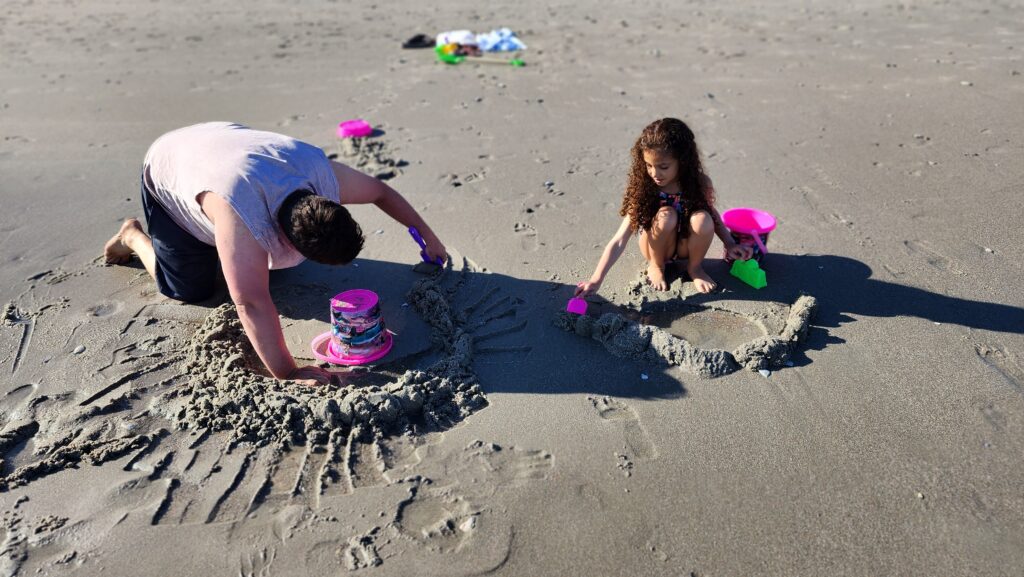
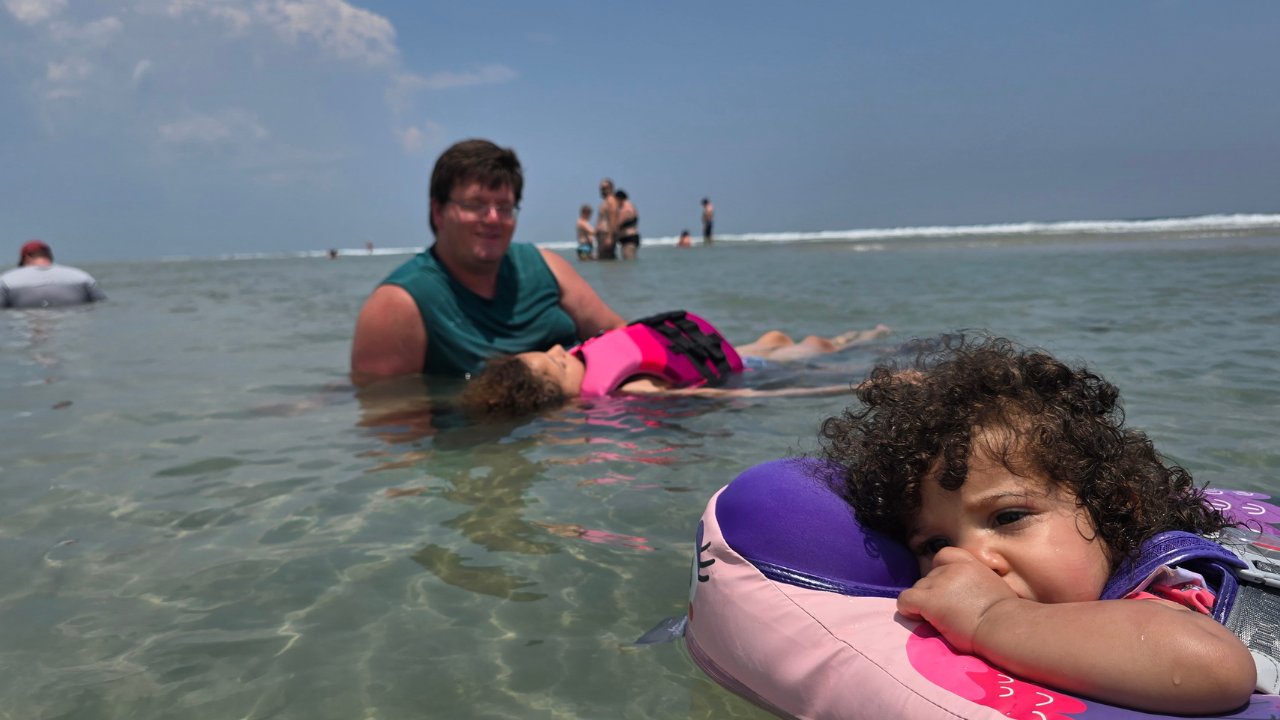
The safest place for young children at the beach is within arm’s reach of a trusted adult whenever they’re in or near the water. Even shallow water and small waves can become dangerous in seconds, so staying close is one of the simplest and most effective ways to help keep kids safe.
How close should I stay to my child at the beach?
For babies, toddlers, and young children, stay within arm’s reach whenever they’re in or near the water. As children get older and become stronger swimmers, they may be able to enjoy more independence, but they should always remain under active supervision and within clear sight.
No matter how confident your child is in the water, the ocean deserves respect. Waves can become stronger without warning, currents can shift, and even experienced swimmers can lose their footing. Kids are often focused on having fun, which means they may not notice changing conditions until it’s too late.
I’ve found that staying close doesn’t take away from the fun. In fact, it lets my kids explore with confidence because they know I’m right there if they need me. Whether we’re jumping over waves together, collecting shells near the shoreline, or simply splashing in the surf, being close helps everyone relax and enjoy the experience.
Staying nearby also allows you to respond immediately if your child slips, gets knocked over by a wave, or becomes frightened. Those first few seconds matter, and being within reach can make all the difference.
Why This Matters
Most water-related emergencies involving young children happen quickly and quietly. Staying within arm’s reach gives you the best opportunity to react immediately while also helping your child build healthy respect for the ocean.
Keep It Simple
For young children, the easiest rule to remember is this: if they’re in the water, you should be close enough to reach them without taking a step.
✅Fun Shores Ahead Tip
When my family visits the beach, one adult is always focused on the child in the water. If another adult is taking over, we make it clear by saying, “I’ve got her,” before the other person steps away. It only takes a few seconds, but it helps prevent those moments when everyone assumes someone else is watching.
Choose Beaches With Calm, Kid-Friendly Conditions
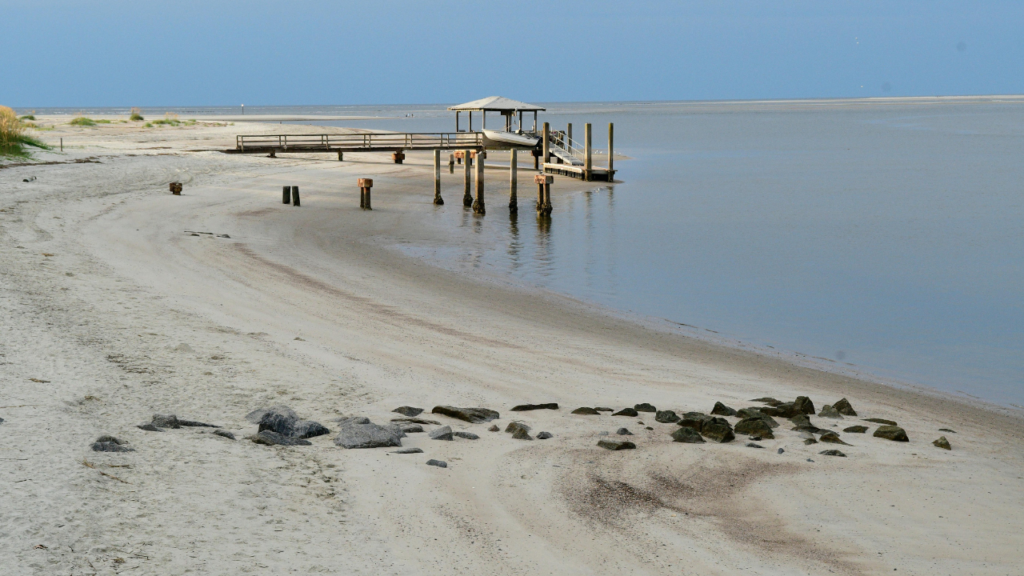
Choosing the right beach is one of the easiest ways to help keep kids safe. Beaches with gentle waves, gradual shorelines, lifeguards, and designated swimming areas provide a more relaxed environment where families can enjoy the water with greater peace of mind.
What makes a beach safer for kids?
The best beaches for families typically have calm water, a gradual entry into the ocean, lifeguards when available, clearly marked swimming areas, and posted safety information. These features make it easier to supervise children and respond to changing conditions.
Not every beach is the same, even within the same destination. One stretch of coastline may have gentle waves that are perfect for young children, while another nearby beach could have stronger surf, rip currents, or sudden drop-offs.
Before heading out, take a few minutes to research the beach and check current conditions. Look for features like lifeguards, designated swimming areas, calm water, and family-friendly amenities. When you arrive, spend a few moments observing the shoreline before everyone rushes into the water.
I’ve found that family-friendly beaches often feel different as soon as you arrive. You’ll usually see parents comfortably supervising their kids, children playing near the shoreline, and beach conditions that encourage families to relax and enjoy the day together.
Why This Matters
Choosing a beach that’s suited to your family’s ages and swimming abilities reduces many of the risks before your beach day even begins. A safer environment makes supervision easier and helps everyone enjoy the experience with less stress.
Keep It Simple
Choose a beach that’s appropriate for your youngest child, not your strongest swimmer.
✅Fun Shores Ahead Tip
If you’re planning a family beach vacation and aren’t sure where to go, check out our Top 10 Beach Town Recommendations for Kids to discover destinations known for family-friendly beaches, calmer water, and activities children of all ages can enjoy.
Sun Protection Is Part of Beach Safety
Protecting kids from the sun is an essential part of beach safety. A combination of sunscreen, protective clothing, shade, and regular hydration helps prevent sunburn, heat-related illness, and dehydration so your family can enjoy a safer, more comfortable day at the beach.

How can I protect my kids from the sun at the beach?
Apply a broad-spectrum sunscreen before heading onto the sand, reapply it at least every two hours and after swimming or heavy sweating, and combine it with UV-protective clothing, hats, sunglasses, and plenty of shade whenever possible.
A little preparation goes a long way. I’ve learned that it’s much easier to apply sunscreen before the excitement of the beach takes over. Once my kids see the ocean, they’re ready to run, splash, and play, making sunscreen a much bigger challenge.
Sun protection works best when you layer it. Sunscreen is important, but adding UV shirts, wide-brimmed hats, sunglasses, and a beach umbrella or sun shelter provides even better protection throughout the day.
Keeping all of your sun care supplies together in one dedicated pouch also makes life easier. Beach days move quickly, and having sunscreen, lip balm, and after-sun essentials in one place means you can reapply quickly without digging through an overstuffed beach bag.
Why This Matters
Sunburn, overheating, and dehydration can quickly turn a fun beach day into an early trip home. Building simple sun protection habits helps keep kids comfortable while reducing the risk of heat-related illnesses and long-term sun damage.
Keep It Simple
Apply sunscreen before leaving for the beach, reapply it regularly throughout the day, and don’t rely on sunscreen alone. Shade and protective clothing are just as important.
✅Fun Shores Ahead Tip
Want to learn more about protecting your family from the sun? Check out our Sun Protection Tips for Families at the Beach for practical advice on choosing sunscreen, staying cool, and enjoying longer beach days safely.
Keep Hydration and Snacks Close: Safety Starts With Energy
Keeping kids hydrated and well-fed is an important part of beach safety. The combination of sun, heat, saltwater, and constant activity can cause children to become dehydrated or tired more quickly than usual, making regular water and snack breaks essential.

How often should kids drink water at the beach?
Encourage children to drink water regularly throughout the day, even if they don’t say they’re thirsty. Offering small drinks and healthy snacks during breaks helps replace fluids and maintain their energy while they play.
The beach is full of excitement, and kids often become so focused on having fun that they forget to drink or eat. Before you know it, a happy afternoon can turn into an exhausted, cranky child who simply needs water and a snack.
Watch for early signs of dehydration or overheating, including irritability, fatigue, dizziness, headaches, or unusual tiredness. Taking a short break in the shade with water and a light snack can often help your child recharge before heading back out to play.
I’ve found that packing a small cooler with cold water, fresh fruit, and easy-to-eat snacks makes a huge difference. Reusable water bottles also make it easy to encourage regular drinking while helping you keep track of how much everyone has had throughout the day.
Why This Matters
Proper hydration and nutrition help children stay alert, maintain their energy, and regulate their body temperature. Preventing dehydration and overheating is much easier than treating them once symptoms begin.
Keep It Simple
Offer water and snacks before your kids ask for them. Regular breaks throughout the day help prevent dehydration, overheating, and energy crashes.
✅Fun Shores Ahead Tip
Pack enough water for everyone in the family, plus a little extra. Having more water than you think you’ll need is much better than running out on a hot beach day.If you’re looking for snack ideas, checkout this recipe!
Teach Kids Simple Ocean Awareness: Empower Them Without Fear
Teaching kids a few simple ocean safety rules helps them enjoy the beach more safely. Age-appropriate guidance builds awareness, encourages good decision-making, and helps children develop a healthy respect for the ocean without making it feel scary.
What should kids know before going into the ocean?
Children should understand a few simple safety rules, such as staying with the family, never turning their back on the waves, knowing how deep they’re allowed to go, and returning immediately when an adult calls them.
Kids understand more than we sometimes realize, especially when safety is explained in a calm, positive way. Instead of focusing on what could go wrong, teach them simple habits they can remember every time they visit the beach.
Some easy rules include:
- Never turn your back on the waves.
- Stay with your family at all times.
- Always know where your beach setup is.
- Only go as deep as you’ve been allowed.
- Come back immediately when an adult calls you.
I’ve found that having these conversations before anyone gets in the water makes a big difference. When expectations are clear, kids spend less time guessing what they’re allowed to do and more time confidently enjoying the beach.
Why This Matters
Teaching children basic ocean awareness helps them recognize potential hazards, listen for instructions, and make safer choices as they grow. It also creates opportunities to build confidence through knowledge instead of fear.
Keep It Simple
Teach a few easy-to-remember rules before every beach trip. Children are much more likely to remember five simple safety habits than a long list of instructions.
✅Fun Shores Ahead Tip
Turn beach safety into a fun family routine by reviewing your “beach rules” together before anyone heads into the water. It only takes a minute, and it helps everyone start the day on the same page.
Dress Kids in Bright Swimwear to Keep Them Visible
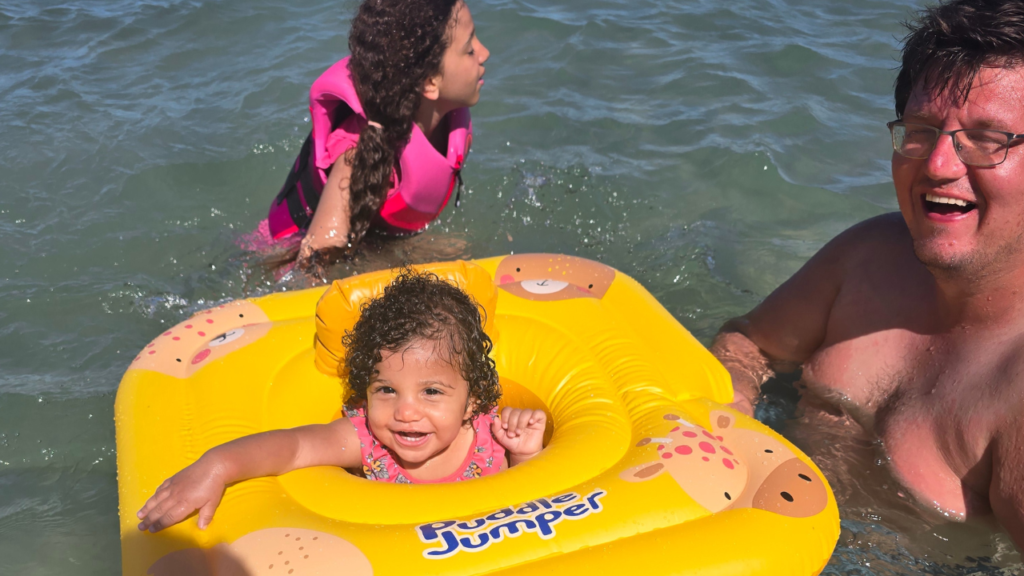
Bright, highly visible swimwear makes it easier to keep track of children in the water and on crowded beaches. Choosing neon colors instead of blues, grays, or darker shades can help parents spot their kids more quickly when every second counts.
What color swimwear is easiest to see at the beach?
Bright neon colors such as yellow, orange, pink, and green are generally the easiest to spot in the water and against the sand. Darker colors and shades of blue can blend into the water, making children harder to see.
It may seem like a small detail, but choosing the right swimsuit color can make a big difference during a busy beach day. Bright colors naturally stand out against the ocean, sand, crowds, and play areas, making it easier to find your child with a quick glance.
If you have more than one child, consider assigning each one a different bright color. This simple trick makes visual tracking even easier, especially when kids naturally spread out while playing.
I’ve found that this removes a lot of the stress that comes with constantly scanning a crowded beach. Instead of searching every child in the distance, your eyes naturally pick out the bright colors you’re looking for.
Why This Matters
Parents can lose sight of their children for just a moment on a busy beach. Bright swimwear improves visibility, helping you locate your child more quickly whether they’re playing in the sand, splashing near the shoreline, or swimming in the water.
Keep It Simple
Skip blue and darker-colored swimsuits when possible. Bright neon colors are usually the easiest to spot both in and out of the water.
✅Fun Shores Ahead Tip
If you’re shopping for new swimsuits before your next beach vacation, let each child choose their favorite bright color. They’ll enjoy picking something they love, and you’ll have an easier time keeping track of everyone throughout the day.
Pack a Small Safety Kit: A Little Preparedness Goes a Long Way
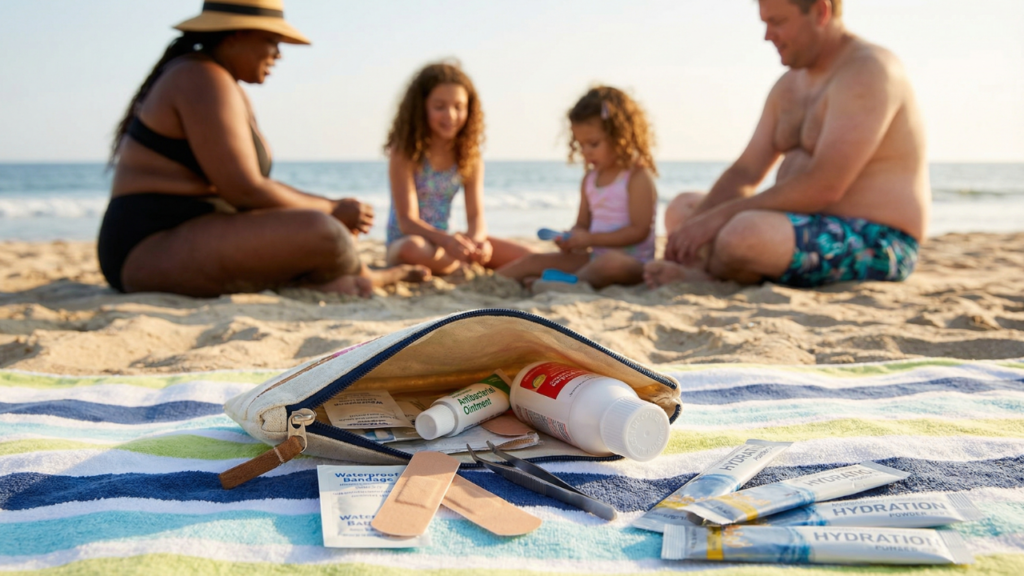
Packing a small beach safety kit helps you deal with minor injuries and unexpected situations quickly, so little problems don’t interrupt an otherwise enjoyable beach day.
What should I keep in a beach safety kit?
A simple beach safety kit can include waterproof bandages, antiseptic ointment or wipes, tweezers, aloe vera, hydration packets, and any medications your family may need. Keeping everything together makes it easy to find when you need it.
Beach days are full of adventure, and with that comes the occasional scrape, splinter, insect bite, or unexpected sunburn. Having a few basic supplies on hand means you can handle minor issues quickly without ending your day early.
Consider packing items such as:
- Waterproof bandages
- Antiseptic ointment or antiseptic wipes
- Tweezers for splinters or shells
- Aloe vera for sun irritation
- Electrolyte or hydration packets
- Any medications your family may need
Keeping these essentials together in one waterproof pouch saves time when something unexpected happens. Instead of searching through multiple bags, you’ll know exactly where everything is when you need it.
Why This Matters
Minor injuries are a normal part of active family beach days. Being prepared helps you handle them quickly so everyone can get back to enjoying their time together.
Keep It Simple
You don’t need a large first aid kit. A small waterproof pouch with a few essential supplies is often all it takes to handle common beach mishaps.
✅Fun Shores Ahead Tip
Want to make sure you don’t forget anything? Check out our Ultimate Family Beach Packing List for a complete checklist of beach safety essentials, comfort items, and family must-haves before your next trip.
Set Expectations Before Play Starts: Keep It Simple
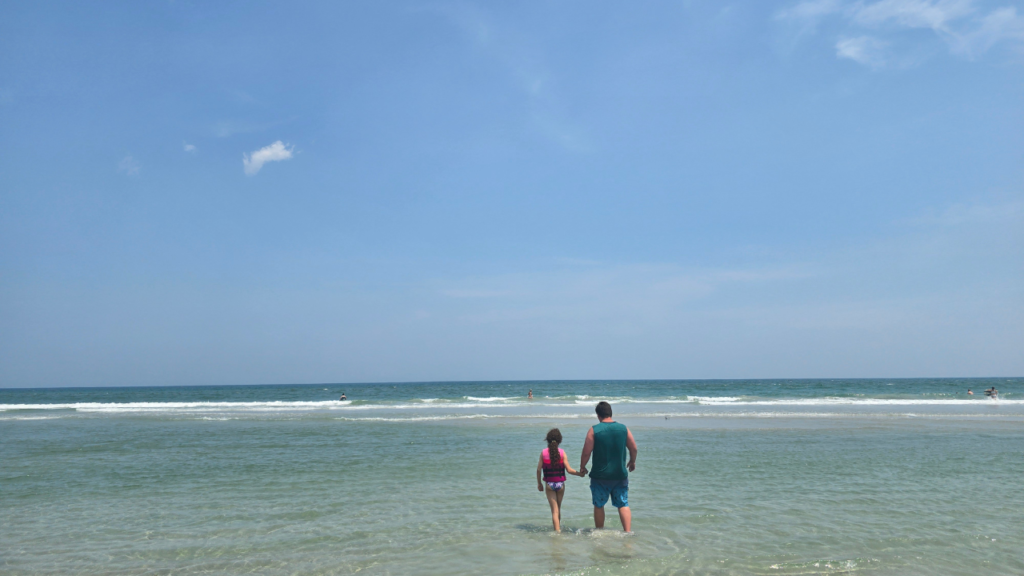
Talking through a few simple beach rules before your kids start playing helps everyone understand what’s expected. Clear expectations reduce confusion, encourage safer choices, and make it easier for the whole family to relax and enjoy the day.
What beach rules should I give my kids?
Keep the rules short and easy to remember. Remind children to stay where you can see them, ask before going into the water, return immediately when called, and know where to meet if they become separated.
Before anyone runs toward the waves, take just a minute to gather everyone together and go over your family’s beach rules. Kids are much more likely to follow expectations when they hear them before the excitement takes over.
Your beach rules might sound something like this:
- “Stay where we can see each other.”
- “Always ask before going into the water.”
- “Come back as soon as I call your name.”
- “If we get separated, meet at our umbrella.”
I’ve found that this quick family huddle sets the tone for the day. Everyone knows what to expect, the kids feel confident, and I spend less time repeating instructions throughout the day.
Why This Matters
Clear expectations help children make safer decisions while giving parents peace of mind. When everyone understands the rules before play begins, there’s less confusion if situations change later.
Keep It Simple
Spend one minute reviewing your family’s beach rules before anyone starts playing. That small conversation can help prevent misunderstandings for the rest of the day.
✅Fun Shores Ahead Tip
Keep your beach rules the same every time you visit. Familiar routines are easier for children to remember, making safety feel like a natural part of every beach day rather than a long list of instructions.
Pay Attention to Flags, Weather, and Water Conditions
Beach conditions can change quickly, even during a short visit. Checking beach warning flags, watching the weather, and keeping an eye on the water throughout the day helps you recognize changing conditions before they become a safety concern.

How often should I check beach conditions?
Check beach conditions before you arrive, when you first get there, and continue paying attention throughout the day. Wind, waves, tides, and weather can change quickly, especially during longer beach visits.
The beach can look calm one moment and feel completely different an hour later. Wind may begin to pick up, waves can become stronger, or dark clouds may roll in unexpectedly. Staying aware of these changes helps you make smart decisions before conditions become unsafe.
Pay attention to beach warning flags and posted signs throughout your visit. While flag systems can vary by location, they commonly include:
- Green: Calm conditions.
- Yellow: Use caution.
- Red: Dangerous surf or strong currents.
- Double Red: Water closed to the public.
If you notice stronger waves, increasing wind, approaching storms, or updated warning flags, it may be time to take a break or end your day a little earlier than planned.
Why This Matters
Many beach hazards develop gradually rather than all at once. Staying aware of changing conditions allows your family to adjust before a small concern becomes a dangerous situation.
Keep It Simple
Don’t assume the beach will stay the same all day. Take a moment every so often to look at the water, check the sky, and notice whether conditions are changing.
✅Fun Shores Ahead Tip
If you’d like to learn more about beach warning flags, changing ocean conditions, and other important safety tips, be sure to read our 11 Essential Beach Safety Tips for Families guide before your next beach trip.
Recognize When It’s Time to Call It a Day
One of the safest decisions you can make at the beach is knowing when it’s time to head home. Leaving before kids become overtired, dehydrated, overwhelmed, or before conditions worsen helps prevent accidents and keeps beach days positive for the whole family.
How do I know when it’s time to leave the beach?
Pay attention to both your children and the beach conditions. If your kids are becoming tired, hungry, irritable, or losing focus, or if the weather and water conditions are getting worse, it’s probably time to pack up and head home.
Every family wants to squeeze every last minute out of a beach day, but sometimes the safest choice is leaving while everyone is still happy.
Children become tired more quickly after hours of swimming, running, and playing in the sun. Add heat, dehydration, hunger, or changing weather, and they’re more likely to make poor decisions or become upset over small things.
Keep an eye out for signs that it’s time to wrap up, such as:
- Unusual tiredness or low energy
- Hunger or irritability
- Trouble focusing or following directions
- Darkening skies or changing weather
- Stronger waves or rougher water
- Increasing wind or changing beach conditions
I’ve learned that ending the day a little earlier often means everyone leaves with smiles instead of tears. The beach will still be there tomorrow, but pushing through exhaustion can quickly turn a great family outing into a stressful one.
Why This Matters
Many beach-related incidents happen late in the day when children are tired, adults are less attentive, or beach conditions have changed. Recognizing those signs early helps your family stay safe while ending the day on a positive note.
Keep It Simple
Don’t wait until everyone is exhausted. Leaving while your kids are still happy often means they’ll be excited to come back for your next beach adventure.
✅Fun Shores Ahead Tip
When my family heads to the beach, I try to leave before everyone reaches the point of exhaustion. It might mean cutting the day a little short, but we’ve found that ending on a high note makes the experience more enjoyable and leaves everyone looking forward to our next beach trip.
FAQ: Teaching Kids Ocean Awareness
What age should I start teaching my child about ocean safety?
You can begin teaching ocean awareness as soon as your child can walk and understand simple instructions. Even toddlers can learn basic rules like staying close to a parent and watching the waves. The goal is to keep lessons gentle, consistent, and age-appropriate as they grow.
How do I teach ocean safety without scaring my child?
Focus on calm, positive language that supports curiosity rather than fear. Show them what to look for, explain why certain rules keep everyone safe, and model confidence yourself. Kids take emotional cues from their parents, so a steady, relaxed tone helps them feel secure.
What are the most important ocean rules for kids to remember?
Start with simple fundamentals: stay where a parent can see you, never turn your back to the waves, don’t go deeper than your waist unless a parent is with you, and return immediately when called. These basics build a strong foundation for older, more advanced safety lessons later.
How can I help my child spot changing ocean conditions?
Teach them to pay attention to wave size, water color, flags, or any posted beach warnings. Make it a shared activity by checking the water together before playing. This helps them develop awareness naturally without feeling overwhelmed.
Does teaching ocean awareness help if my child is afraid of the water?
Yes. Learning what to expect often reduces fear because it turns the unknown into something familiar. Take slow steps, stay close, and celebrate small wins like dipping toes, splashing gently, or holding hands at the shoreline.
How do I get my older kids to listen to beach safety rules?
Older kids respond well to understanding why the rules matter. Explain how currents work, show them signs on the beach, or talk about how even strong swimmers respect the ocean. Involving them in the learning process builds responsibility and cooperation.
How often should we review beach rules with our kids?
Every trip is a good time for a quick, one-minute refresher. Kids get excited at the beach, and clear reminders help set expectations. Keeping it short and positive helps the message stick.
Should I still teach ocean awareness if we only visit calm beaches?
Absolutely. Conditions can change quickly, even in gentle areas. Teaching awareness early gives your child lifelong confidence and helps them stay safe in a variety of beach environments.
What if my child goes farther into the water than they should?
Stay calm, call them back firmly, and take it as an opportunity to repeat the rule together. Kids learn through repetition, and staying patient reduces anxiety for both of you. The goal is understanding, not punishment.
Can ocean awareness make beach trips more enjoyable?
Yes, when kids feel confident and know what to expect, they play more freely and safely. And when parents feel prepared, they can relax and enjoy the beach without constantly worrying. Awareness builds peace of mind for the whole family.
Safe Beach Days Start With Simple Habits
Keeping kids safe at the beach isn’t about worrying through every moment. It’s about building simple habits that help your family relax, have fun, and enjoy the day together with greater peace of mind.
From staying within arm’s reach and choosing beaches with kid-friendly conditions to protecting against the sun, staying hydrated, and knowing when it’s time to head home, every small decision adds another layer of safety. None of these tips are complicated on their own, but together they create a beach routine that helps your family stay happy, healthy, and prepared.
Remember, every beach is different, and conditions can change throughout the day. Staying aware, planning ahead, and keeping communication open with your kids will help you make the best decisions for your family’s unique needs.
The best family beach days aren’t the ones where everything goes perfectly. They’re the ones where everyone leaves smiling, already talking about the next adventure. With a little preparation and these simple safety habits, you can spend less time worrying and more time making memories that will last long after the sand has been washed away.
Ready to Plan Your Next Family Beach Trip?
Packing for a family beach day doesn’t have to be overwhelming. Take our Free Family Beach Packing Quiz to receive a personalized packing checklist based on your destination, the ages of your kids, and the activities you have planned. It’s a simple way to feel more prepared before your next beach adventure.
You can also continue planning with these helpful guides: