


Spending a day at the beach with kids is one of my favorite ways to slow down and reconnect as a family. But as much as I love the sun, I’ve learned the hard way that shade is not optional, especially when you’re out there for hours with children of different ages.
A good beach umbrella can make or break your beach day. I’ve used umbrellas that flew away, didn’t block enough sun, or were more work than they were worth. Over time, I’ve figured out what actually matters when choosing the best beach umbrella for real family beach days.
If you want better sun protection, more comfort, and less stress, this guide will walk you through exactly what to look for.
Why A Beach Umbrella Matters More Than You Think
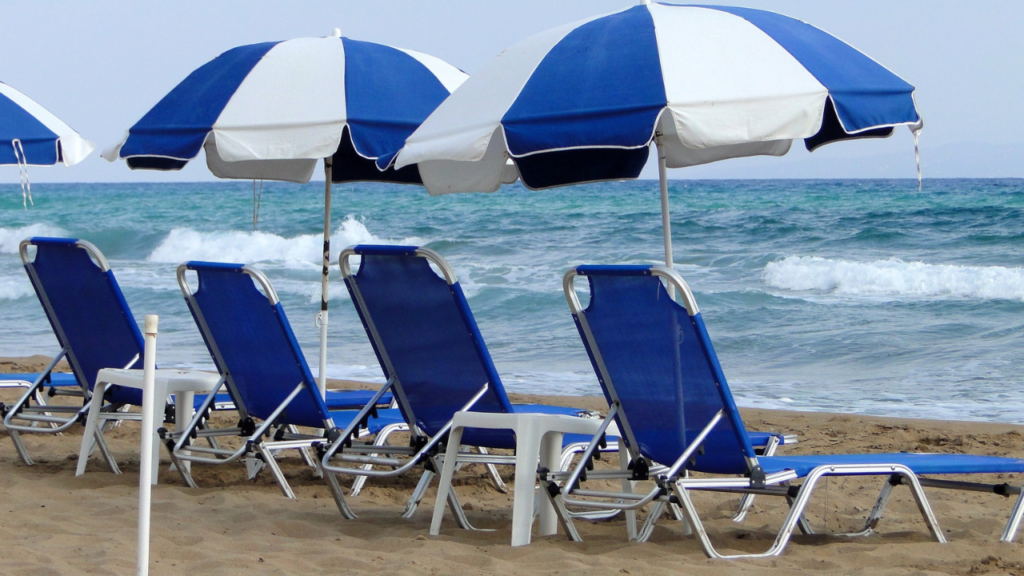
When you’re at the beach, sun exposure adds up fast. Kids play longer than they realize. Babies need frequent breaks. Parents end up staying put while carrying snacks, bags, and babies.
A beach umbrella creates:
- A safe place to cool down
- A shaded spot for feeding babies
- A break area for kids who need rest
- Protection for bags, snacks, and electronics
From my experience, families who skip shade usually end up leaving early. A good umbrella helps everyone last longer and enjoy the day.
Look For Real UV Protection, Not Just Shade
This is one of the biggest mistakes I see families make.
Not all umbrellas block harmful rays, even if they look big and colorful.
What to look for:
- UPF 50+ fabric
- UV-resistant coating
- Tightly woven canopy material
Shade alone isn’t enough. UV rays reflect off sand and water, especially in places like North Carolina beaches and Bermuda. I always choose umbrellas designed specifically for sun protection, not just decoration.
Size Matters When You’re With Kids

A small umbrella may work for one person, but families need space.
I always recommend:
- At least a 6–7 foot canopy
- Enough coverage for kids sitting, lying down, or napping
- Room for bags, coolers, and strollers
If you have a baby or toddler, extra shade matters even more. I like having space so no one feels cramped or overheated.
Stability Is Everything On Windy Beaches
If you’ve ever chased an umbrella down the beach, you know this part matters.
Wind is common on coastal beaches, especially in NC and SC. A great umbrella should stay put.
Look for:
- Sand anchors or screw-in bases
- Strong fiberglass or aluminum poles
- Ventilation panels to let wind pass through
I avoid umbrellas that rely on shallow stakes or flimsy poles. If I can’t twist it deep into the sand, I don’t trust it.
Adjustable Angles Make A Huge Difference
The sun moves constantly throughout the day.
A good beach umbrella should allow:
- Tilting
- Adjustable height
- Angle changes without removing it from the sand
This matters when kids are playing nearby and you want shade to move with them. I always adjust ours as the day goes on instead of dragging everyone around.
Easy Setup Saves Your Energy
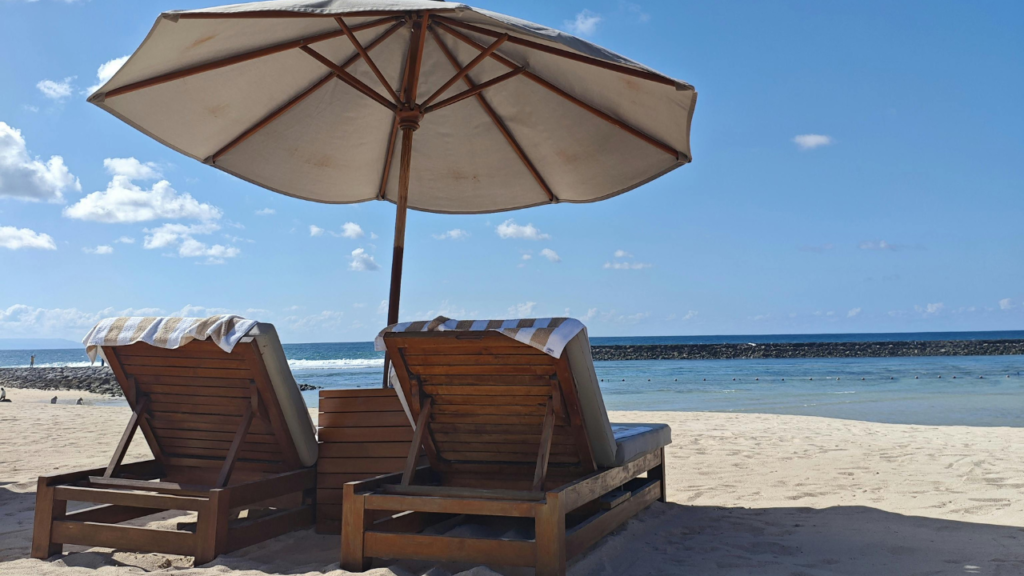
When you’re carrying kids, bags, snacks, and towels, simple setup matters.
What I personally prefer:
- Lightweight design
- Quick screw-in anchors
- No complicated parts
If an umbrella takes too long to set up, it’s not family-friendly. I want something I can handle myself while keeping an eye on my kids.
Durability Is Worth Paying For
Cheap umbrellas often:
- Tear after one season
- Bend in strong wind
- Fade quickly in the sun
I’ve learned that buying a better umbrella once is easier than replacing a cheap one every summer.
Look for:
- Fade-resistant fabric
- Rust-resistant frames
- Reinforced seams
A durable umbrella becomes part of your regular beach routine, not a frustration.
Portability Still Matters For Families
Even sturdy umbrellas should be manageable.
Helpful features include:
- Carrying bags with shoulder straps
- Compact folding design
- Lightweight materials
When you’re walking across hot sand with kids, every pound matters. I always test whether I can carry it comfortably myself.
Think About How Your Family Actually Uses Shade
Every family is different.
Ask yourself:
- Do you have babies or toddlers who need frequent shade?
- Do your kids take snack breaks or naps?
- Do you stay at the beach half a day or longer?
For us, shade isn’t just for resting. It’s for feeding, cooling off, reapplying sunscreen, and giving everyone a break. Choosing an umbrella that fits how your family moves makes beach days smoother.
Extra Features That Are Nice To Have
These aren’t required, but they help:
- Interior pockets for phones and keys
- Reflective interior lining for added cooling
- Matching side panels or accessories
I don’t need bells and whistles, but I appreciate features that make beach days easier.
FAQ: Choosing The Best Beach Umbrella For Families
What makes a beach umbrella good for sun protection?
A good beach umbrella should offer UPF 50+ fabric, UV-resistant materials, and enough coverage to block direct and reflected sun. Shade alone isn’t enough at the beach. Proper sun protection helps keep kids cooler and reduces sun exposure over long beach days.
Is a regular patio umbrella safe to use at the beach?
Not really. Patio umbrellas are not designed for sand, wind, or UV exposure. Beach umbrellas are built to anchor securely and handle coastal conditions. Using the right type of umbrella improves safety and prevents accidents.
How big should a beach umbrella be for families?
For families, larger umbrellas work better. A canopy around 6 to 7 feet wide provides enough shade for kids, adults, bags, and snack breaks. Extra space matters when kids need rest or shade throughout the day.
How do I keep a beach umbrella from blowing away?
Look for umbrellas with sand anchors, screw-in bases, and vented canopies. These features help stabilize the umbrella in windy conditions. Proper setup and deep anchoring are just as important as the umbrella itself.
Is tilting or adjusting the umbrella really necessary?
Yes. The sun moves constantly, especially during long beach days. An adjustable umbrella allows you to reposition shade without moving your entire setup. This keeps kids protected as the day goes on.
Can a beach umbrella replace sunscreen?
No. Beach umbrellas and sunscreen work together, not separately. Shade reduces direct exposure, but reflected rays still reach skin. Sunscreen should always be applied and reapplied, even when sitting under an umbrella.
Are lightweight beach umbrellas durable enough for families?
They can be, as long as they are made with strong, rust-resistant materials. Lightweight doesn’t have to mean flimsy. The key is choosing umbrellas designed specifically for beach use, not generic outdoor shade.
How long should a good beach umbrella last?
With proper care, a quality beach umbrella should last multiple seasons. Durable fabric, reinforced seams, and sturdy poles help extend its lifespan. Investing in quality usually saves money over time.
What features help most when using a beach umbrella with kids?
Large shade coverage, easy setup, and strong stability matter most. Interior pockets, tilt options, and breathable fabric also help keep beach days smoother when managing kids of different ages.
Is a beach umbrella worth bringing if we only stay a short time?
Yes. Even short beach visits involve sun exposure. Having shade allows kids to cool down quickly and helps prevent overheating. It also makes snack breaks and rest time more comfortable.
Plan Safer, More Comfortable Beach Days With Your Family
Choosing the right beach umbrella is just one part of creating a beach day that feels calm, protected, and enjoyable for everyone. From shade and sun safety to gear, packing tips, and family-friendly beach ideas, having the right guidance makes all the difference.
Visit the Fun Shores Ahead hub to explore trusted family beach tips, destination guides, and practical advice designed to help you feel confident planning your next beach adventure.