

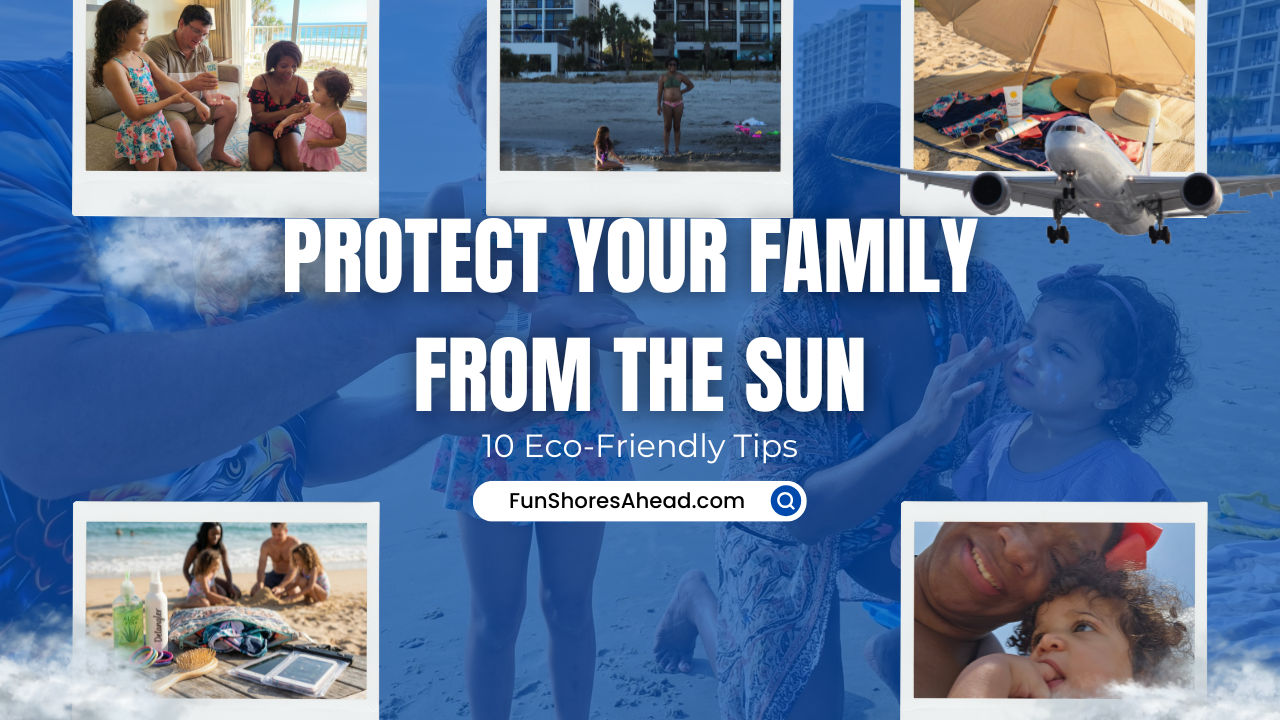

As a mom of two girls, one in the toddler stage where she wants to eat the sand, and one in the tween stage growing into her own sense of independence (will my mom heart be ok? ;.; ), beach days have become one of our favorite ways to pause real life and simply enjoy each other. The sun, the waves, the sound of laughter… there’s nothing quite like it. But being out in the sun all day also means shifting into “protective mama mode,” because we’ve learned the hard way just how quickly a beautiful day can turn uncomfortable if we’re not prepared.
And when I say “learned the hard way,” I mean my poor husband, who is white and burns at the mention of UV rays, once scorched the bottoms of his feet walking barefoot on the hot sand at Wrightsville Beach in June. We shared the whole experience on our vlog because if you can’t laugh and learn from your beach trip mishaps, what can you do? But the truth is, that moment taught our family a lot about sun care, timing, and the importance of protecting your skin from top to bottom… literally.
Sun protection is about more than keeping kids comfortable. It shapes the experience, the memories, and how everyone feels long after the beach day is over. And when you’re raising a biracial family like ours, different skin tones, different sensitivities, different needs, it becomes even more important to be intentional and eco-conscious.
Here’s How To Protect Your Family From The Sun and keep the environment safe, all through lessons we’ve learned as a family of four who loves the beach.
Why Sun Protection Matters More Than You Think
Kids don’t always recognize when they’re overheating or getting too much sun. A toddler will run full speed into a wave with zero hesitation. A tween will insist she’s “fine” even when her shoulders are slowly turning pink. And adults? Well, some adults… like my husband… will forget that the bottoms of their feet are basically as vulnerable as their faces.
Add that to the fact that sand and water reflect UV rays, and sun exposure can sneak up on you fast.
As a mom, there’s something grounding about knowing you’ve prepared your family well. It lets you enjoy the day too, not just monitor everyone else’s comfort. Sun protection gives you that freedom and allows your kids to just be kids without worrying about how they’ll feel later.
1. Choose Reef-Safe Sunscreen to Care for Your Family and the Ocean

The first thing I pack for any beach day is sunscreen, reef-safe sunscreen specifically. With two young kids playing in the water and a husband who burns faster than toast, a mineral, non-nano zinc oxide sunscreen is non-negotiable in our home.
But I’m also Bermudian and protecting the ocean matters just as much to me as protecting my family’s skin. Many traditional sunscreens wash off into the water and harm coral reefs, marine life, and coastal ecosystems. Reef-safe sunscreens give you the best of both worlds: strong protection and environmental respect.
What I look for:
- Mineral-based formulas
- Non-nano zinc oxide
- “Reef-safe” or “ocean-friendly” labels
- Broad-spectrum UVA/UVB protection
- Water resistance
Mineral sunscreens start working immediately, which is perfect for my toddler because once her toes hit the sand, she’s gone. And for my tween, who has sensitive skin, the clean ingredients prevent irritation.
2. Apply Sunscreen Before You Even Leave Home
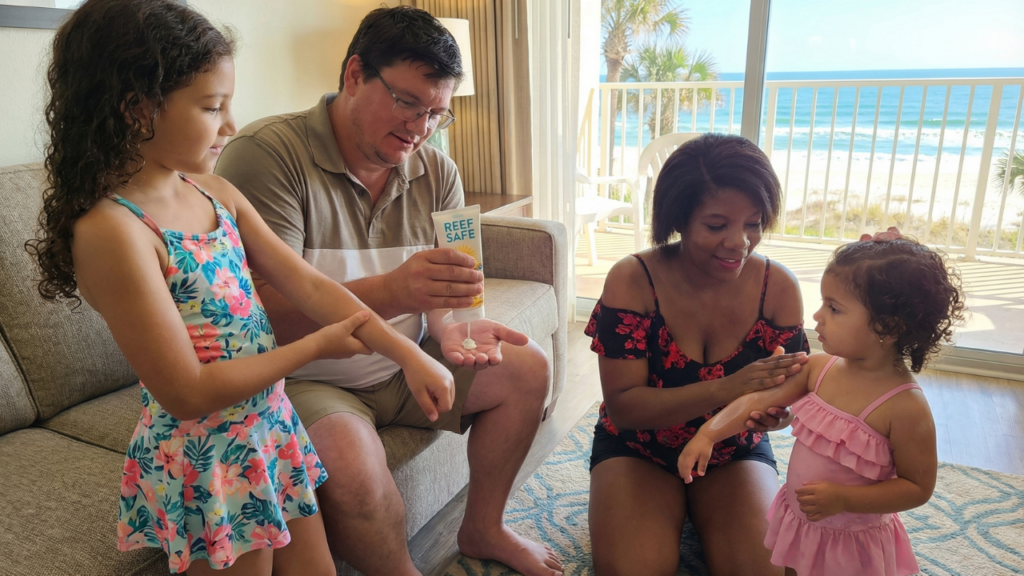
If you wait until you’re on the beach to apply sunscreen, you’re setting yourself up for a wrestling match — especially with little ones. Sand sticks to everything, kids are distracted, and nobody wants to pause the excitement.
Over time, our family learned this routine:
- Sunscreen happens before clothes
- Face sunscreen goes on with a makeup brush for even distribution
- I double-layer the shoulders, chest, ears, and neck
- My husband gets an extra layer on his feet because… well… Wrightsville Beach taught us
This one change makes everything easier. We walk onto the beach ready, protected, and not covered in sand before we even begin.
3. Reapply Even When No One Wants To

Once kids start playing in the waves, they forget the world, including sunscreen. But reapplication is where the real protection happens.
Our system:
- Every 90 minutes
- After swimming
- After towel drying
- During snack or hydration breaks
I keep a dedicated “sun pouch” in my beach bag so I’m not digging for sunscreen under water bottles, wipes, or sand toys. When you’ve got a toddler tugging you in one direction and a tween asking a question in the other, organization becomes your best friend.
And my husband? You know he has to be reminded too 🤦🏾♀️ but better to keep us all safe than experience the painful effect of sunburn.
4. UPF Clothing: The Real MVP of Beach Days
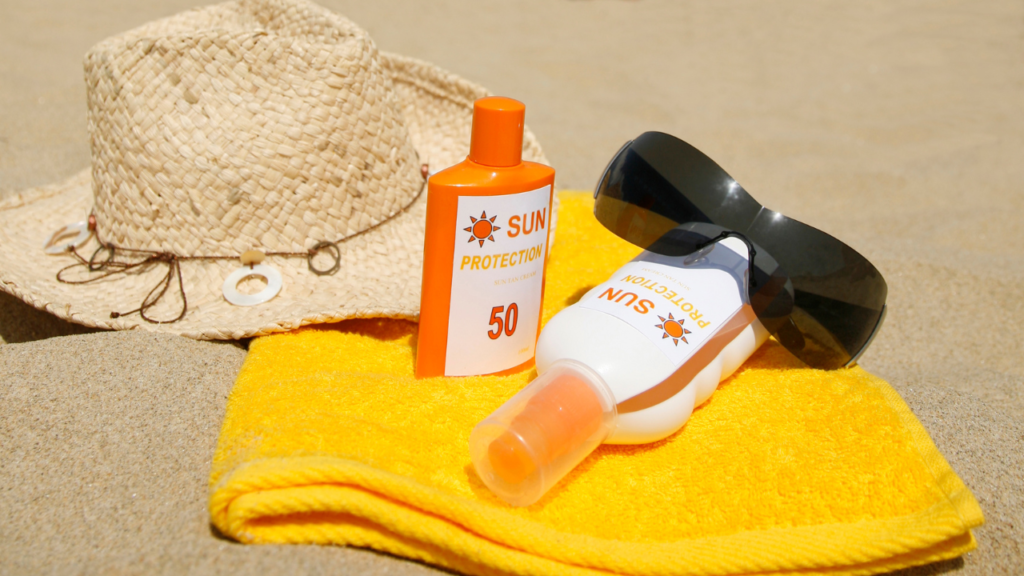
When I first started using UPF clothing for the kids, I felt like I had unlocked a parenting cheat code. Long-sleeve rash guards, UPF shirts, wide-brimmed hats they’ve saved us so many reapplications and meltdowns.
UPF clothing is especially helpful for:
- Babies and toddlers who rub sunscreen off
- Kids with sensitive skin
- Parents who want fewer “missed spots”
- Anyone prone to burning
My tween loves choosing her own UPF pieces now, especially bright colors that show up beautifully in family photos and make her easy to spot from afar. And the toddler? She’ll wear anything as long as she can still roll in the sand like a little croissant.
5. Create a Home Base With Shade
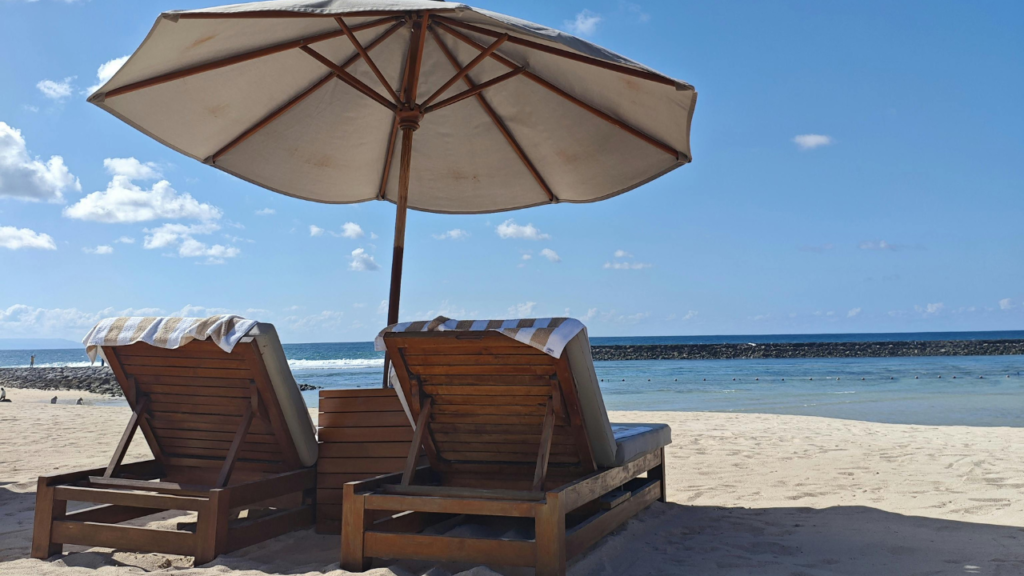
Having a shade zone is like bringing a piece of home to the beach. Our family always brings either:
- A pop-up tent
- A canopy
- A large UV-blocking umbrella
Shade gives everyone a chance to cool down, snack without glare, and take a break before getting overwhelmed. My toddler often sits under the tent playing with shells while my tween lounges and reads a book. It resets their energy and keeps everyone protected between sunscreen layers.
6. Don’t Forget Eyes, Lips, and All the Small Spots

We’ve learned that sun protection extends to:
- UV-blocking sunglasses
- SPF lip balm
- A good moisturizer for after-sun care
My husband, with his lighter skin tone, burns easily around his lips and eyes, so sunglasses and SPF lip balm have become essential. The girls wear their sunglasses proudly, especially when they match their swimsuits.
These small steps save us from so many bedtime complaints later.
7. Hydration: The Hidden Key to Sun Safety
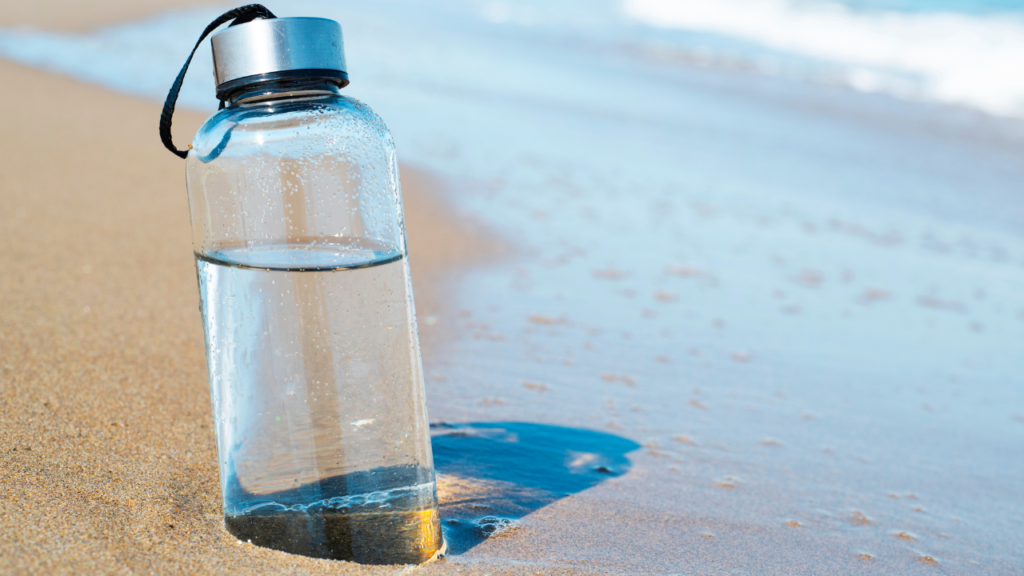
Kids can go from happy to overheated quickly, especially when they’re having fun. Now we bring:
- Insulated water bottles
- Hydration tablets for longer days
- Cold fruit like watermelon or grapes
- A dedicated “hydration break rule”
My toddler doesn’t always recognize when she’s getting drained, so we take regular shade-and-sip breaks. My tween knows the routine now but doesn’t always take it seriously so I have to remind her as well as her little sister.
But it keeps everyone in good spirits and safe.
8. Avoid Peak Sun Hours When Possible
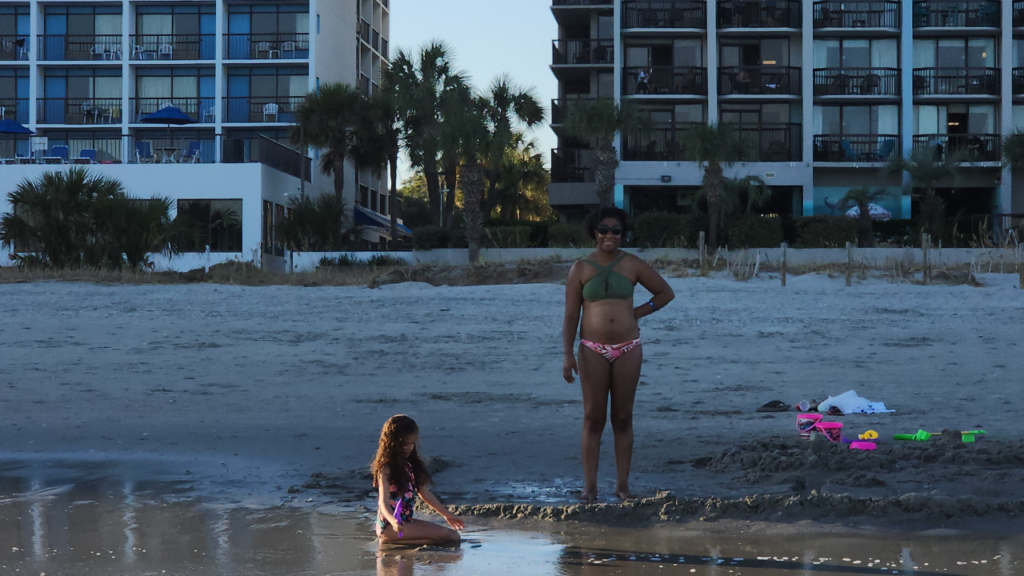
Our family learned that early mornings and late afternoons are the sweet spots. The sun feels gentler, the beach is quieter, and the light is beautiful in photos.
During peak sun hours:
- We take shade breaks
- Rehydrate
- Grab lunch
- Explore the boardwalk
- Let the toddler nap
This rhythm not only protects us but also makes the whole day feel balanced.
9. After-Sun Care Makes a World of Difference

After our Wrightsville Beach burn moment, we became much more intentional about after-sun care.
Now our routine includes:
- Aloe vera gel
- A hydrating lotion
- A cool rinse to remove salt and sand
- Moisturizing the kids’ skin before bed
This step reduces irritation and keeps everyone comfortable long after the beach day is over.
My husband learned quickly that moisturizing those burned feet was not optional, and aloe became his new best friend.
10. Teach Kids Why Sun Safety Matters
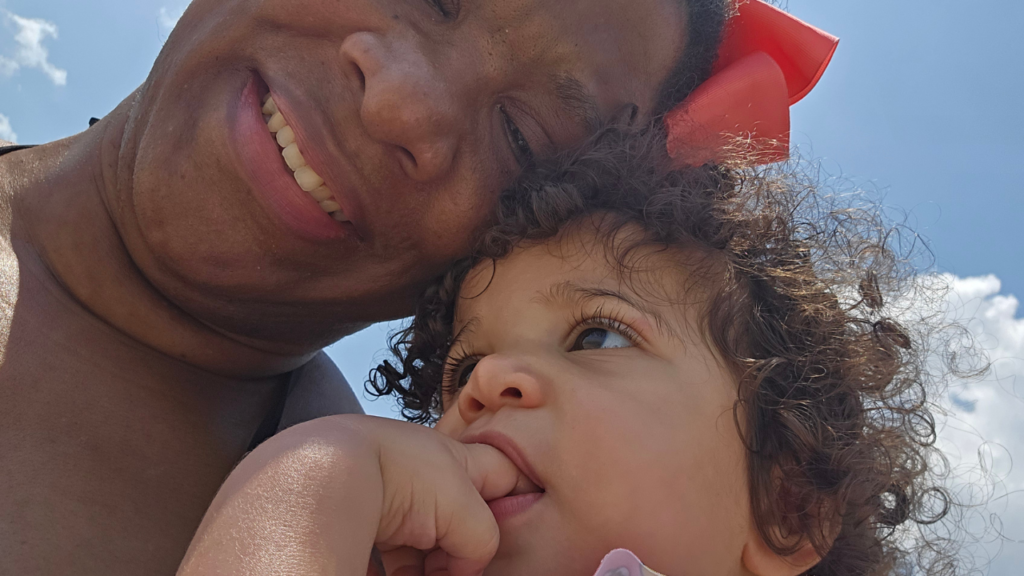
Kids follow what you show more than what you say. When my girls see me applying sunscreen, choosing shade, wearing my hat, and drinking my water, they mirror the behavior naturally.
We also talk to them about:
- How the sun affects different skin tones
- Why it’s important to protect coral reefs
- Why sunscreen needs reapplying
- What overheating feels like
Empowering kids helps them feel confident instead of restricted.
Related Articles
- How To Keep Kids Safe While Enjoying the Beach
Learn simple safety habits that help protect your children while still letting them enjoy the waves, shoreline, and open play. - Teach Kids Simple Ocean Awareness: Empower Them Without Fear
Support your child’s confidence in the water with easy ocean-awareness tips that turn the beach into a safe, teachable adventure. - 10 Essentials For Your Family Beach Trip Packing Checklist
Pack smarter, stay organized, and make your beach days stress-free with a family-focused list tailored for parents. - Eco-Friendly Family Beach Vacations: Destinations and Activities
Discover destinations and activities that celebrate nature and help your family travel sustainably. - Tips For Finding Accommodations Near Family-Oriented Beaches
Learn what makes a stay truly family-friendly and how to choose the right spot for relaxing, safe, memory-filled beach trips. - Best Beach Toys and Activities for Kids Aged 1–5
Explore toddler-approved toys and activities inspired by real family experiences to keep little ones engaged all day long.
FAQ: How To Protect Your Family From the Sun at the Beach
Do kids really need sunscreen even if their skin tone is darker?
Yes. Melanin offers some natural protection, but not enough for long days at the beach where UV rays bounce off sand and water. As a Black mom, I still apply reef-safe sunscreen to myself and my girls because sun exposure builds over time. My toddler especially needs help reapplying because she’s constantly wiping her face on her shirt, the towel, or my shoulder. Everyone benefits from mineral sunscreen, regardless of skin tone.
What kind of sunscreen is safest for both my kids and the ocean?
Mineral, reef-safe sunscreen made with non-nano zinc oxide is the safest option for skin and marine life. Many people don’t realize their sunscreen washes off in the ocean and can harm coral reefs. Once I understood the impact, I switched our entire family to reef-safe formulas. It’s been great for my tween’s sensitive skin and perfect for my toddler, who is constantly in and out of the water.
How often should I reapply sunscreen at the beach?
Reapply every 90 minutes, and also after swimming, sweating, or towel-drying. I know reapplying on kids can feel like chasing butterflies, so I keep our sunscreen in a dedicated “sun pouch” in our beach bag. Quick access makes reapplication easier, especially when I’m juggling a toddler who wants to run and a tween who wants to talk my ear off.
Can sunburn happen on unexpected areas like feet?
Absolutely, and my husband is living proof. He burnt the bottoms of his feet at Wrightsville Beach one June afternoon just from walking on hot sand. We shared the whole story on our vlog because it was a moment, but it also reminded us that feet, ears, lips, and the tops of hands are spots we often forget. Now sunscreen on feet is mandatory in our house.
Is UPF clothing better than sunscreen for kids?
UPF clothing isn’t “better,” but it is easier and more consistent. My girls wear UPF swim shirts and rash guards because:
– It reduces how much sunscreen I need to reapply
– It protects sensitive shoulders and backs
– It keeps them comfortable when they’ve been in the sun for hours
UPF clothing plus reef-safe sunscreen is the perfect combo.
What can I do to keep my toddler from overheating?
Toddlers sometimes play so hard they forget to drink water or take breaks. What works for us:
– Offering cold water in small, consistent sips
– Keeping hydrating snacks like watermelon or grapes
– Setting up a shaded “cool-down zone”
– Doing regular “shade check-ins”
Even my tween has learned to remind her little sister to sit in the tent for a snack-and-sip moment. It helps the whole day flow better.
What’s the best time of day to take young kids to the beach?
Early mornings or late afternoons are ideal. The sun is gentler, the sand is cooler, and the beach feels peaceful. During peak sun hours (10 a.m. to 4 p.m.), our family usually takes breaks for lunch, shade, or naps. My toddler often gets her biggest rest in during that window, which resets everyone’s energy.
What should we do after a beach day to care for our skin?
After-sun care matters just as much as sunscreen. Our routine includes:
– A cool rinse in the shower
– Aloe vera for any warm or pink spots
– A thick, hydrating lotion before bed
After my husband’s infamous foot burn, aloe and moisturizing became a whole commitment. Now after-sun care is part of our family rhythm.
How do I teach my kids why sun safety matters?
Explain things in simple, empowering ways. I talk to my girls about:
– Protecting their skin
– How different skin tones can react differently
– Why sunscreen helps us enjoy the beach longer
– How we protect the ocean by choosing reef-safe products
Kids are more likely to participate when they understand why something matters. My tween now reminds me to reapply, so it definitely works.
Can sun safety still be eco-friendly?
Yes, absolutely. From reef-safe sunscreen to reusable water bottles, shade tents, and eco-conscious beach habits, you can protect your kids and the ocean at the same time. I grew up loving the beach, and now with my own children, it matters to me that they learn how to care for the places they play. Sun safety and eco-awareness go hand in hand.
Conclusion: Protect Your Family, Enjoy the Sunshine, and Care for the Beach You Love
Sun protection isn’t just another item on the beach-day checklist; it’s part of how we show love to our children, how we safeguard their comfort, and how we teach them to explore the world with confidence.
As a mom who has covered two toddlers in sunscreen, coaxed a nervous little one toward the waves, and tended to a husband who once burned the bottoms of his feet, I know firsthand that these small steps make a big difference.
When we choose reef-safe sunscreen, UPF clothing, gentle routines, shade breaks, and mindful habits, we’re protecting more than skin. We’re protecting our memories. We’re protecting the places we treasure. And we’re giving our kids a beach experience that feels joyful, safe, and beautifully simple, exactly as childhood should be.
So as you plan your next seaside getaway, keep these eco-friendly sun protection habits close. They’ll serve your family well, they’ll support the ocean, and they’ll help you make memories that feel as warm as the sun, without the burn.
Ready to Plan a Safer, Happier Beach Day?
Explore more guides that help your family travel confidently, comfortably, and always with joy.