



The Outer Banks (OBX) is a destination I often recommend to families who want a beach trip that feels doable, rather than draining. It gives you the space to slow down, wide beaches that are easy to manage with kids, and a pace that works well for different ages.
This guide will walk you through exactly How To Plan A Successful Outer Banks Family Trip. You will learn:
- Where to stay and which areas work best depending on how you want to spend your time
- How to get there and move around, including realistic transportation options
- What you can do each day without overloading your schedule
- How to plan a 3-day versus a 7-day stay
- When to visit for the best weather, crowds, and prices
- How to manage your time and budget without sacrificing the experience
If you are researching the Outer Banks and want clear guidance from a parent who understands how family travel actually works, this guide is designed to help you plan with confidence.
What Your Trip to the Outer Banks Will Feel Like
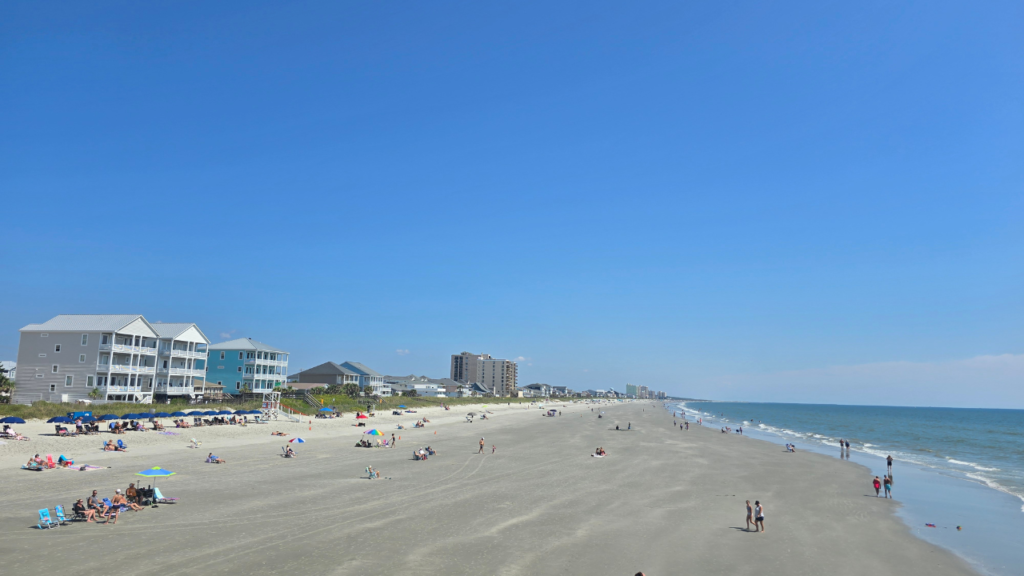
Days in the Outer Banks tend to follow a simple flow. Mornings are slow. Afternoons are spent outside. Evenings are quiet and early. That is what makes this area work so well.
You do not need a full schedule here. In fact, trying to do too much is the quickest way to feel overwhelmed. I always recommend planning one main activity per day, then letting the rest of the time stay flexible.
Getting There and Moving Around
The most convenient airport is Norfolk International Airport. From Norfolk, the drive to most Outer Banks towns takes about 1.5 to 2.5 hours, depending on traffic and where you are staying. This is the option I recommend most often because the drive is manageable and flights are usually reliable.
Raleigh-Durham International Airport is another option, but the drive is closer to 4 to 5 hours. This airport makes sense if flight prices are much lower or if the Outer Banks is part of a longer North Carolina trip.
Once you arrive, you will need a car. The islands are spread out, and even quick outings require driving. I also suggest doing one larger grocery run early in the trip. This saves time and helps keep food costs under control.
Getting a Car for the Outer Banks (What You Need to Know)
If you fly into the Outer Banks region, you will need to rent a car. There is no real way to explore OBX without one. Beaches, grocery stores, rentals, and attractions are spread out, and if you are into rideshare (NOT recommended), the options are limited once you are on the islands.
Renting a Car at the Airport
If you fly into Norfolk International Airport, you will find all major car rental companies directly at the airport. This is the easiest and most reliable option.
You can expect to see:
- Enterprise Rent-A-Car
- Hertz
- Avis
- Budget
- Alamo
- National Car Rental
I recommend booking your rental car at the same time you book your flight, especially if you are traveling in summer. Vehicles do sell out during peak season, and last-minute options are often limited or expensive.
What Type of Car You Should Rent
Choose your vehicle based on how you plan to travel, not just price.
- A midsize SUV or minivan works best for most trips. You will have room for luggage, beach chairs, strollers, and groceries.
- If you are traveling with toddlers, make sure the trunk can fit a stroller without blocking visibility.
- If you plan to drive on beaches or explore remote areas like the wild horse beaches in Corolla without a tour, you will need four-wheel drive. This is not optional for beach driving.
If you do not plan to drive on the beach, a standard SUV is more than enough.
Renting a Car After You Arrive in OBX
Car rental options on the Outer Banks itself are very limited. A few local rental offices exist, but availability is inconsistent, and prices are usually higher.
I do not recommend flying in and hoping to rent a car once you arrive. Secure your vehicle before you get there.
Driving in the Outer Banks With Kids
Driving in OBX is straightforward, but there are a few things parents should know.
- Speed limits are lower than highways. Plan extra time.
- Traffic can bottleneck on summer weekends, especially Saturdays.
- Many families choose to do their grocery shopping on the mainland before crossing onto the islands. This saves time and avoids crowded stores.
Once you are settled, most daily drives are short. Many families plan one “out and about” day, then spend the next day close to their rental.
Can You Use Rideshare or Public Transportation?
Rideshare services exist in some areas, but they are unreliable and limited, especially with car seats. Public transportation is minimal and not practical for daily use.
For this destination, your rental car is your freedom. It allows you to adjust plans, manage naps, and respond to weather changes without stress.
How the Car Affects Your Budget
Your rental car will be one of your larger expenses, but it also saves money elsewhere.
- You can cook meals instead of dining out
- You can choose quieter beaches instead of crowded access points
- You can shop sales and grocery stores easily
To save money:
- Book early
- Compare airport pickup vs nearby off-site locations
- Avoid upgrading to four-wheel drive unless you truly need it
Expert Tip I Always Share
If you are staying for a full week, plan one arrival day, one activity day, one rest day, then repeat. Your car gives you flexibility, but you do not need to use it constantly. The Outer Banks rewards staying put.
Where You Stay Matters More Than You Think

Most people stay in vacation rentals, and that choice shapes how the entire trip feels.
If you want convenience, stay in Nags Head or Kill Devil Hills. These areas are central and close to grocery stores, restaurants, and activities. This is where I usually point first-time visitors.
If you want quiet and fewer crowds, Duck and Corolla are better choices. These areas work well if you plan to spend most of your time at the beach or at your rental.
Rentals give you space, kitchens, and flexibility. That alone can cut costs and stress in half.
Grocery Shopping Strategy in the Outer Banks
How you handle groceries in the Outer Banks has a bigger impact on your trip than most people expect. A little planning here saves time, money, and daily stress.
Do One Main Grocery Run Early
I recommend doing one main grocery run at the start of your trip. This sets the tone for the week and prevents you from constantly running out for small items.
If you are driving in, stop on the mainland before crossing onto the islands when possible. Stores are usually less crowded, and prices can be slightly better. If you are flying in, plan your grocery stop on the way from the airport to your rental.
Once you are settled, most families only need quick restocks, not full shopping trips.
Where to Shop in OBX
The Outer Banks has familiar grocery stores, but they can get busy during peak season. The most common options include:
- Food Lion – Most common and convenient, with several locations
- Harris Teeter – Larger selection, higher prices, good for specialty items
- Local seafood markets and farm stands for fresh add-ons
During summer, these stores are busiest on Saturdays and Sundays. If you can shop on a weekday morning, the experience is much easier.
What to Buy (Think Simple and Flexible)
Stick to foods that are easy to prepare and easy to adjust if plans change.
I recommend focusing on:
- Breakfast basics you can make quickly
- Lunch items that work for beach days
- Simple dinners you can rotate
- Snacks you can grab without thinking
Avoid planning complicated meals. Sand, sun, and tired kids make simple food the best choice.
Use Your Rental to Your Advantage
Most vacation rentals come with full kitchens, grills, and outdoor eating space. Use them.
Cooking breakfast and lunch at your rental saves the most money and time. Many families choose to eat out only a few nights and keep the rest of the meals simple and familiar.
If your rental has a grill, plan at least one grill night. It is easy, affordable, and fits the relaxed pace of the area.
Grocery Delivery and Pickup Options
Some stores offer grocery pickup or delivery during certain seasons. Availability can change, especially in summer.
If you use grocery delivery:
- Schedule it for after your arrival window
- Build in extra time in case of delays
- Do not rely on delivery for your entire trip
I see delivery as a convenience, not a replacement for planning.
Budget Tip That Actually Works
Plan meals first, then build your grocery list. This prevents overbuying and food waste.
Most families overspend on groceries not because food is expensive, but because they shop without a plan.
My Practical Advice
Get groceries handled early, keep meals simple, and avoid daily store trips. This gives you more time at the beach and less time managing logistics.
Best Beach Access Points With Parking in the Outer Banks
Finding a good beach access point can make or break a beach day, especially when you are juggling chairs, towels, snacks, and at least one person who suddenly needs the bathroom. In the Outer Banks, not every beach access is set up the same way. Some have proper parking and short walks to the sand. Others require more patience than most parents have before coffee.
Knowing where to go ahead of time saves energy, time, and a lot of unnecessary stress. These are the beach access points I recommend when you want parking that actually works and a beach setup that feels manageable.
Recommended Beach Access Points
- Nags Head Public Beach Accesses
Multiple access points with parking, boardwalks, and lifeguards during peak season. Easy to move on to another access if one is full. - Jennette’s Pier (Nags Head)
Clear parking, a wide beach, and restrooms nearby. This is one of the easiest access points to manage with kids and gear. Arrive early in summer. - Coquina Beach (South Nags Head)
Large parking lot, more space to spread out, plus restrooms and outdoor showers. A solid choice for longer beach days. - Duck Town Park Beach Access
Convenient if you are staying in Duck. Parking is more limited, but the boardwalk and nearby shops make it easy to break up the day. - Corolla Public Beach Access Points
Parking is available but limited. Best if you stay nearby or plan to arrive early. Four-wheel drive is only needed if you plan to drive on the beach.
Quick Parking Tips
- Weekdays are easier than weekends
- Saturdays are the busiest due to rental turnover
- Stick to marked parking areas
- If a lot is full, keep moving and try the next access point
My recommendation: If you want the least amount of hassle, start with Nags Head or Coquina Beach. They give you the best balance of parking, space, and facilities.
How You Should Plan Your Days
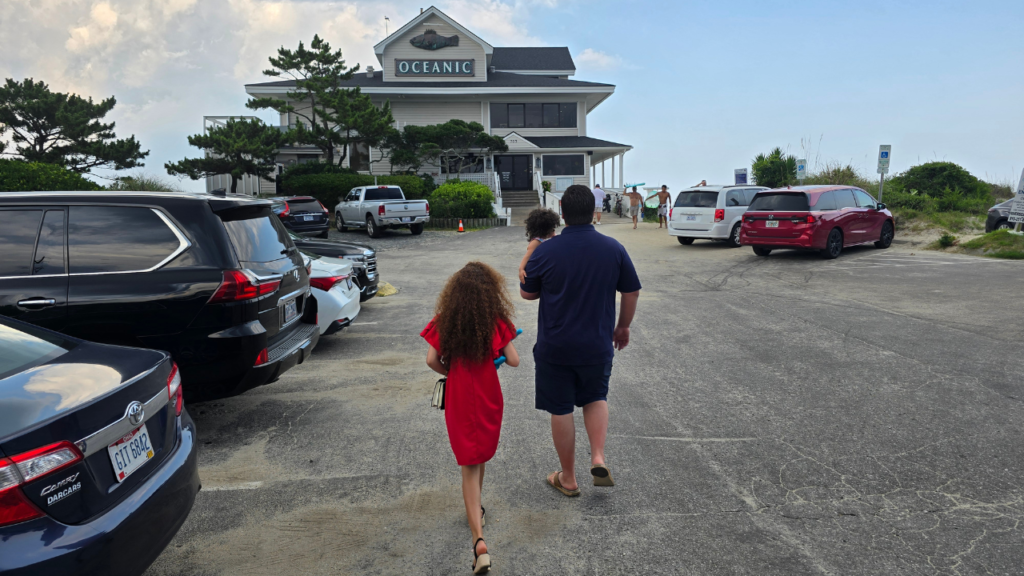
Beach Time Comes First
The beach should be your main activity. Plan one good beach session each day, either in the morning or later in the afternoon when the sun is lower. This keeps everyone happy without burning anyone out.
If you have younger kids, sound-side beaches are calmer and easier to manage. Ocean-side beaches give older kids more room to run and play in the waves.
Add One Activity Per Day
Beyond the beach, you should plan one additional activity, not more. Here is what I recommend rotating throughout the trip:
- Visit Jockey’s Ridge State Park for sand play and kite flying
- Explore a lighthouse or historic site
- Take a wild horse tour in Corolla
- Walk or bike through town boardwalks
- Visit the Wright Brothers National Memorial
You should spread these outings over the duration of the trip instead of packing everything into one day.
Keep Evenings Simple
Evenings work best when they are low-key. Cook at the rental, pick up casual takeout, or grill if your place allows it. After dinner, a short beach walk or ice cream run is usually enough.
This makes early bedtimes feel natural instead of forced.
3-Day vs 7-Day Outer Banks Stay
What a 3-Day Trip Looks Like
A three-day stay works best as a short reset, not a full area immersion.
Here is how I recommend using that time:
- Day 1: Arrive, shop for groceries, short beach visit
- Day 2: Beach time plus one planned activity
- Day 3: Morning beach time, then head home
With only three days, stay close to your rental and skip anything that requires long drives or reservations.
Why 7 Days Is Better
Seven days gives you a bit more breathing room. This is where the Outer Banks really shines.
With a full week, you can:
- Schedule rest days
- Adjust plans based on weather
- Spread activities out comfortably
- Let kids settle into the routine
If your schedule allows it, I almost always recommend a seven-day stay.
Best Time of Year to Visit
The best times to visit are late April through early June and September. The weather is comfortable, crowds are smaller, and prices are lower.
Peak season runs from mid-June through August. Everything is open, but prices are higher and traffic is heavier. If you visit during this time, book early and plan outings on weekdays when possible.
The off-season, from October through March, is quiet and affordable but limited in activities. This works better for older kids or relaxed trips.
Weekdays vs Weekends
Weekdays are easier. Roads are calmer. Beaches are quieter. Errands take less time.
If you can, plan your stay from Sunday through Friday. Saturdays are the busiest days because of rental turnover.
How to Budget Your Time and Money
Your biggest expenses will be your vehicle, lodging and food. Choosing good rentals and cooking most meals makes a noticeable difference in the overall cost of the vacation.
Many of the best experiences here are free. Beach days, nature walks, biking, and sunset watching usually become the highlights of the trip.
Traveling outside peak season and avoiding weekend arrivals are the easiest ways to save money.
Traveling Mindfully
The Outer Banks is a delicate coastal environment. Stay off dunes, respect wildlife, and clean up after yourselves. These habits protect the area and set a good example for kids.
Supporting local shops and choosing responsible tours also helps the community.
Final Guidance
The Outer Banks works when you let it slow you down. Plan one main thing each day. Leave space for rest. Use the beach as your anchor.
If you approach it this way, the Outer Banks becomes a destination you will want to return to, not recover from.
For more family beach vacation travel tips, checkout our resource hub packed with curated guides on activities, staying safe, where to eat and more! Be safe out there and enjoy!