


Family beach trips look magical on Instagram. Sunshine, laughter, perfect waves, perfect hair, not a grain of sand out of place. But any parent who has ever packed up the car with kids, beach essentials and three different emotional states knows the truth: beach days with children take planning, patience, and the right mindset.
After raising two girls, one in full-swing toddlerhood and the other tweenagering hard, and taking them to beaches across Bermuda, the Carolinas, and beyond, I’ve learned that smooth beach days don’t just happen. They are created. They are thought-out. And honestly, they are a little bit earned.
But when you get it right? Those days become some of your sweetest family memories. Tiny footprints in the sand, the sound of your children laughing in the waves, quiet moments under the umbrella, and the smell of sunscreen mixed with ocean breeze. Those are the moments we hold onto.
Here are 10 things every parent should know before taking their family to the beach, so you can walk into your day feeling prepared, confident, and ready to soak in every memory.
1. Arrive Early, It Makes Everything Easier
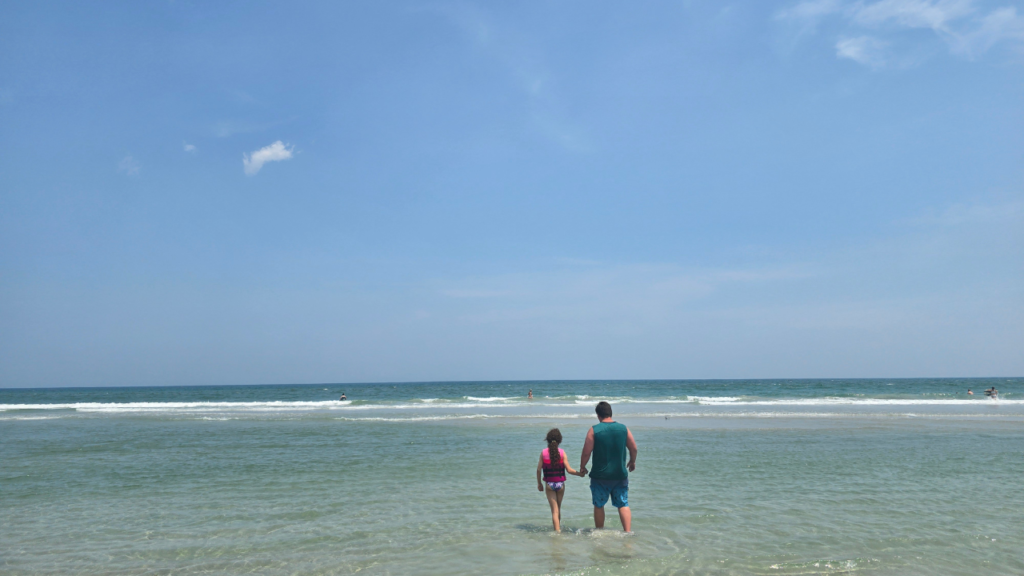
If you only take one thing from this article, let it be this: get there early.
Not “kind of early.” Not “beat a few cars” early. I mean golden hour early, when the sun is soft, the sand is cool, and the beach feels like it’s waking up with you.
Why early mornings are magic:
- You get easy parking
- You get first pick of where to set up
- Your kids are rested and in their best moods
- The sun is gentle on little ones
- The crowds haven’t arrived yet
Morning beach trips practically reset your nervous system as a parent. When my girls are rested, shaded, and fed early in the day, everything flows better. This alone cuts meltdown risk by half.
By noon, the sun is intense, the sand is scorching, everyone is hungrier, and parents start negotiating with themselves about when to pack up. Early mornings let you enjoy the beach before all that begins.
2. Shade Is Not Optional When Kids Are Involved
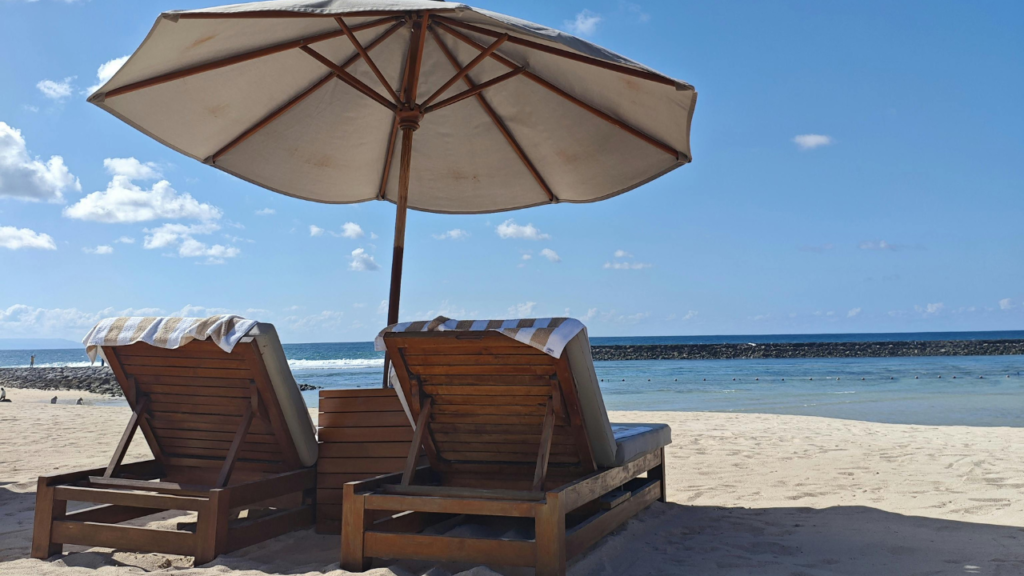
Babies and toddlers don’t play well with heat the way older kids do. Even my tween sometimes forgets how quickly the sun drains her energy. Shade becomes your family’s anchor point.
Your shade options include:
- Beach umbrellas
- Pop-up tents
- Cabana canopies
- A stroller canopy for backup
- A large blanket or towel for a “cool zone”
Think of your shade setup as your beach living room:
This is where snacks happen.
This is where breaks happen.
This is where babies nap.
This is where sunscreen battles resume every two hours.
Your day flows around your shade. A good setup means everyone has a safe, cool place to return to, and that makes exploring the beach feel more secure.
3. Sunscreen Is a Full-Time Job
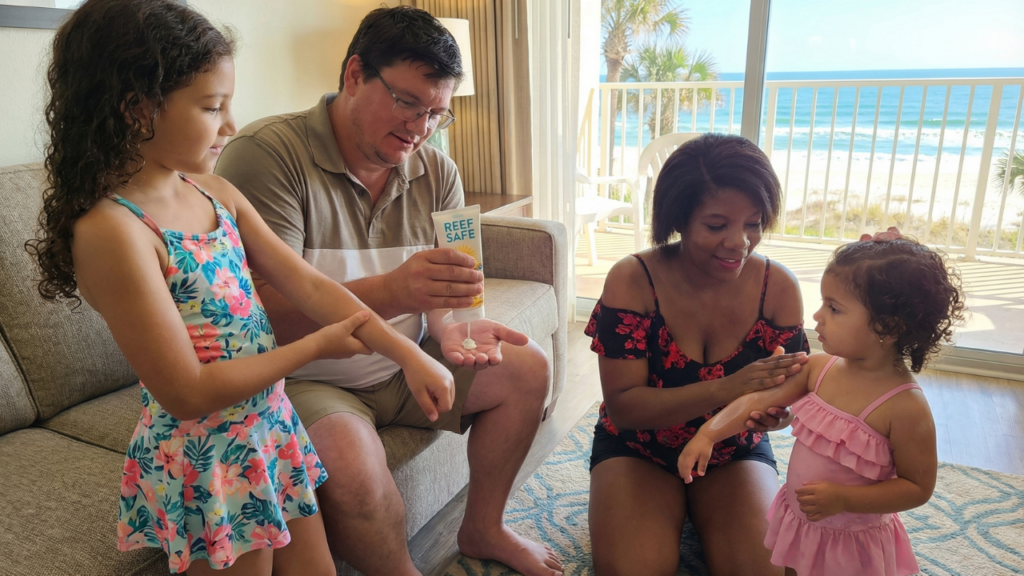
Sunscreen application is almost a sport when you’re a parent. You stretch, chase, block, negotiate, and sometimes even gently wrestle your children into staying still for 10 seconds.
You apply the first round before leaving the house. Then you reapply every two hours or more often if your kids turn the ocean into their personal water park.
What you actually need:
- Reef-safe sunscreen
- Mineral sunscreen for sensitive skin
- SPF lip balm
- After-sun lotion or aloe
- Hats
- Rash guards
- A parent-sized bottle of patience
I learned the hard way when my husband burned the bottoms of his feet walking on the hot sand at Wrightsville Beach, sunscreen isn’t just for shoulders and noses. Protect everything. Even the things you think won’t burn. Because apparently, feet burn too.
My kids sometimes resist sunscreen, but they always thank me later when they get to enjoy the entire beach day without discomfort.
4. Pack Like You’re Moving In (Because Kids Need Everything)

Packing light for a family beach trip? Couldn’t be me. And probably not you either.
Kids need things. Then they need backup things. Then they need a solution for the backup of the backup things.
A well-packed beach bag means fewer stressful moments and more time to relax.
What I always pack:
- Towels (two per child)
- Change of clothes
- Snacks
- Water bottles
- Toys
- Wipes
- Diapers (if applicable)
- Swim diapers
- Sun gear
- First-aid items
- Comfort items
- Sand-removal baby powder
- Personal items for myself
The trick isn’t packing less, it’s packing smarter.
Packing cubes, pouches, labeled bags, and a system where everything has a place makes the entire day feel effortless. Instead of digging through a mysterious sand-filled abyss, you reach into the exact pouch you need and pull out exactly what you were looking for.
5. Snacks and Hydration Prevent Meltdowns

Beach hunger hits DIFFERENT. My girls eat like they haven’t seen food in days whenever we’re at the beach.
Salt air + sun + physical activity = ravenous children. Ravenous children = tantrums, back-talking, frustration and more headaches! Save yourself(ves) an immense amount of stress and at the very least pack a couple granola bars. Here are some more good ideas.
Pack snack options such as:
- Fresh fruit
- Crackers
- Pretzels
- Pouches
- Granola bars
- Yogurt tubes
- Mini sandwiches
- Bento-style snack boxes
Hydration is just as important. With little ones, dehydration can sneak up quickly. Fill water bottles, freeze extras to use as ice packs, and offer sips often.
A fed child is a happy child. A hydrated parent is a patient parent. If you want more snack ideas, checkout the full post I did below.
6. The Ocean Has Its Own Rules, Teach Them Early
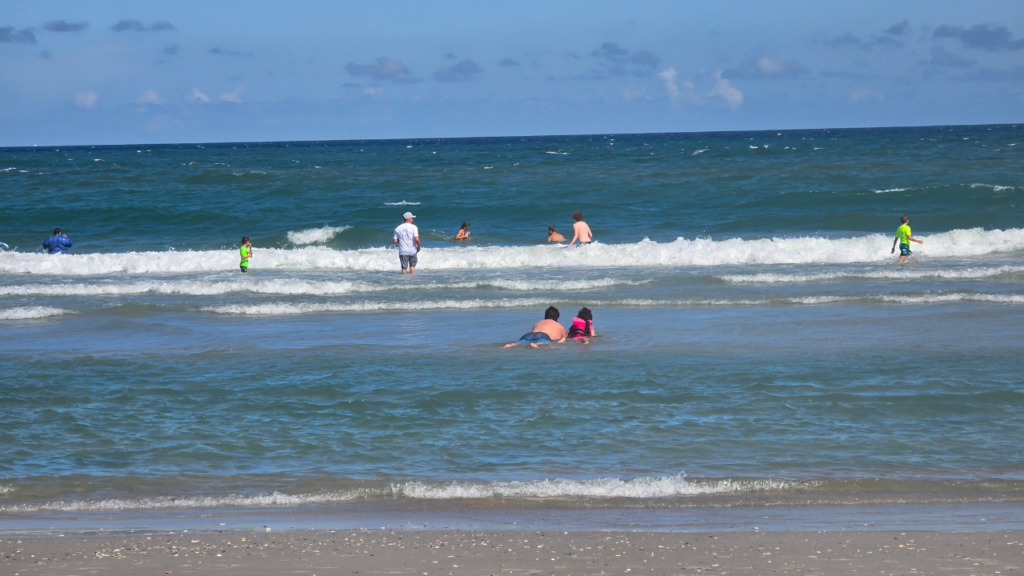
Even calm beaches can change quickly. Waves shift. Currents pick up. Kids lose their footing more easily than we think.
Teaching kids simple ocean safety empowers them without fear.
Rules we follow:
- Never turn your back to the waves
- Stay within arm’s reach
- Listen to the lifeguard
- Only go in when an adult is ready
- Understand from early on that the ocean moves you, not the other way around
I frame ocean safety as confidence-building, not scary. Kids feel braver when they understand what to look for and how to respond.
If you want some more tips on keeping your kids safe at the beach, checkout the post below.
7. Beach Toys Should Be Simple and Minimal

Honestly, the best beach toys cost a few dollars and require imagination, not batteries.
I know the temptation to bring everything, but this is the part where simplicity wins at the beach.
Great toys include:
- A shovel
- A bucket
- Sand molds
- A watering can
- A beach ball
- A small net for shell collecting
Kids gravitate toward open-ended play, not complicated gadgets. I’ve seen my girls spend an hour digging a hole and turning it into a “baby pool.” If you give them space and simple tools, their creativity takes over.
Here are some more activities that your kids can enjoy safely at the beach.
8. Sand Will Get Everywhere: Accept It Early
Sand is both fun and, well, disrespectful. It shows up in places you didn’t know you had while toddlers won’t have anything to do with it if they’re not shoving fist fulls in their mouth the second you turn your head.
Once you accept that sand is part of the experience, the day becomes easier but here are a few hacks that you can use to help:
- Baby powder for removal
- Microfiber cloths for cleaning
- A designated “clean zone” blanket for meals
- A hand-washing jug in the car for after-beach cleanup
Just remember, sand, albeit irritating at times, is temporary. The memories are forever, so don’t let it get the better of you and miss the moments that matter the most.
9. Plan for Downtime and Naptime
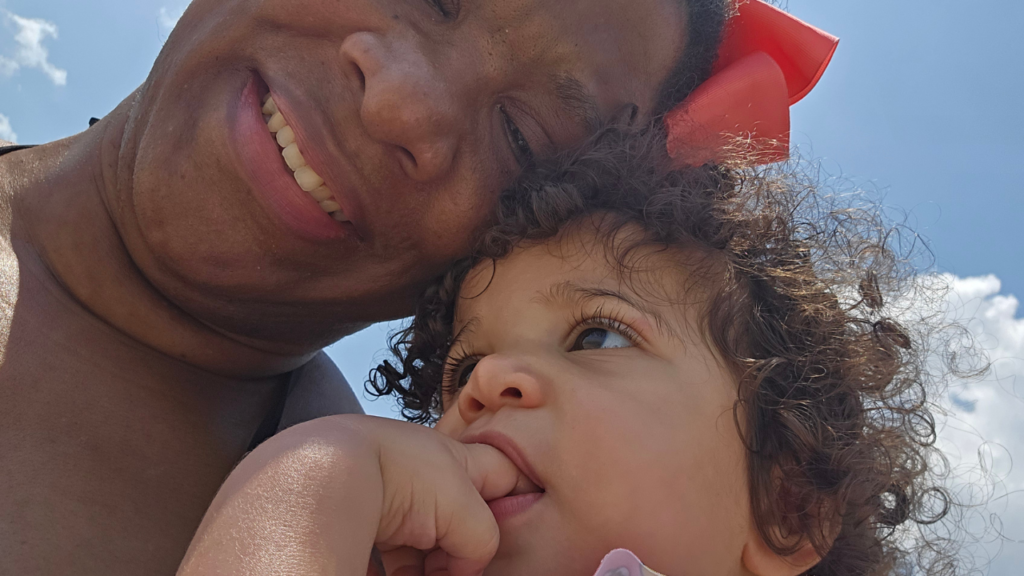
Even the most excited kids crash eventually. Sun + water + stimulation = sleepy little ones. Here’s what you can do.
Build breaks into your day:
- Under the umbrella
- In a pop-up tent
- On your lap with a snack
- With a book or quiet toy
- During a stroller walk
Both of my girls napped beautifully at the beach when they were toddlers since the waves act like nature’s white noise machine. But if your child doesn’t nap, that’s okay too. Rest time still resets their mood.
Slower moments make the fun moments even better.
10. Flexibility Is the Secret to Enjoying the Day
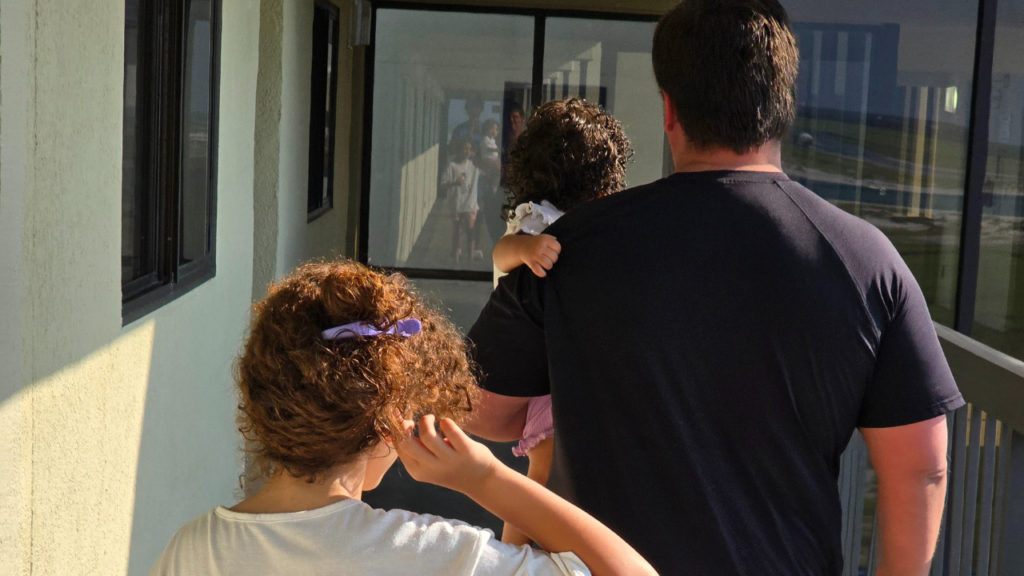
The beach teaches parents the art of letting go.
Maybe the baby doesn’t like the water.
Maybe your toddler becomes obsessed with one specific shovel.
Maybe your tween would rather collect shells than swim.
Maybe someone cries, someone spills a snack, someone needs a break, and someone wants to go home early.
That’s not a failed beach trip. That’s a family beach trip.
The goal isn’t perfection, it’s presence.
When you embrace flexibility, your day becomes about connection, not control.
Related Articles
- 10 Essentials for Your Family Beach Trip Packing Checklist
A complete guide to the must-have items every parent should bring to create an organized, stress-free beach day. - How To Pack the Perfect Beach Bag for a Day With Little Ones
Learn how to build a smarter, easier-to-manage beach bag system that keeps everything accessible when kids need things fast. - Managing Naptime and Breaks at the Beach With Young Children
Helpful strategies for supporting your baby’s or toddler’s natural rhythm so the beach day flows smoothly. - How To Protect Your Family From the Sun at the Beach
Tips for keeping your whole family safe from harsh UV rays, including eco-friendly product recommendations. - How To Keep Kids Safe While Enjoying the Beach
A parent-friendly guide to ocean awareness, safety habits, and confidence-building approaches for kids of all ages. - Best Beach Toys and Activities for Kids Aged 1–5
Discover simple, toddler-tested toys and activities that keep kids engaged without needing an entire wagon of gear. - Baby’s First Beach Trip: What Parents Need To Know
A gentle, informative guide for parents taking their baby to the beach for the first time. - Beach-Friendly Snacks and Meals for Toddlers and Kids
Food ideas that keep little ones happy, energized, and ready for more fun in the sun.
FAQ: What Every Parent Should Know Before a Family Beach Trip
What time of day is best for taking kids to the beach?
Early morning is ideal for families. The sun is gentler, crowds are minimal, and kids are usually better rested and more flexible. Late afternoon can work too, but mornings tend to be the most peaceful and safest for young children who tire easily.
How much shade do I really need for a beach trip with kids?
More than you think. Babies, toddlers, and even older kids benefit from steady shade throughout the day. A tent, umbrella, or cabana gives you a cool home base for snacks, breaks, and sunscreen reapplication. It also prevents overheating and keeps everyone calmer.
How often should I reapply sunscreen on my kids?
Every two hours is a good standard, and more often if your kids are swimming, sweating, or rolling around in sand. Apply a generous amount before you leave home, and keep sunscreen in an easy-to-reach pouch so you never have to dig for it. Hats and rash guards help extend protection.
What should I pack in a family beach bag?
You’ll want towels, wipes, snacks, toys, sunscreen, water bottles, first-aid essentials, changes of clothes, swim diapers if needed, and a few comfort items. Packing cubes or pouches help keep everything organized. When kids can’t wait, knowing exactly where things are makes your day smoother.
How do I keep my kids hydrated at the beach?
Offer water frequently, even if they don’t ask. Heat and activity increase dehydration risk, especially for little ones. Pack insulated bottles, refillable jugs, or frozen water bottles that double as mini ice packs in your cooler.
How can I teach my kids to be safe around the ocean?
Start with simple rules like staying within arm’s reach, never turning their back to the waves, and checking in frequently. Use age-appropriate explanations to build confidence without fear. Even strong swimmers need supervision, since waves and currents can shift quickly.
What beach toys are best for young kids?
Simple toys are best like a bucket, shovel, molds, watering can, or beach ball. Kids naturally find creative ways to play when they’re at the beach, especially with open-ended items. Too many toys become clutter. A few great ones become hours of fun. Click Here For More Toy Options
How do I manage sand with toddlers and babies?
You can’t avoid sand entirely, but you can make cleanup easier. Use baby powder or a microfiber cloth to remove sand from hands, feet, and legs. Designate a blanket as a “clean area” for eating or resting. Keep wipes, extra clothes, and plastic bags handy.
How long should a family beach trip last?
Two to four hours is usually perfect with little ones. Babies and toddlers have shorter attention spans and may tire easily from heat and stimulation. Older kids often last longer but still benefit from breaks and shade. Be flexible and follow your children’s cues.
What if the beach trip doesn’t go as planned?
That’s completely normal. The beach has its own personality, and kids do too. Some days they love the waves; other days they prefer the sand. Some days everyone melts down early, and some days you stay longer than expected. Flexibility is your best tool. Success isn’t measured by perfection, it’s measured by how present you are with your family.
Let the Beach Be a Place Where Your Family Slows Down and Connects
The beach has a beautiful way of reminding us what really matters. No matter how much we pack or plan, the day always comes down to the simple moments; salty hugs, sandy smiles, chubby toddler footprints and the sound of your kids laughing as the waves chase their toes. These are the memories that stay with you long after the sand has been shaken from your car and the towels have been washed.
As parents, we spend so much time preparing, anticipating, and troubleshooting. But when you step onto that sand with your family, give yourself permission to breathe. You’ve already done the hard part. Now it’s time to let the day unfold. Some moments will be picture-perfect, and others will be unpredictable, but every moment is part of YOUR family’s story.
Ready to Make Your Next Family Beach Trip Stress-Free and Memorable?
Explore more guides designed to help you plan smarter, pack easier, and enjoy deeper connection with your kids at the beach.