



Spring break at the beach looks carefree in pictures. Sunshine. Sand. Happy kids running toward the water. But as a mom who has traveled alone with a young daughter, traveled with two girls at different ages, and vacationed as a family of four with a toddler and a tween, I can tell you this: beach safety during spring break is about preparation, awareness, and staying present.
Spring break beaches are different from summer beaches. The crowds can spike unexpectedly. The weather can shift quickly. The water can be colder than it looks. And when you are managing kids at different stages, safety needs to be layered and intentional.
Here are the practical, real-world safety tips that have helped me protect my children while still enjoying the beach and travelling in general.
TL;DR: Safety Tips For Families Visiting The Beach During Spring Break
Safety Tips For Families Visiting The Beach During Spring Break focus on staying flexible, prepared, and weather-aware. Spring conditions can shift quickly, so pack layers, watch changing tides, follow posted flags, and stay close together in crowds. Supervise children at all times, especially near cooler or unpredictable water. A little preparation helps your family enjoy a safe, relaxed spring beach trip without unnecessary stress.
Summarize With AI
Choose Your Beach Setup Spot Wisely

Where you set up matters more than most people realize. I always look for a location that is clearly visible from multiple angles and not tucked too close to busy walkways or large groups. Being slightly elevated on the sand gives you a better line of sight.
When traveling alone with one child, I position myself so I can see both the shoreline and our belongings without turning my back. With two children, especially when one is a toddler, I choose a spot closer to lifeguard stations if available. Visibility reduces stress.
Safety Focus:
- Stay within sight of lifeguards when possible
- Avoid crowded, high-traffic zones
- Choose open, visible areas
- Set up facing the water
- Keep your base consistent so kids know where to return
Establish Clear Water Boundaries
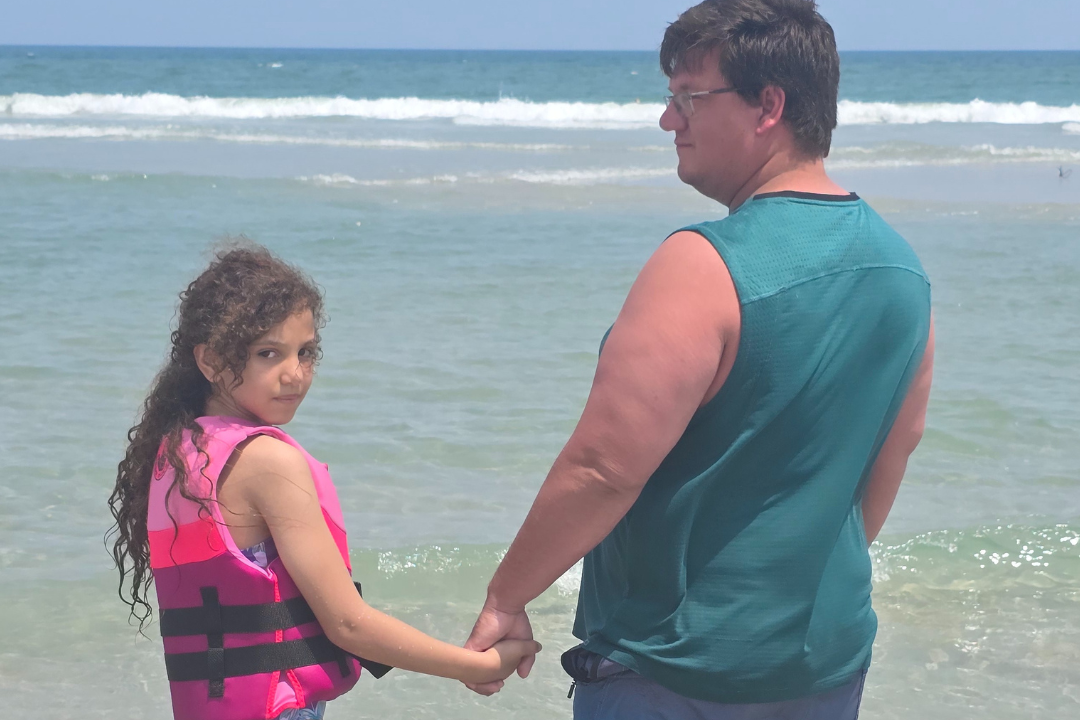
Before anyone steps into the water, I explain the boundaries. With a toddler, it is simple: water play happens only when I am physically right there. With my older child, we set distance limits like “no deeper than your waist” or “stay between these markers.”
Spring break waters can look calm but still have rip currents or sudden drop-offs. Water temperature can also affect stamina. Shorter, supervised sessions are always safer.
Safety Focus:
- Define how far kids can go
- Keep toddlers within arm’s reach
- Limit time in cooler water
- Watch for changing currents
- Recheck boundaries as tides shift
Dress For Changing Spring Weather

Spring weather is unpredictable. I have experienced bright sun followed by strong wind within an hour. That is why I always pack layers, even when the forecast looks warm.
Light jackets, hoodies, and dry towels are essential. Cold kids make rushed decisions, and rushed decisions create safety risks. Comfortable kids stay calmer and listen better.
Safety Focus:
- Pack light layers
- Bring dry clothing
- Use hats for wind protection
- Keep extra towels handy
- Check forecasts but plan for shifts
Sun Safety Even On Cloudy Days
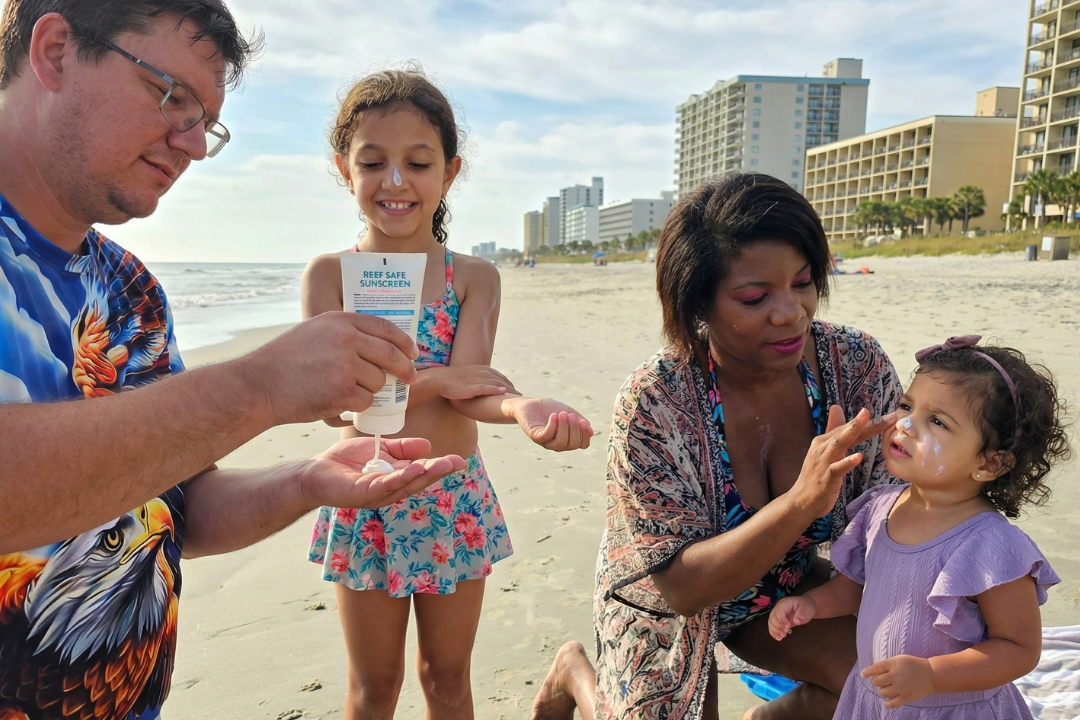
Spring sun can be deceptive. It feels mild, but UV exposure is still strong. I apply sunscreen before we leave the room and reapply consistently, especially after water play.
Hats and rash guards are part of our routine. Shade breaks are scheduled, not optional. Preventing sunburn prevents discomfort and irritability.
Safety Focus:
- Apply sunscreen before arrival
- Reapply every two hours
- Use hats and rash guards
- Take shade breaks
- Keep toddlers covered during peak sun
For more sun safety tips, checkout our full guide by clicking the button below.
Plan Bathroom Access Before It Is Urgent

With toddlers especially, timing matters. I always know where the closest restroom is before we fully settle in. Walking across a crowded beach with a toddler who urgently needs a bathroom is stressful and unsafe.
For older kids, I set a rule that bathroom trips are communicated clearly and done together when possible. No wandering off alone.
Safety Focus:
- Locate restrooms early
- Schedule bathroom breaks
- Walk together when possible
- Avoid isolated areas
- Keep transitions calm
Keep Hydration Front And Center
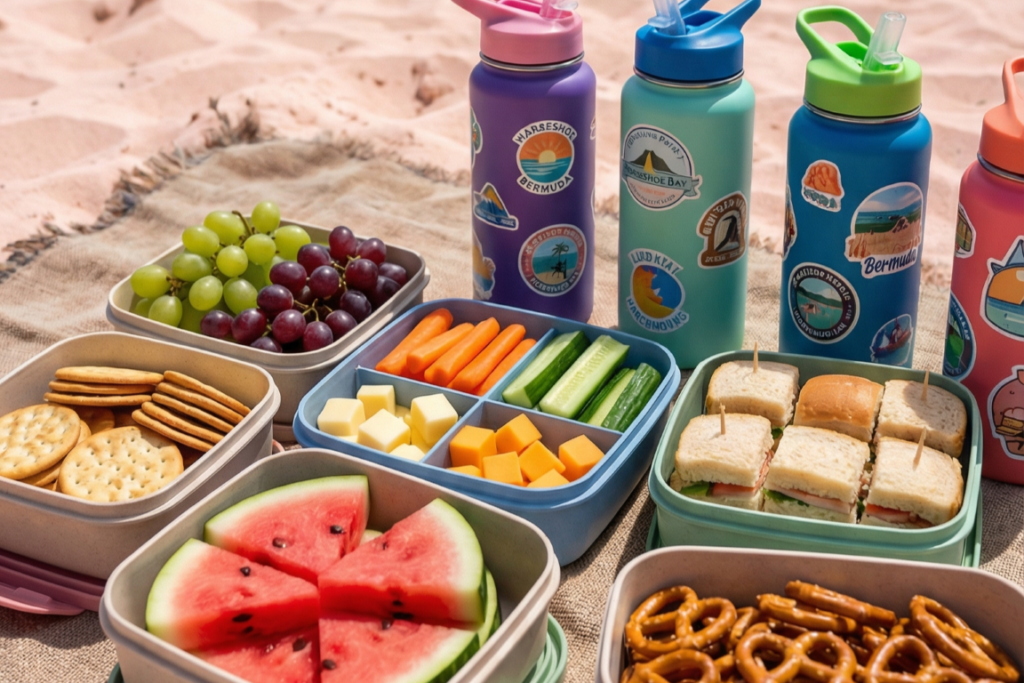
Between excitement and play, kids forget to drink water. I do not wait for them to ask. I offer water regularly and build hydration into snack breaks.
Spring breezes can hide how much kids are sweating. Dehydration sneaks up quickly. Balanced snacks and water keep energy steady and reduce meltdowns.
Safety Focus:
- Bring refillable water bottles
- Offer water proactively
- Pair hydration with snack breaks
- Avoid excessive sugary drinks
- Watch for fatigue signs
Do you struggle with your kids drinking water or just want some healthy snack ideas for beach days? Checkout our Top 10 Beach Snacks for Toddlers & Kids attached to the button below.
Create A Family Meeting Plan
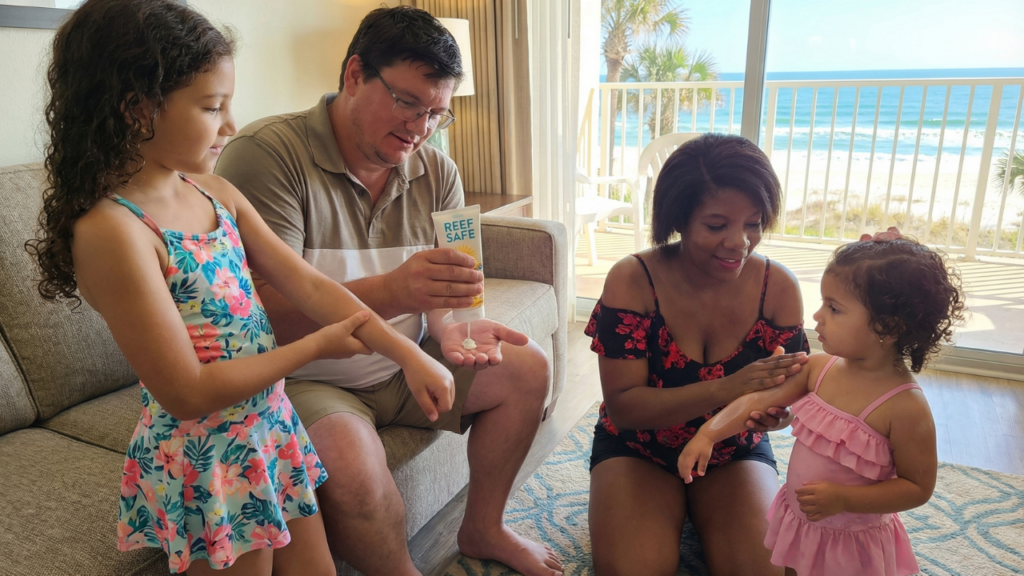
Spring break beaches can get crowded fast. I teach my children what to do if we get separated. For my toddler, separation prevention is the strategy. For my tween, we identify a visible landmark like a lifeguard stand.
We practice the plan before it is ever needed. Knowing what to do lowers panic for everyone.
Safety Focus:
- Identify a meeting landmark
- Teach kids to approach lifeguards
- Avoid wandering in crowds
- Keep consistent beach base
- Review the plan each day
Monitor Crowds And Energy Levels
As a mom, I constantly scan the environment. Spring break can bring college crowds to certain beaches. I research destinations carefully and choose family-oriented areas.
Energy levels matter too. When kids are overtired, listening decreases. We build rest time into the day on purpose.
Safety Focus:
- Choose family-friendly beaches
- Avoid high party zones
- Take midday rest breaks
- Leave before exhaustion sets in
- Trust your instincts
Respect Ocean Conditions

Even on calm-looking days, spring tides and rip currents can shift quickly. I always check local surf reports and flags. If conditions look questionable, we shift to sand activities.
There is no pressure to swim. The beach offers plenty to do without going deep into the water.
Safety Focus:
- Check flag warnings
- Avoid swimming alone
- Observe wave patterns
- Stay shallow when unsure
- Prioritize safety over schedule
Keep Valuables Secure And Minimized
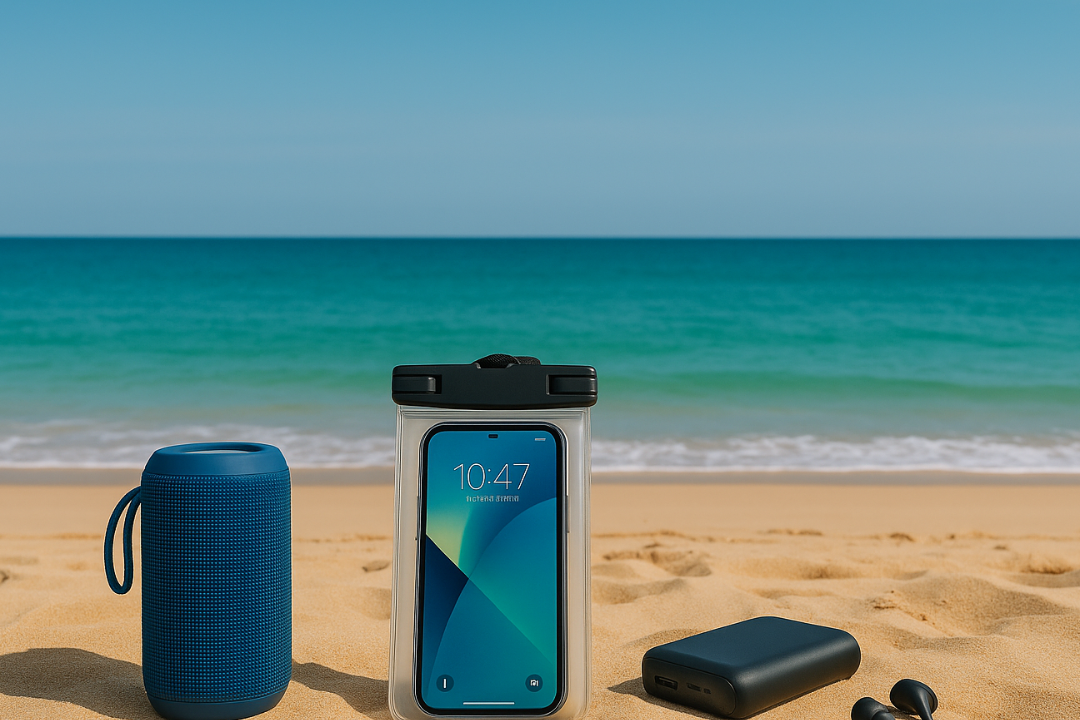
Traveling alone with a child taught me to simplify. I bring only what we need. Valuables stay in waterproof pouches close to me.
With two kids, less gear equals fewer distractions. When you are not worrying about belongings, you can focus on your children.
Safety Focus:
- Pack light
- Use secure pouches
- Keep essentials nearby
- Avoid leaving items unattended
- Stay present
If you’re looking for more Beach Safety Tips for Families With Kids, young & older, checkout our safety resource center. The button below will forward you there.
FAQ: Safety Tips For Families Visiting The Beach During Spring Break
What are the most important beach safety tips for families during spring break?
The most important safety tips include checking weather conditions, watching for rip current flags, staying within designated swim areas, applying sunscreen regularly, and keeping children within arm’s reach near water. Spring weather can change quickly, so awareness is key. Always choose beaches with lifeguards when possible. Looking for more safety tips for when your family visits the beach? Checkout our guide on Essential Beach Safety Tips for Families here
Are rip currents more common during spring break?
Rip currents can occur at any time of year, but spring storms and shifting tides can increase risk in some areas. Always look for posted warning flags and talk to lifeguards before entering the water. Teach older children how to float and signal for help instead of fighting a current. You can checkout our article on rip currents here to learn more about them
How can I keep toddlers safe at the beach?
Keep toddlers within arm’s reach at all times near water. Set up your beach area slightly back from the shoreline to prevent sudden wave surprises. Use bright swimwear for visibility and establish clear boundaries for where they can play.
Is the ocean too cold for kids during spring break?
Water temperatures vary by location. In some destinations, spring water can still be cool. Short, supervised swim sessions are best if temperatures feel brisk. Focus on land-based activities if the water feels uncomfortable.
What should families do if weather changes suddenly at the beach?
Spring weather can shift quickly. Monitor forecasts before heading out. If winds pick up or storms approach, pack up immediately and seek shelter. Lightning means leaving the beach right away.
How do I prevent sunburn during spring break at the beach?
Spring sun can be strong even when temperatures feel mild. Apply broad-spectrum sunscreen 15–20 minutes before sun exposure and reapply every two hours. Use hats, UV-protective clothing, and shade breaks throughout the day. Learn more about protecting your family in the sun here.
Are lifeguards available during spring break?
Many popular beaches staff lifeguards during spring break, but this depends on the location and exact dates. Check the beach’s official website or signage. Even with lifeguards present, active supervision is always necessary.
How can families avoid overcrowded beach areas during spring break?
Arrive early in the morning or later in the afternoon to avoid peak crowds. Choose beaches known for wider shorelines or less tourist traffic. Setting up away from busy access points can also reduce congestion.
What are safe hydration tips for kids at the beach?
Bring plenty of water and encourage regular drinking breaks, even if children say they are not thirsty. Spring breezes can mask dehydration. Pair water breaks with snack times to keep energy stable.
How can I prepare older kids for beach safety?
Review safety rules before arriving. Discuss staying within sight, respecting warning flags, and swimming only in designated areas. Empower them with knowledge so they feel confident but understand boundaries.
Beach Safety Is About Awareness, Not Fear
Safety during spring break is not about being anxious. It is about being attentive. When I travel alone with one daughter, I move intentionally. When I travel with both girls, I adjust to their different needs. When we travel as a family of four, we divide responsibility and do our best to communicate clearly.
Beach days are some of our favorite memories. But they are enjoyable because we plan ahead, set boundaries, and stay aware.
Spring break is short. You want it to feel refreshing and joyful. With thoughtful safety practices, it can be exactly that.
Ready to keep planning?
Visit our Family Beach Travel Hub to explore more family-friendly beach destinations, practical planning tips, and real-world travel guidance designed for parents.