



Beach days with little ones can feel like a beautiful mix of excitement and unpredictability. Young children adore the sand, the waves, the breeze, and the freedom, but they also get tired quickly, overstimulated easily, and absolutely need rest to keep the day joyful instead of chaotic. As a mom who has raised one daughter through the toddler beach years and is now doing it again with my youngest, I’ve learned that successful beach days are built around breaks, not just activities.
Toddlers don’t magically stop needing naps just because we’re near the ocean. And anyone who’s tried to push through without one knows that an overtired toddler can turn a dreamy beach day into a fast-track meltdown. But with the right rhythms, tools, and expectations, beach naps and rest breaks become peaceful pauses that help your child (and you!) enjoy the experience longer.
Here is your complete guide to managing naptime and breaks at the beach, based on years of firsthand experience, trial, error, and those unforgettable parenting moments you only appreciate once everyone is finally asleep.
1. Build a Shaded Rest Zone Before You Even Need It

The biggest secret to peaceful beach breaks is preparing a “rest zone” as soon as you set up, not after your child is tired. Once toddlers hit that overtired wall, you’re already behind. Creating a cozy, cool, shaded space early gives them the option to take a break the moment they feel overwhelmed.
Great rest-zone options include:
- A pop-up tent with mesh sides
- A large umbrella or canopy
- A stroller with extended shade
- A beach cabana with good airflow
With my toddler, the pop-up tent is a lifesaver. She treats it like her private beach bungalow, crawling in and out with snacks, books, and her blanket until she eventually slows down enough to nap. My older daughter used to curl up under the umbrella and fall asleep listening to the waves, something I deeply treasure now that she’s a tween.
A pre-set rest zone sends the message: rest is available, not forced. Toddlers respond beautifully to that.
2. Follow Your Child’s Natural Rhythm Instead of the Clock

On beach days, your normal nap schedule may shift a little. And that’s okay. The beach stimulates all the senses:
- The sound of the waves
- The bright sun
- The endless movement
- The texture of the sand
It all heightens your child’s excitement and energy. Instead of watching the clock, watch your child. They will tell you when they need a break.
Signs your toddler needs rest:
- Slower movements
- Clinginess
- Crankiness or frustration
- Rubbing eyes
- Asking to be held
- Refusing to play
Both of my girls, in their toddler years, became noticeably softer and slower right before naptime. With experience, you’ll start to notice patterns too.
3. Comfort Items Make Beach Naps Much More Successful
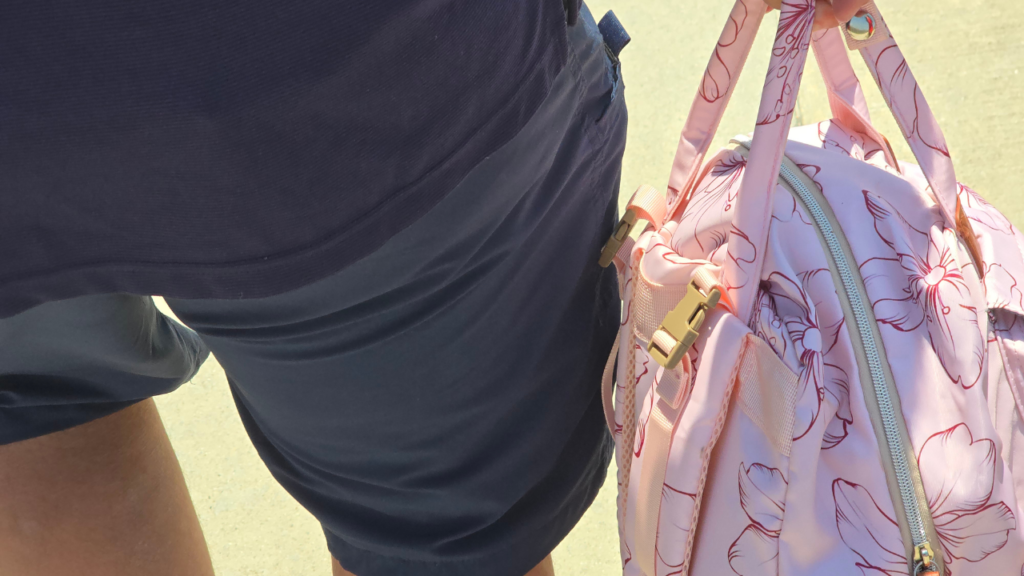
Young children nap best when they feel familiar comfort. Bringing a few items from home can transform the beach into a safe space for rest.
Helpful comfort items include:
- Their favorite small blanket
- A stuffed animal
- A pacifier
- A white-noise app or calming playlist
- A familiar book
When my toddler cuddles her blanket in the beach tent, she instantly relaxes. Familiarity softens the overwhelming parts of the environment. My oldest used to fall asleep listening to her favorite lullabies, with the ocean adding a gentle rhythm in the background.
These small things signal to your child: It’s okay to rest now.
4. Use Transition Activities to Help Kids Wind Down
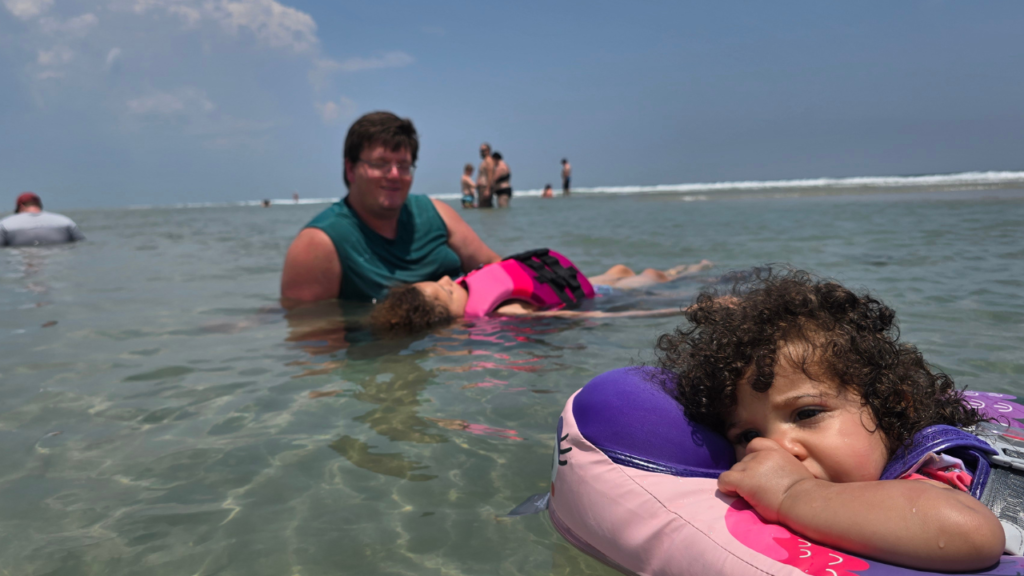
Toddlers rarely go from full-on sandcastle energy straight into nap mode, especially at the beach. They need a gentle transition.
Wind-down ideas that work beautifully:
- Snuggling in the shade after a snack
- Reading a short book
- Watching the waves
- Doing quiet sand play
- Listening to a soft song
- Drinking water slowly
Toddlers move fast, but they can also melt into calmness if we guide them. My toddler often falls asleep mid-snuggle, while my tween used to drift off if I read to her softly under the umbrella.
5. Embrace Stroller Naps and Carrier Naps
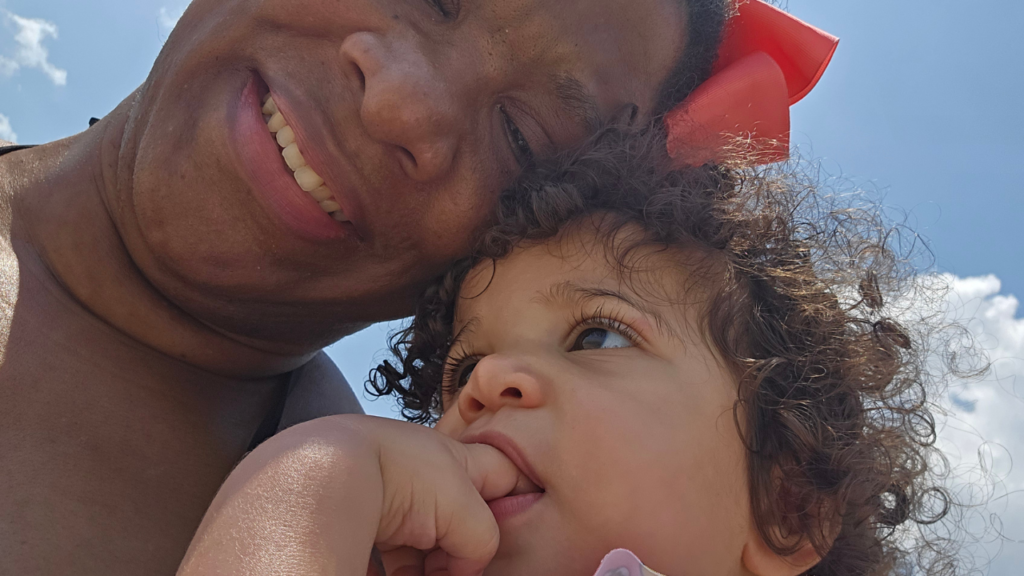
Beach naps don’t always happen in the tent and that’s completely okay. Some toddlers sleep best with movement.
A stroller nap might be perfect if:
- Your child is too stimulated to settle
- They nap best while moving
- You want a peaceful walk along the shoreline
For my oldest, stroller naps were a lifesaver. She slept deeply with the breeze on her face. My toddler, on the other hand, often falls asleep in the carrier while I walk slowly. It becomes a calming moment for both of us.
A moving nap still counts. Don’t stress about perfection.
6. Schedule Breaks Based on Heat, Not Just Fatigue

Rest breaks are not only about naps, they’re about keeping your child safe and comfortable. Beaches heat up quickly, and little bodies overheat faster than adults.
Plan breaks around:
- Mid-morning sun intensifying
- The hottest hours of the afternoon
- Your child’s energy dips
- When the sand becomes too hot
My husband once burned the bottoms of his feet in June at Wrightsville Beach, a lesson for all of us in how quickly heat sneaks up. Since then, we take scheduled shade breaks whether the kids feel tired or not.
Breaks protect kids from sun fatigue and help them stay regulated.
7. Pack Intentionally So Break Time Stays Peaceful

Nothing disrupts a peaceful break like digging through bags for wipes or snacks. Toddlers don’t have the patience for that chaos, and honestly, neither do parents.
Your “rest-time toolkit” should include:
- A pouch with snacks
- A pouch with wipes and sanitizer
- A clean towel designated for naps only
- A smaller cooler pocket for drinks
- A change of clothes (toddlers love spilling everything during rest time)
- Cooling wipes or a mini fan
When everything is organized, rest moments become calm and smooth instead of stressful.
8. Expect That Beach Naps Will Look Different
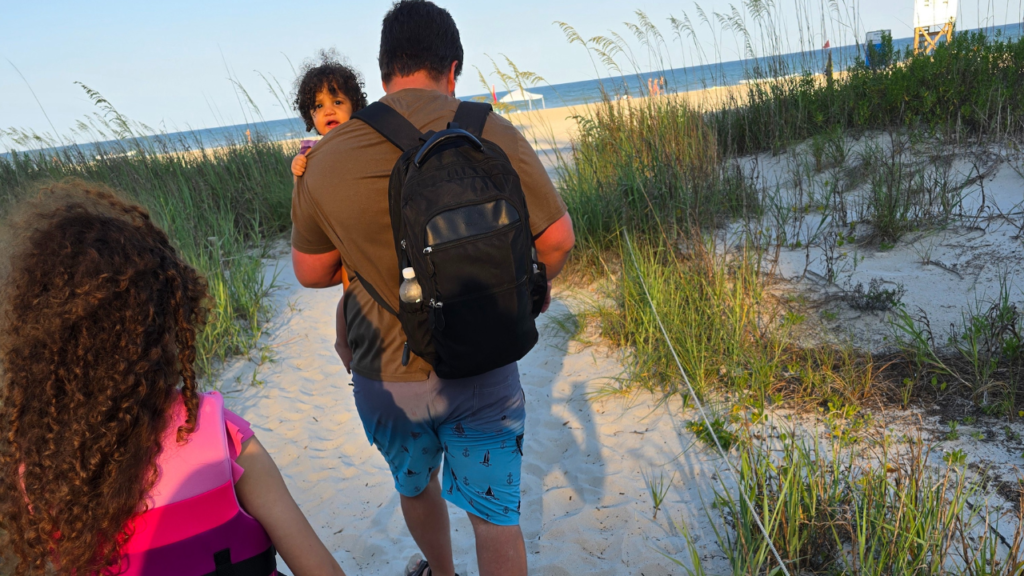
A beach nap might not mirror your child’s regular nap at home, and that’s normal. Sometimes naps are shorter. Sometimes deeper. Sometimes broken into two mini-naps instead of one long one.
Beach naps may be:
- Short power naps
- Long deep relaxations
- Stroller naps
- Tent naps
- “Dozing on your chest” naps
Perfection is not the goal. Comfort is. If your child recharges enough to enjoy the rest of the day, the nap did its job.
My toddler has had 20-minute beach naps that felt like magic resets. My oldest used to sleep nearly an hour under the umbrella. Both were right for their age and energy level.
9. Rotate Play and Rest to Prevent Overstimulation
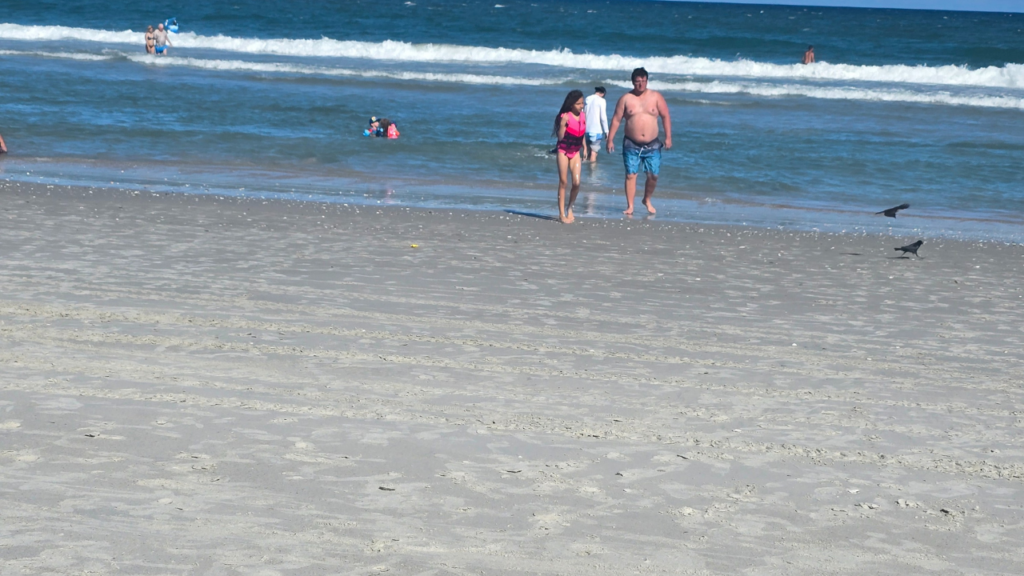
The beach is exciting, sometimes too exciting. Rotating play with breaks helps toddlers stay balanced emotionally and physically.
A simple rhythm that works well:
Play → Snack → Shade → Play → Hydrate → Wind-down → Nap → Play
This structure has saved us many times, especially when our girls needed very different kinds of support. It keeps the day flowing instead of feeling chaotic.
10. Turn Rest Time Into Part of the Beach Experience
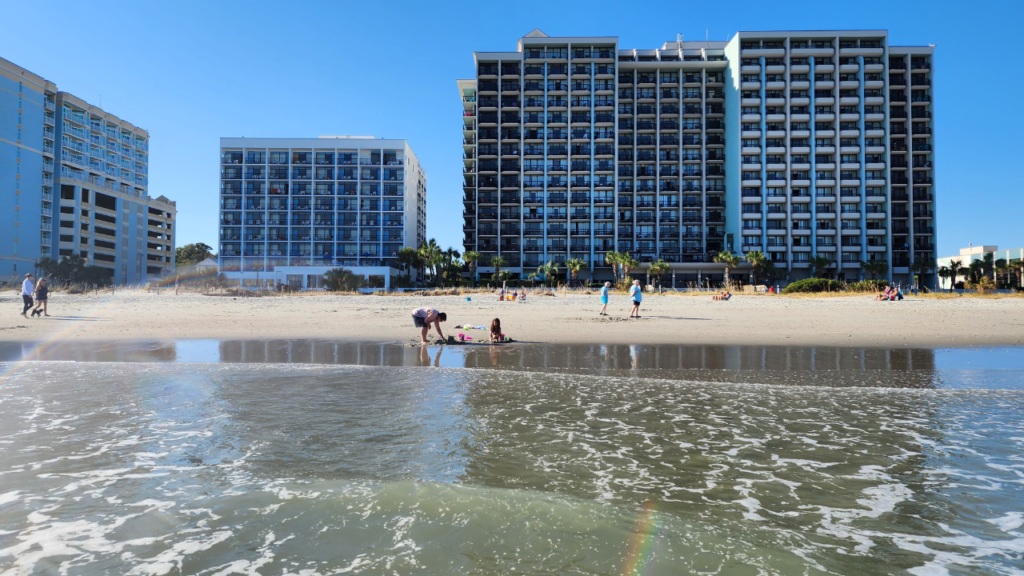
Rest shouldn’t feel like intermission. It can be part of the beauty of the day.
Some of our sweetest beach memories happened during breaks:
- Sharing orange slices in the shade
- Watching clouds drift over the water
- Listening to waves together
- Telling little stories before nap time
- Snuggling under a beach blanket
The beach has a natural way of slowing time. Embracing those quiet moments, even if they’re different from home routines, helps you enjoy the day fully.
FAQ: Managing Naptime and Breaks at the Beach With Young Children
How do I help my toddler nap at the beach when everything is so distracting
Start with a shaded, cozy rest zone and use familiar comfort items. The beach overstimulates toddlers, so they need a predictable, calming setup. When my youngest gets overstimulated, a quick snack, a quiet song, and a snuggle in the tent help her settle. Toddlers rarely fall asleep instantly, they need a transition.
What if my child refuses to nap at the beach?
This happens often, even with the best preparation. If your toddler doesn’t nap, aim for quiet rest instead: sitting under the umbrella, sipping water, reading a short book, or snuggling for a few minutes. My oldest sometimes skipped naps entirely but still reset after 10–15 minutes of quiet time. A rest is still a win.
How long should beach naps be?
Beach naps vary widely. Some toddlers nap 20–30 minutes, others an hour or more. Both of my girls napped differently depending on the day, heat, and activity level. The goal isn’t matching their home nap, it’s giving their little bodies enough rest to enjoy the rest of the day.
Is it safe for toddlers to nap in a tent on the beach?
Yes, as long as you create a cool, shaded space with proper airflow and stay nearby. A beach tent with mesh sides works beautifully. I also rotate the shade as the sun shifts to prevent overheating. Always check your child’s temperature and comfort during naps. Never leave them unsupervised and if it is too hot or they are too uncomfortable, go indoors.
How do I know when my toddler needs a break before a meltdown happens?
Look for signs like slowing down, rubbing eyes, suddenly getting clingy, cranky, or easily overwhelmed. With both my girls, I learned that the “pre-meltdown” cues were subtle but consistent. Breaks go much smoother when taken early, not after a child is already exhausted.
Should I keep the same nap schedule at the beach as at home?
Don’t expect it. The beach naturally shifts routines. Instead of sticking to exact times, follow your child’s cues and aim for rhythm instead of precision. When I relaxed my expectations, naps became easier and our entire day felt calmer.
What if my toddler only naps in the stroller or carrier?
That’s completely fine. Beach naps don’t need to happen in the same place every time. My oldest took most of her beach naps in the stroller while we walked the boardwalk. My toddler sometimes naps best in the carrier during a slow, quiet walk. Movement can help overstimulated little ones unwind.
How can I keep my toddler cool enough to nap?
Shade, airflow, hydration, and breathable fabrics make a big difference. I also use cooling wipes and keep frozen water bottles in the cooler to place near the rest zone for added coolness. Toddlers sleep better when they’re not overheated, especially during the midday sun.
How often should we take breaks even if my child isn’t tired yet?
Every 45–90 minutes, depending on age. Breaks prevent heat exhaustion, tantrums, and overstimulation. We take natural breaks for water, snacks, shade, and reapplying sunscreen, it keeps the day peaceful and predictable for everyone.
What’s the best way to transition kids back to play after a nap or break?
Start slow. Offer water, reapply sunscreen, and give them a few minutes to wake up fully. My toddler usually needs a quick cuddle, while my tween liked easing back in with quiet sand play before running into the waves again. Gentle transitions keep moods balanced.
Related Articles
- 10 Essentials for Your Family Beach Trip Packing Checklist
Stay organized and ready for every moment — from naps to snacks to sunscreen reapplication — with a parent-proof packing system. - How To Keep Kids Safe While Enjoying the Beach
Learn the essential safety habits that help toddlers and young children explore the beach confidently while keeping stress levels low. - How To Protect Your Family From the Sun at the Beach
A practical guide to sun safety routines, eco-friendly sunscreen choices, and strategies that protect your child’s skin during all-day outings. - Best Beach Toys and Activities for Kids Aged 1–5
Discover engaging, toddler-approved toys and activities that encourage creativity, independence, and peaceful play between naps. - Beach-Friendly Snacks and Meals for Toddlers and Kids
Fill your beach bag with easy, kid-loved, belly-friendly foods that make rest time smoother and keep energy levels balanced throughout the day. - Teach Kids Simple Ocean Awareness: Empower Them Without Fear
Help your toddler or young child better understand the water’s behavior so they feel confident, calm, and prepared in the ocean environment. - Tips for Finding Accommodations Near Family-Oriented Beaches
Plan family beach trips with ease by choosing stays that support nap schedules, shade access, quick cleanups, and stress-free transitions.
Conclusion: Rest Is What Makes the Magic Last
Beach days with young children are full of sunshine, surprises, and tiny moments you wish you could bottle up. But none of that feels magical when little ones are overtired, overwhelmed, or running on empty. As a mom who has navigated the beach with two toddlers, once years ago and once again now, I’ve learned that rest is not a disruption. It’s the anchor that holds the whole day together.
When you create space for your child to slow down, breathe, and reset, the beach becomes more than a place to play. It becomes a place to connect, to recharge, and to share those cozy moments under the umbrella that make family memories feel so sweet. Whether your toddler naps in the tent, dozes in the stroller, or curls up in your lap while the waves whisper in the background, these pauses are part of the joy.
Give yourself permission to build breaks into the day. Let rest be a rhythm instead of a battle. The more supported your child feels, the more relaxed and present you get to be. And that’s when the magic really happens.
Ready to Make Your Family Beach Days Smoother and More Joyful?
Explore more guides that help you travel with confidence, stay organized, and enjoy every moment with your little ones.