

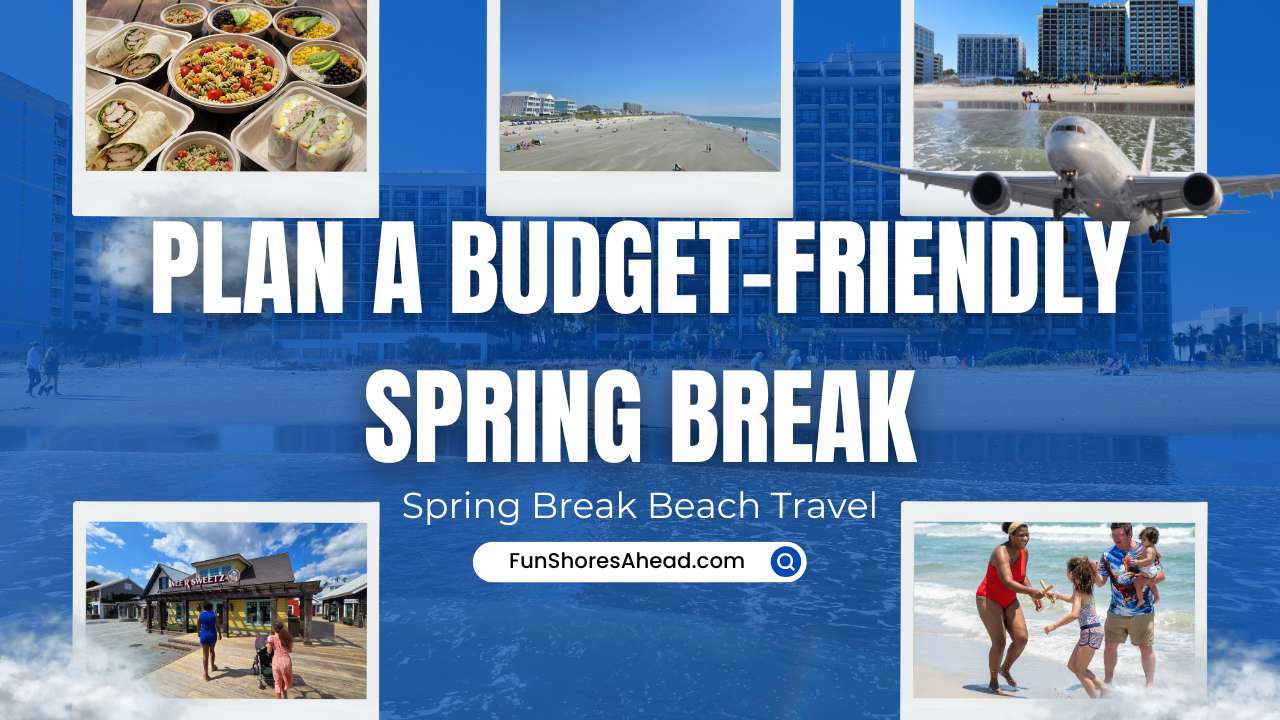

Planning a spring break beach trip with kids can feel like a tug-of-war between your budget and your heart. You want the memories, the photos, the laughs, and the deep exhale that comes with a change of scenery, but you also have to protect your budget because bills don’t take time off.
I have traveled with my children since they were babies and now as they are older, and the biggest lesson I’ve learned is that budget-friendly is not a “less fun” vacation. It is a vacation with intention, where you decide what matters most and put your money there. Theme parks, shopping, and expensive add-ons can absolutely be part of spring break, but they do not have to be the whole trip. You can build a trip that includes one big day and several simple days.
You can also build a trip that is mostly beach time and still feels like a real vacation. There is no shame in a simple trip that prioritizes quality time. There is also no shame in splurging on one experience when it fits your plan. What matters is that you take action and stop waiting for the “perfect” time.
Even saving a little is still saving and planning a small trip is still traveling. Now let’s talk about how you can make your family vacation affordable and doable.
TL;DR: How To Plan A Budget-Friendly Spring Break Beach Trip With Kids
This guide shows you how to plan a budget-friendly spring break beach trip with kids using simple priorities, smart timing, and low-cost fun that still feels like a real vacation. You’ll learn where to save, when to splurge, and how to take action even if you can only set aside a little. The goal is a trip built around family connection, not pressure or perfection.
Summarize With AI
Set Your “A Or B” Priorities Before You Spend A Dollar
The fastest way to overspend is to plan emotionally and budget later. Before you book anything, decide what your family cares about most this trip. For example:
- Do you want oceanfront convenience, or do you want extra cash for activities.
- Do you want a longer stay, or do you want the nicest room you can afford.
- Do you want to eat out a lot, or do you want one special meal and keep the rest simple.
This is where the “do you want A or do you want B” mindset saves you. It is not about deprivation, it is about choosing on purpose. Families get into trouble when they try to say yes to everything at once. That is when the budget starts leaking from every corner. When you choose priorities first, every decision gets easier.
You stop feeling pressured by what other people are doing and you stop adding extras just because you are already spending. You protect your peace and your wallet at the same time. Your kids will remember the feeling of the trip more than the list of things you bought. Start by writing two columns, A and B, and list what matters most. Then build the trip around that.
Shift Your Travel Days To Avoid Peak Pricing

Spring break prices jump when everyone arrives and leaves on the same days. If you can shift your travel days by even one day, you can often save real money. Arriving on a weekday is usually cheaper than arriving on a Friday or Saturday. Leaving midweek can also reduce lodging costs.
If you are driving, off-peak days often mean less traffic and fewer stops. Fewer stops usually means less spending on snacks and random “we’re bored” purchases. That matters more than people realize. Traveling when roads are calmer also reduces stress for parents. A smoother travel day sets the tone for the whole trip.
Even if your school system has set break dates, you often still have flexibility inside that window. Compare prices for two different arrival dates before you commit. You may be surprised by the difference for the same location. This strategy works especially well if you are staying at a resort or hotel.
Saving $50 to $150 on lodging can cover a whole activity day later. A small change can create a big cushion. Look at the calendar and give yourself options.
Choose A Beach That Matches Your Kids’ Ages And Energy Levels
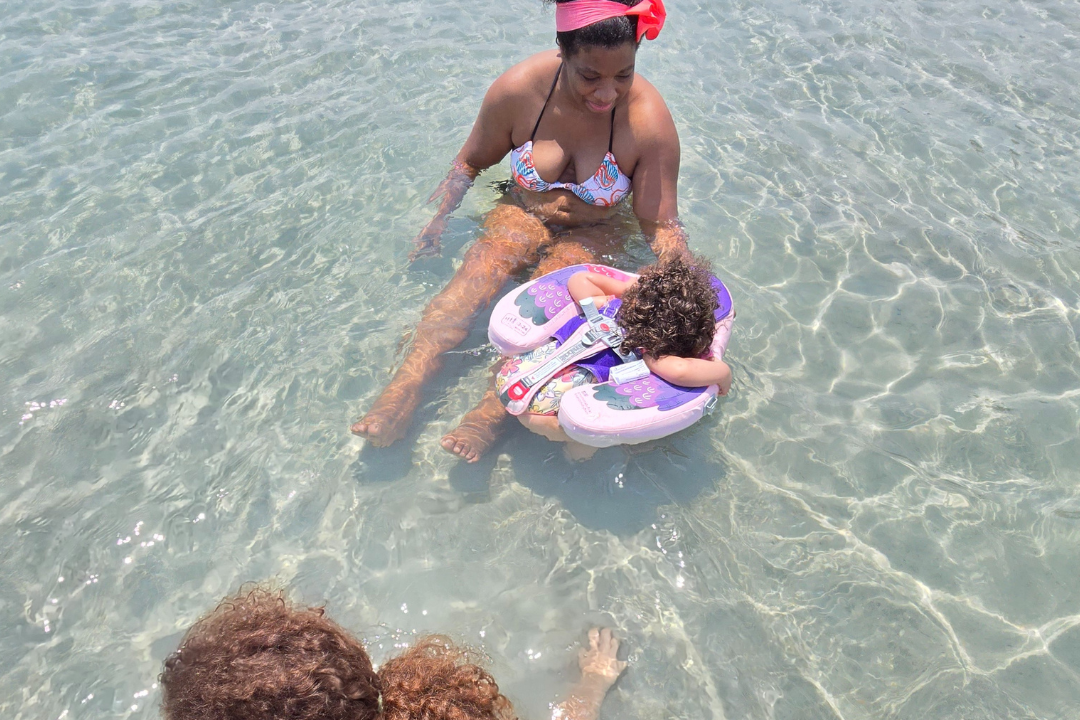
A destination can be beautiful and still be exhausting with little kids. The best budget-friendly beach trip is one where the beach itself keeps your children happy without constant paid entertainment. Calm water, wide sand, and easy access are worth more than trendy “top spots” that are difficult to manage. If you have toddlers, you want a beach where you can settle in and let them play safely with close supervision.
If you have older kids, you may want a beach with boardwalk energy or extra activities nearby. When a beach fits your kids, you spend less money trying to compensate for discomfort. You also avoid the “everyone is cranky so let’s buy something” trap. Families often overspend when kids are bored, overstimulated, or tired.
Choosing the right beach reduces that problem immediately. It also helps you plan a pace that feels like a break, not a hassle.
If you are traveling with young children, having a plan that supports naps, snacks, and short beach sessions is key. This is one reason parents do better with beaches that have simple logistics. If you want destination ideas that are especially toddler-friendly, this guide can help you decide:
Consider Oceanfront Lodging As A Convenience Strategy

Oceanfront lodging sounds like a splurge, but for families it can sometimes be the most practical choice. When you stay oceanfront, you reduce transportation costs and the stress of moving your whole operation multiple times a day.
You are not constantly driving, paying for parking, and hauling gear long distances. With young kids, that convenience protects your energy, which is just as valuable as money. In places where parking is limited or expensive, this matters even more. Oceanfront makes it easier to stick to simple beach routines. It also makes it easier to head out early for the best beach conditions and return later without a hassle.
Many families assume oceanfront is automatically out of reach, but spring break pricing can be surprisingly reasonable if you book early or choose older family-friendly resorts. You do not need luxury to benefit from location. You need clean, safe, convenient, and close. If oceanfront is not possible, staying within a short walk can still help you save on parking and stress.
Convenience is not just comfort, it is a budget tool. A smoother day often leads to fewer impulse purchases. This strategy is especially useful for families traveling with toddlers and young children.
Use A “One Paid Thing Per Day” Rule

Budget-friendly does not mean you do nothing extra. It means you choose extras thoughtfully. One practical rule that works for many families is one paid activity per day, or even one paid activity for the whole trip. This helps you avoid stacking costs without realizing it.
It also keeps kids from feeling overstimulated by constant activities. When everything is special, nothing feels special, and kids still get tired. Choosing one paid thing gives your day a simple structure. It also makes budgeting predictable. One day could be mini golf. Another day could be an aquarium. Another day could be a few boardwalk rides.
If you want to include a theme park, that becomes your paid day and you keep other days simple. This is where you remind yourself that you do not have to “hit everything” in one trip. You can leave something for next time.
That mindset makes travel sustainable instead of a once-in-a-decade event. Your kids will still have a great time even if you do fewer big-ticket activities. The beach is already an experience. Use paid activities to add variety, not to replace the beach. Your budget will thank you.
Make The Beach The Main Event And Keep Fun Simple

Some of the best spring break beach trips are the simplest ones. Morning beach time, lunch, rest, and an evening walk can be an entire day that feels full and satisfying. When you treat the beach as the main event, you naturally spend less money.
You also protect your energy, which matters when you are parenting away from home. Kids do not need a packed schedule to feel like they had fun. They need time, attention, and space to play. Simple beach fun is also easier to repeat daily, which makes the trip feel steady and relaxing. When families try to cram too much in, they often end up tired and spending more to “make it worth it.”
The beach is worth it all by itself. If you want ideas that help you keep beach fun simple and still engaging, this guide is perfect for spring break pacing:
This kind of simple planning helps you create meaningful moments without needing to spend more money. It also makes it easier to travel again sooner. A repeatable vacation style is a gift to your family.
Plan Food Like A Parent Who Still Wants Vacation To Feel Fun

Food can quietly become the biggest budget problem on a family trip. The goal is not to remove restaurant meals. The goal is to be strategic so you can enjoy them without stress. Breakfast and a few lunches can be handled with groceries or simple staples. Then you can choose one or two meals that feel special.
I like families to plan one “fun meal” in advance so it becomes part of the memory, not a last-minute budget hit. Kids usually do better with familiar foods anyway. Packing snacks also reduces those expensive “we’re hungry right now” purchases. Hydration matters too, even when it is not peak summer heat. If you build a snack plan, you prevent a lot of stress.
You also avoid overspending at tourist prices. Families often feel like budgeting food makes the trip less fun, but I have found the opposite. It keeps the trip comfortable and predictable. If you want practical ideas for kid-friendly beach food that travels well, this guide helps a lot:
Pack In A Way That Prevents “Emergency Spending”

One of the easiest ways to save money is to pack well enough that you do not have to buy basics on the trip. Spring break weather can change quickly, so pack layers, extra towels, and backup clothes for kids. Wet sand, sudden wind, and surprise rain can turn one outfit into two or three.
Bring full-size essentials you actually use, not tiny travel versions that run out fast. Running out leads to last-minute shopping, and last-minute shopping is never cheap. A well-packed beach bag also makes your days smoother. It keeps you from buying overpriced sunscreen or snacks because you forgot yours.
Packing is not about being minimal, it is about being prepared. When you have kids, being prepared is what keeps the day from spiraling. If you want a simple guide that helps you pack a beach bag specifically for little ones, this one is worth using
Packing with intention also saves time, and time is part of your budget too.
Add One “Big Memory” And Let The Rest Be Easy

Families often feel pressure to make every day feel big. That is expensive and exhausting. Instead, choose one “big memory” for the trip and let everything else be easy and simple. Your big memory could be a theme park day. It could be a dolphin cruise. It could be a boardwalk night with rides or a special oceanfront stay.
When you choose one highlight, you stop chasing ten smaller expenses that add up quickly. Kids tend to remember the one standout experience more than the scattered spending anyway. This strategy also helps parents say no to impulse purchases. You can remind yourself that you already chose the special thing. The rest of the trip can be beach time, family meals, and simple fun.
This is also a healthy mindset for parents who carry guilt around budgeting. You are still giving your family something special. You are just doing it in a sustainable way. Spring break is short, and you want it to feel like a break, not a marathon. One highlight and several simple days often feels better than nonstop activities. This approach also makes it easier to plan another trip in the future.
Take Action Early Even If You Can Only Save A Little
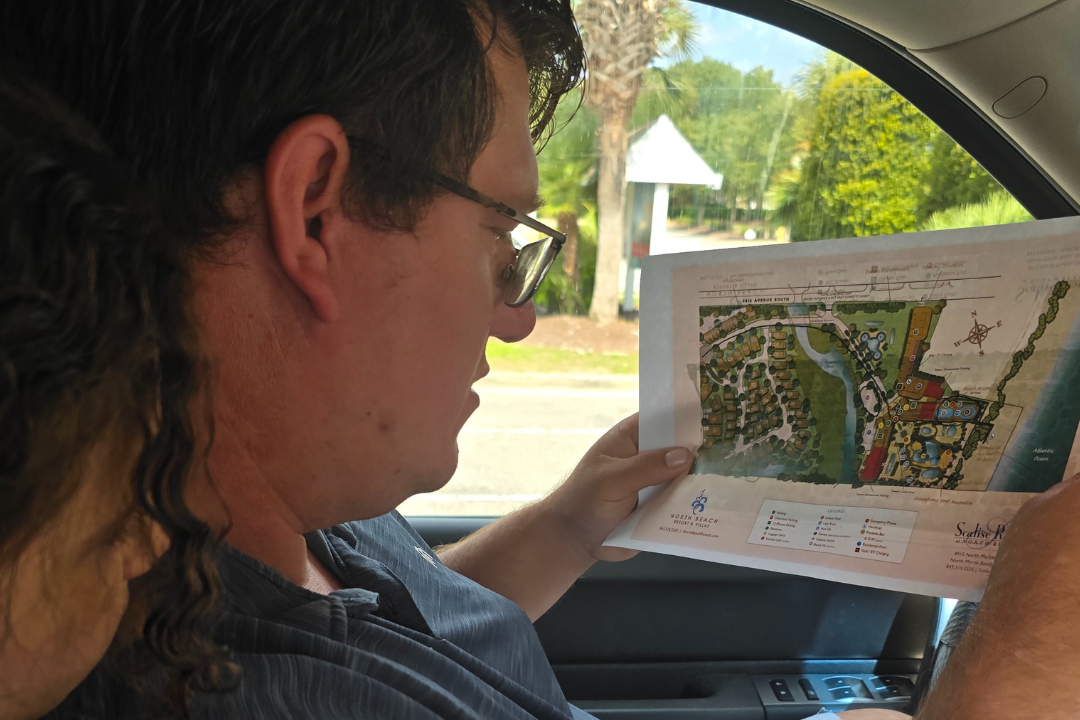
A budget-friendly spring break trip usually comes down to one thing: action. Waiting until the last minute often means higher prices and fewer choices. Start by setting a small goal, even if it is saving a little at a time. Small savings are still progress, and progress creates momentum. You can also take action by choosing refundable bookings early when possible.
That gives you flexibility without losing your spot. Planning early also lets you compare options calmly instead of booking under pressure. Pressure leads to overspending. Early planning gives you time to watch for deals and adjust your plan. It also helps you spread out purchases like gear or snacks instead of buying everything at once. This is where the “do you want A or do you want B” mindset matters again.
Sometimes you skip a few extras now so you can create a family memory later. That is not shameful, it is powerful. Your children learn from how you prioritize family time. Even a simple beach trip can be deeply meaningful. The point is to stop postponing joy until everything is perfect. Take the next step today, even if it is small.
How To Plan A Budget-Friendly Spring Break Beach Trip With Kids: FAQ
How far in advance should I plan to save money?
The earlier you start, the easier it is to compare lodging prices and avoid last-minute rates. Even planning a few weeks ahead can help you find better options and spread out costs like snacks and gear. If you need quick destination ideas for short breaks, start here: Spring Break Beach Destinations for Families In The USA
How do I budget without feeling like I’m saying no to everything?
Pick one or two priorities and spend there on purpose. Everything else can be simple, and it will still feel like a real vacation. This approach helps you avoid random add-ons that quietly blow the budget.
Can we do a theme park and still keep the trip budget-friendly?
Yes. Treat it as your one big paid day and keep the rest of the trip beach-focused and low-cost. You do not need to fit every expensive experience into one trip for it to be memorable.
Is oceanfront lodging worth it when traveling with kids?
Sometimes, yes. It can reduce parking fees, driving, and the stress that leads to impulse spending. Convenience can protect both your budget and your energy, especially during short spring break trips.
What’s the best way to keep food costs under control?
Plan grocery breakfasts and a few simple lunches, then choose one or two fun meals out. Snacks and refillable water bottles help prevent expensive “we need something right now” stops. For kid-friendly ideas, use this guide: Beach-Friendly Snacks And Meals For Toddlers And Kids
What hidden costs should I plan for?
Parking, resort fees, and small daily purchases add up fast. A simple plan and one paid activity rule helps you avoid surprise spending and keeps the trip feeling calm.
How do I keep kids entertained without spending a lot?
Beach time is naturally entertaining when you lean into simple play like sand games, tide pools, and shoreline walks. If you want easy ideas, this is a great go-to: 10 Simple Beach Activities That Don’t Require Extra Supplies
What if we only have 2–3 days for spring break?
That’s enough for a real reset. Choose one main beach area, keep the schedule light, and prioritize rest and connection. Short trips often feel smoother with kids when you avoid overplanning.
What if we can’t afford excursions or extras?
That is completely fine. A beach trip built around simple quality time can be just as meaningful. Kids remember how the trip felt, not how much it cost.
How do I stop postponing and actually book the trip?
Take one small step today, such as picking dates, pricing two locations, or setting a simple savings goal. Momentum makes the trip feel real. If you want destination ideas to help you decide, start here: Family Beach Destinations
Conclusion: You Can Make This Trip Happen
A budget-friendly spring break beach trip with kids can include theme parks and expensive extras, but it does not have to include everything in one trip. You can plan one big day and keep the rest simple. You can also skip the expensive stuff entirely and still have a vacation that feels full of connection and fun. The beach has a way of resetting families, and you do not need a luxury budget to feel that. What you do need is a plan and the willingness to take action. If you want help picking destinations and building a trip that fits your family’s pace, start here:
And if spring break planning is your focus right now, these guides support the quick-trip mindset: