

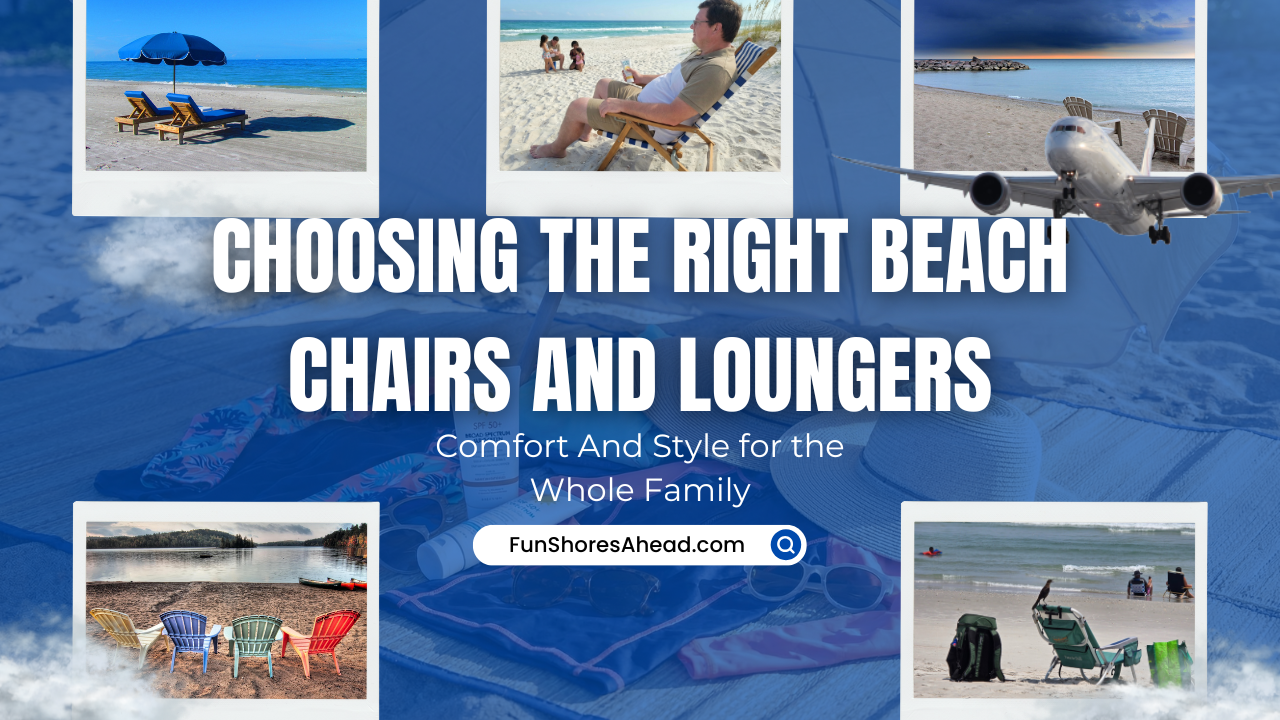

When you spend a lot of time at the beach, you quickly learn that not all beach chairs are created equal. Early on, I used to think any chair would do. Then came long beach days, babies needing to nurse or nap, kids needing snacks, and moments when I just wanted to sit comfortably and enjoy the view. That’s when I realized that the right beach chair changes the entire experience.
Beach chairs are not just something to sit on. They are where you rest, feed kids, watch the water, talk, relax, and sometimes even nap. Comfort matters. Support matters. And style matters too, especially if you’re carrying everything yourself or managing kids at the same time.
This guide is based on real beach days, real family needs, and real comfort expectations.
Why Beach Chair Choice Matters More Than You Think

A beach day can last hours. Your chair becomes your home base. If it’s uncomfortable, too low, or difficult to carry, you’ll feel it quickly.
I’ve learned that good chairs reduce fatigue. They support your back. They make it easier to get up and down. And they let you actually enjoy sitting still instead of constantly shifting around. When parents are comfortable, the whole family benefits.
Comfort is not a luxury at the beach. It’s part of enjoying the day.
Low Chairs vs. Tall Chairs
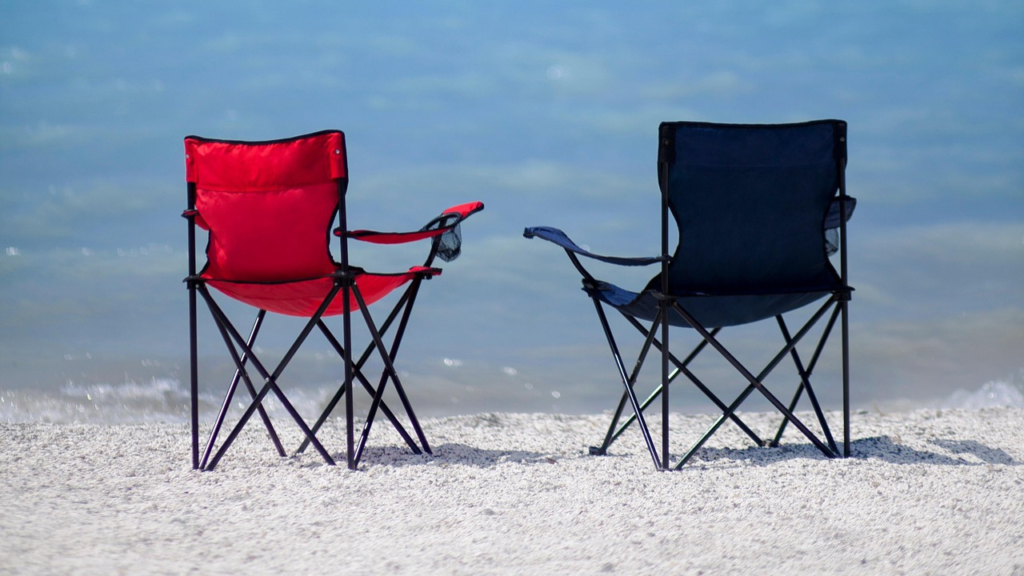
One of the first decisions to make is chair height. Low chairs are great for lounging close to the sand and feeling immersed in the beach environment. Taller chairs make it easier to stand up, especially when you’re holding a baby or helping a child.
I’ve personally found that having at least one taller chair is a game-changer, especially after long days. Getting out of a very low chair while tired or holding gear can be frustrating. Taller chairs are also more comfortable for eating, nursing, or just sitting upright.
Think about how you’ll actually use the chair, not just how it looks.
Reclining Options Make a Big Difference
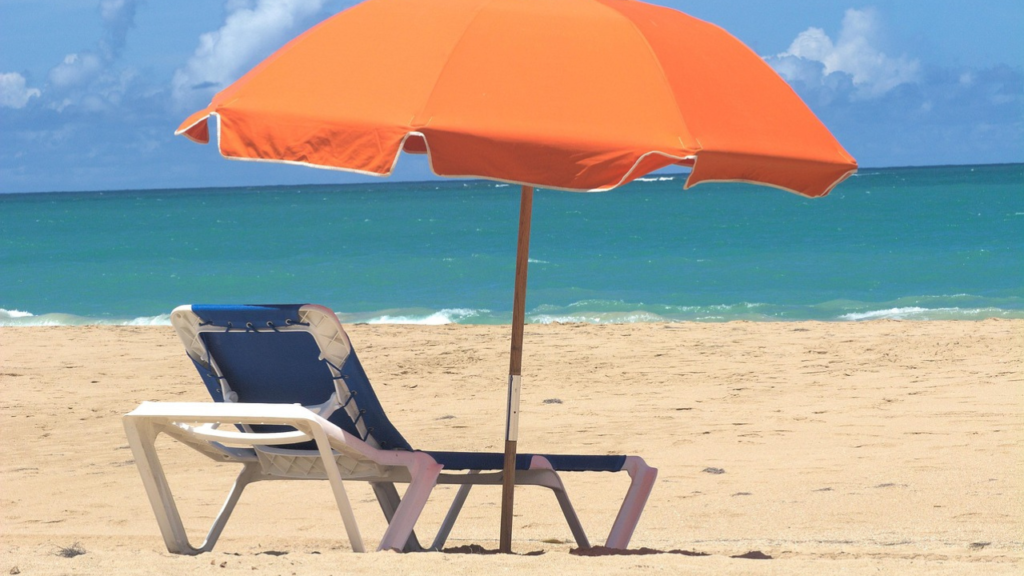
A chair that doesn’t recline limits how comfortable you can be. Multiple reclining positions matter, especially when you’re at the beach all day.
Sometimes you want to sit upright and watch the kids. Other times you want to lean back and rest. Chairs that adjust easily let you do both without getting up. I always look for smooth, secure reclining mechanisms that don’t feel flimsy.
A chair should adapt to your day, not force you into one position.
Support Is Everything
Back support is one of the most overlooked features. A supportive backrest prevents soreness, especially during long sits.
I avoid chairs that sag or fold awkwardly. Firm but comfortable support keeps your posture aligned and reduces neck and shoulder strain. This matters even more when you’re bending, turning, and constantly watching kids.
If a chair feels uncomfortable in the store, it will feel worse after two hours on the sand.
Armrests Are Not Optional
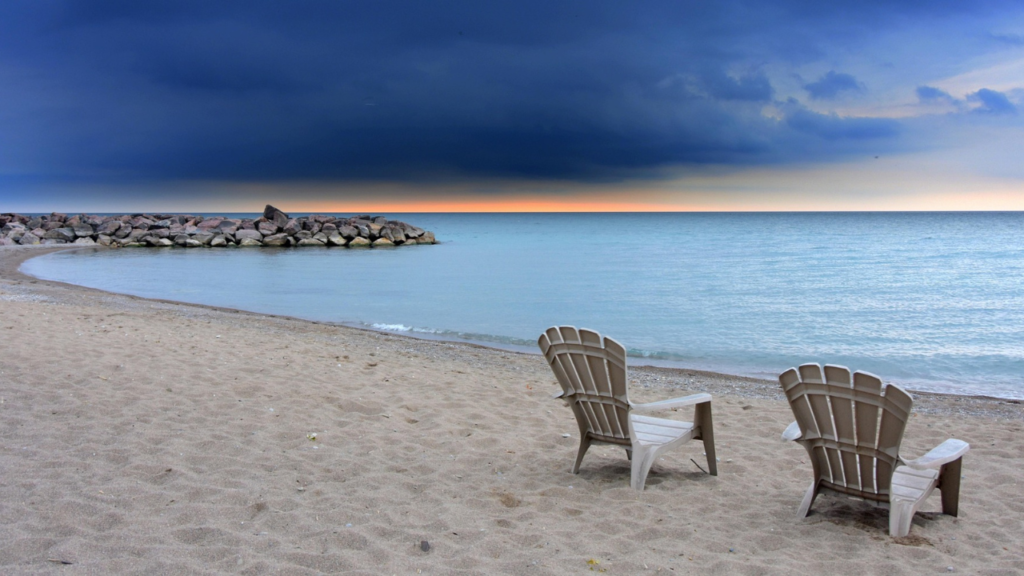
Armrests seem like a small detail, but they make a huge difference. They help you get up and down. They support your arms while holding a drink, phone, or baby.
Some armrests include cup holders or small storage pockets. While not required, these features are incredibly convenient. Having a place to set something down without reaching into a bag keeps things simple and calm.
Little conveniences add up fast on beach days.
Portability Matters When You’re Carrying Everything

Parents don’t just carry chairs. We carry bags, toys, towels, snacks, and sometimes kids. A chair that’s heavy or awkward to carry becomes a burden quickly.
I always check weight, folding style, and carrying straps. Backpack-style straps are especially helpful because they keep your hands free. Easy folding saves time and energy.
If carrying the chair feels annoying before you even reach the sand, it’s not the right one.
Materials That Hold Up to Sand and Salt
The beach is rough on gear. Salt, sand, sun, and moisture break things down fast.
I look for chairs with rust-resistant frames, breathable fabric, and sturdy stitching. Chairs should dry quickly and not hold moisture. Fabric that’s easy to shake off is also a must.
Durable materials mean fewer replacements and more dependable beach days.
Loungers vs. Traditional Chairs
Loungers serve a different purpose than standard chairs. They’re perfect for full relaxation, sunbathing, or quiet reading time.
If you’re someone who enjoys laying back completely, a lounger can be worth the extra space. However, loungers are usually heavier and less flexible for multitasking. I find them best for adults who plan to stay seated for long stretches.
Many families do best with a mix: chairs for everyday use and one lounger for downtime.
Style Still Matters
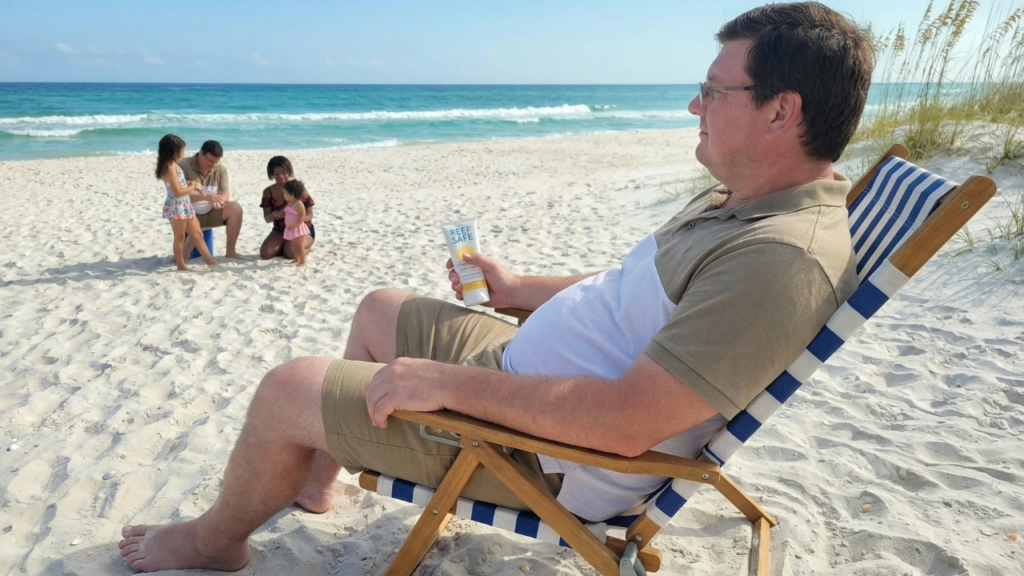
Just because something is practical doesn’t mean it has to be boring. Style matters, especially when you’re spending time in beautiful places.
I gravitate toward neutral colors, clean lines, and designs that feel calm and beach-appropriate. Chairs that look good tend to feel good too. And let’s be honest, photos happen at the beach.
Functional and stylish can exist at the same time.
Think About Storage and Extras
Some chairs include storage pockets, insulated pouches, or attached umbrellas. These features can be helpful, but they shouldn’t replace good design.
I prefer chairs that stay comfortable even without extras. Storage is a bonus, not a requirement. Simple designs often last longer and perform better over time.
Choose features that support your routine, not clutter it.
Test Before You Commit
Whenever possible, sit in the chair before buying. Comfort is personal. What works for one person may not work for another.
Pay attention to how easy it is to sit down, lean back, and stand up. Imagine using the chair for several hours. If something feels off right away, trust that feeling.
Your body will tell you what works.
FAQ: Beach Chairs And Loungers For Families
What type of beach chair is best for families with kids?
The best beach chair for families is one that is comfortable, supportive, and easy to carry. Parents spend long hours sitting, standing, and helping kids, so a chair that supports your back and allows easy movement makes a big difference. I always look for chairs that balance comfort with practicality.
Are low beach chairs or tall beach chairs better?
It depends on how you use them, but having at least one taller chair is extremely helpful. Taller chairs make it easier to get up and down, especially when holding a child or gear. Low chairs are great for relaxing, but they can be tiring after long periods.
Do beach chairs really need to recline?
Yes, reclining matters more than people think. Multiple reclining positions allow your chair to adapt to your day, whether you’re watching kids, eating, or resting. Chairs that don’t recline often feel limiting during long beach visits.
How important are armrests on beach chairs?
Very important. Armrests help with balance, comfort, and standing up, especially on uneven sand. They also give you a place to rest your arms or hold small items during the day.
What features matter most for portability?
Lightweight frames, easy folding, and backpack-style carrying straps make a huge difference for parents. When you’re carrying multiple items, keeping your hands free helps reduce stress. If a chair is difficult to carry, it will feel even heavier by the end of the day.
What materials hold up best at the beach?
Rust-resistant frames and breathable fabric perform best over time. The beach environment is tough on gear, so materials that dry quickly and don’t trap sand last longer. Durable materials save money and frustration in the long run.
Are beach loungers worth bringing for family trips?
Loungers are worth it if relaxation is part of your plan. They’re great for adults who want full-body support, but they are usually heavier and less flexible for multitasking. Many families find a mix of standard chairs and one lounger works best.
Do extra features like pockets and umbrellas matter?
They can be helpful, but they shouldn’t replace comfort and support. Storage pockets and cup holders are nice bonuses, not necessities. I always prioritize how the chair feels first.
How many beach chairs should a family bring?
At minimum, one chair per adult is important. Kids often move between chairs, towels, and the sand. Making sure adults have comfortable seating helps everyone enjoy the day longer.
How do I know if a beach chair is the right one?
If you can sit comfortably, stand up easily, and imagine using it for hours, it’s a good fit. Trust your body during testing, not just product descriptions. Comfort shows itself quickly.
Comfort Makes the Beach Better
The right beach chair doesn’t just support your body. It supports your entire beach experience. When you’re comfortable, relaxed, and not constantly adjusting, you enjoy the moment more.
For families, comfort allows parents to slow down and be present. It makes feeding babies easier, supervising kids more enjoyable, and resting possible. The right chair becomes part of the memory, not a distraction.
Choose comfort first. Choose quality. And choose what works for your family.
Planning your next family beach day?
Explore more beach-tested gear tips and family-focused guides designed to help you enjoy the shore comfortably and confidently.