


Beach days with toddlers are a special kind of beautiful chaos full of curiosity, giggles, keeping sandy hands out of their mouths, and the occasional meltdown that passes as quickly as a waves. As a mom who has raised two daughters through the toddler stage (one who is now a tween with her own beach opinions and one who is currently our tiny explorer), I’ve learned just how magical this age can be.
Toddlers experience the beach in the most wholehearted way. They don’t need fancy setups or expensive activities to have the time of their lives. All they need is freedom, movement, imagination, and a few well-chosen toys that support their natural desire to explore.
Every trip with my girls, whether years ago with my oldest or recently with my youngest, has shown me how much toddlers thrive at the beach when they have activities that match their developmental stage. And trust me, I’ve lugged my share of overpacked toy bags and learned which items actually get used and which ones return home untouched.
Below is a detailed, heartfelt guide to the 10 Best Toys and Activities For Kids Ages 1 to 5, based not on trends, but on real family moments we’ve lived, loved, and learned from.
Why Beach Toys Matter for Toddlers
Toddlers engage with the world through sensory play. This means touching, pouring, digging, carrying, and splashing. The beach naturally provides all of that, but the right toys help channel energy in ways that keep them entertained, safe, and semi-independent, giving parents a chance to breathe between sunscreen reapplications.
There’s also something powerful about watching your child build confidence. Whether it’s the first time they scoop sand into a bucket, walk toward a tide pool, or chase a bubble across the shoreline, these tiny victories become the little memories you carry home with you.
And as a mom who has taken two toddlers through these years, I can tell you: each stage builds on the last, and having the right tools makes the experience smooth, joyful, and full of heart.
1. Classic Buckets and Shovels
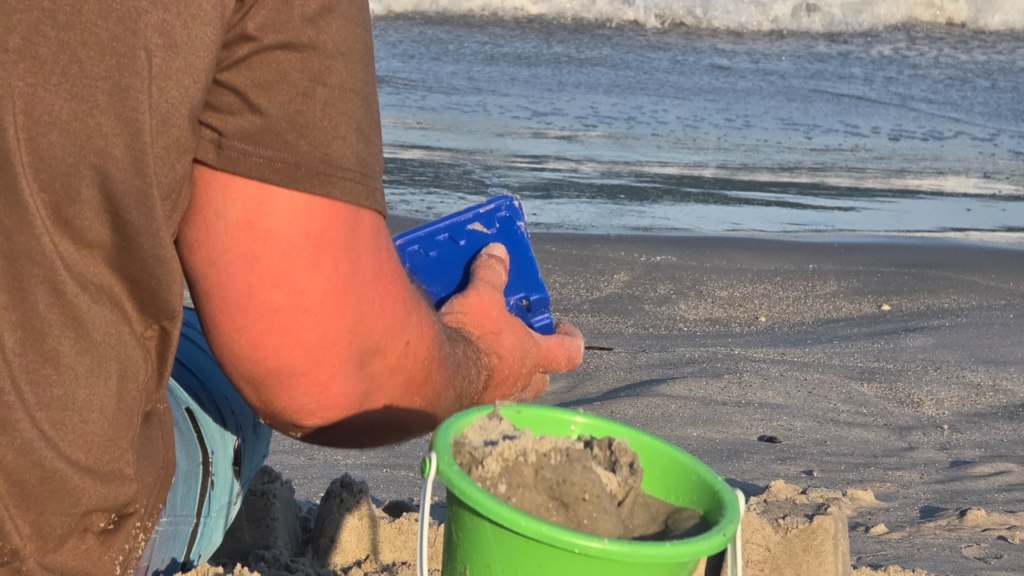
If beach toys had a hall of fame, buckets and shovels would be the headliners. They’re timeless for a reason, toddlers adore the simple rhythm of scooping, filling, dumping, and rebuilding.
When my oldest was two, we used to create whole “sand villages,” complete with pretend streets, shell roofs, and imaginary sea creature residents. She’d name them all, of course, every crab, turtle, and pretend dolphin.
My current toddler? She’s in the “fill-to-dump” era of life. She fills the bucket, lifts it with all the strength of a determined toddler, dumps it over dramatically, and squeals like she discovered sand for the very first time. Every single time.
Why toddlers love them:
- Perfect for sensory development
- Strengthens coordination
- Encourages creative, open-ended play
- Works for solo play or family interaction
Buckets and shovels are also the toys kids fight over most, so I’ve learned to always bring an extra shovel. It’s the unofficial rule of toddler beach diplomacy.
2. Silicone Mold Toys
The new generation of sand toys, soft silicone molds, became an instant favorite for both my girls. They pack light, rinse easily, and don’t crack or scratch little hands.
With my oldest, molds became part of full storytelling adventures. She’d create a lineup of starfish, turtles, fish, and castles, then tell me which ones were “friends.” With my youngest, the learning stage is all sensory and curiosity. She presses the mold into the sand, lifts it up, claps (usually before checking the result), and tries again.
Why they’re worth bringing:
- Eco-friendly and flexible
- Safer than hard plastic molds
- Great for small hands
- Encourage repetition and confidence through consistent results
These are the toys that quietly hold a toddler’s attention long enough for parents to sip a cold drink without rushing.
3. Watering Cans and Pouring Toys
If sand teaches toddlers about texture, water toys teach them about flow and transformation. A simple watering can becomes a science experiment, a sensory tool, and a soothing distraction all in one.
Both my kids loved walking to the shoreline to fill the watering can, then creating “rivers” that trickled back into the ocean. Watching the water seep into the sand fascinates toddlers, and honestly, it’s calming for parents too.
Why they work so well:
- Promote fine motor skills
- Calm overstimulated toddlers
- Keep kids engaged in repetitive, peaceful play
There is also something grounding about watching your toddler pour water and concentrate like it’s the most important job she’s ever had.
4. Floating Bath Toys for Wave Play
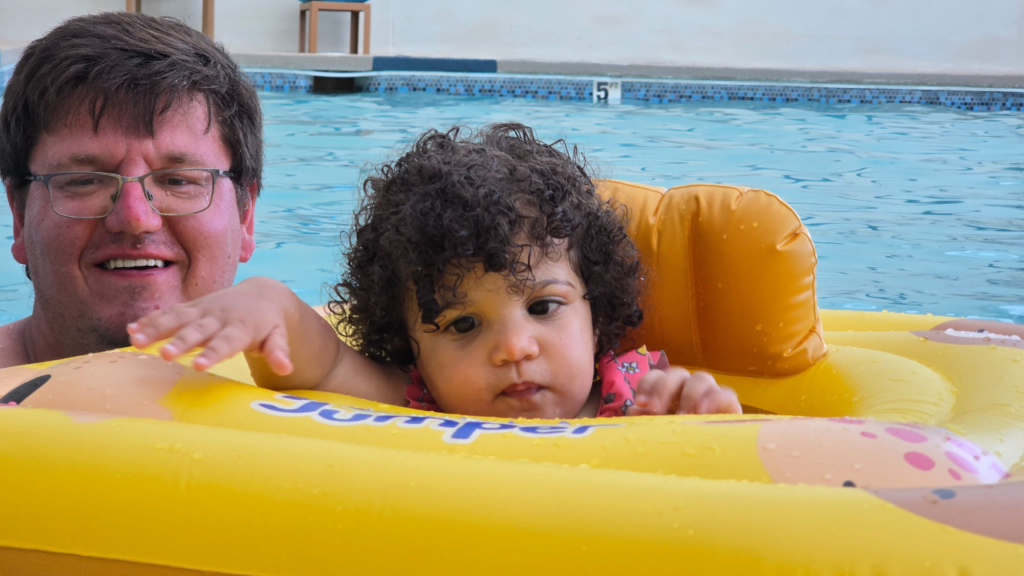
Floating toys might seem like something you’d use at home, but toddlers love seeing familiar items in new environments.
My oldest used floating toys to create storylines across the shallow waves, while my youngest uses them to build confidence in water she’s still learning to love. Watching a floating toy gently bounce on the water makes the ocean feel friendlier and less intimidating.
Benefits:
- Increase water comfort
- Encourage imaginative play
- Easy to clean and carry
Just be sure they’re mold-free toys with no hidden water chambers.
5. Collapsible Buckets (A Travel Mom’s Best Friend)
As a second-time toddler mom, collapsible sand buckets feel like a gift from the universe. They flatten for travel, weigh almost nothing, and pop into shape instantly.
With my oldest, I used to pack bulky plastic buckets that took up the entire suitcase. Years later, having survived that learning curve, collapsible buckets have become part of our permanent rotation.
Why they’re essential:
- Space-saving
- Lightweight
- Durable
Toddlers love them, and moms love that they don’t take up half the luggage.
6. Beach Balls and Soft Kick Balls
Toddlers ages 1–5 thrive with movement-based toys. A beach ball is gentle, colorful, and easy to chase across the shoreline.
With my oldest, beach balls turned into sibling games when cousins joined our trips. With my youngest, the beach ball is a personal workout routine. She kicks it, runs after it, giggles, trips, giggles again, and starts over.
Why they’re great:
- Encourage physical activity
- Build coordination
- Safe for group or solo play
If the wind is blowing just right, the beach ball practically plays with them.
7. Bubble Wands
If I ever walk onto a beach without bubbles, my toddler assumes something is wrong. Bubbles bring instant joy and reset even the crankiest toddler mood.
And it’s not just the little ones, my tween still jumps in to help pop them, even if she pretends she’s “too big” for it. Bubbles have magic like that.
Why they’re perfect:
- Encourage movement
- Low effort for parents
- Ideal for transitions or breaks
Plus, bubbles drifting across the beach look breathtaking in photos.
8. Mini Beach Trucks and Scooping Vehicles
Some toddlers are diggers. Some toddlers are drivers. Trucks give them both worlds.
My oldest was a “builder toddler.” She had dedicated sand construction zones. My youngest? A “crash and laugh toddler.” Both personalities found something to love.
Why toddlers enjoy them:
- Good for storytelling
- Promote motor skills
- Blend imagination with hands-on play
Add a pile of sand, and toddlers will entertain themselves longer than you’d expect.
9. Sensory Treasure Hunts
One of our favorite beach traditions is a simple treasure hunt. We look for:
- Tiny shells
- Smooth stones
- Driftwood
- Interesting textures
This activity has bridged the age gap beautifully. My tween takes her job seriously, finding “rare treasures.” My toddler holds up the same shell with enthusiasm every time like she’s discovered gold.
Why it’s wonderful:
- Encourages attention to detail
- Supports sensory learning
- Great bonding activity
And treasure hunts always end in sweet conversations about what kids find fascinating.
10. Tide Pool or Puddle Play
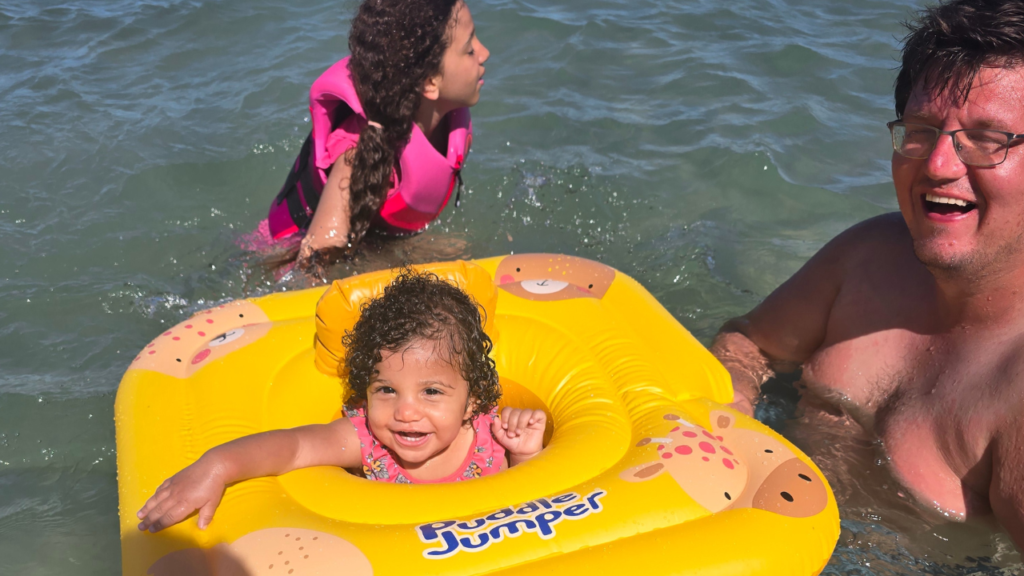
When the tide goes out, it leaves behind shallow pools that toddlers absolutely adore. These spots feel like nature set up a water park just for them.
My oldest explored them gently, fascinated by tiny fish and sea plants. My youngest splashes each one like she’s stomping out a fire. Both versions are adorable, and both are learning through water play.
Why toddlers love them:
- Safe, shallow water
- Perfect for early water confidence
- Encourages curiosity about nature
Supervision is still important, but toddlers take to tide pools naturally.
Related Articles
- 10 Essentials For Your Family Beach Trip Packing Checklist
Stay organized with a parent-approved packing system that keeps sunscreen, snacks, wipes, toys, and toddler gear easy to reach. - How To Keep Kids Safe While Enjoying the Beach
Learn practical safety tips to help toddlers explore the beach with confidence while giving you peace of mind. - Teach Kids Simple Ocean Awareness: Empower Them Without Fear
Help little ones understand waves, tides, and safe beach habits through gentle, toddler-friendly guidance. - Eco-Friendly Family Beach Vacations: Destinations and Activities
Discover beach destinations and nature-based activities designed for families who want to travel responsibly. - Tips For Finding Accommodations Near Family-Oriented Beaches
Choose the best family-friendly stays, close to the shore, safe for little ones, and perfect for building memories. - How To Protect Your Family From the Sun at the Beach
Your guide to toddler-safe, reef-safe sun protection routines that keep your whole family comfortable and burn-free.
FAQ: Best Beach Toys and Activities for Toddlers & Kids Aged 1–5
What are the best beach toys for toddlers ages 1–5?
Simple toys truly work best. In our family, buckets, shovels, silicone molds, collapsible buckets, and watering cans have been the most loved through both toddler stages. These toys encourage sensory play, keep kids engaged longer than you’d expect, and don’t require batteries or complicated setup, just imagination and sand.
How many toys should I bring to the beach for toddlers?
Less than you think. After taking two toddlers through beach seasons, I’ve learned that 4–6 core toys are plenty. Toddlers usually rotate between digging, pouring, splashing, and exploring. Too many toys become overwhelming, and some will never leave the bag. Pick items that support open-ended play so kids stay engaged naturally.
Are beach toys safe for 1-year-olds?
Yes, as long as you choose age-appropriate toys. Look for soft silicone toys, rounded edges, and pieces large enough to avoid choking hazards. My youngest started using silicone molds and collapsible buckets around age one because they were lightweight, safe to chew on (toddlers explore with their mouths!), and easy for tiny hands to grasp.
How do I keep toddlers entertained at the beach?
Activities that let toddlers lead the play work wonderfully. Some favorites in our family include:
– Digging and dumping sand
– Filling a bucket with water
– Splashing in shallow puddles or tide pools
– Collecting shells for a “treasure hunt”
– Chasing bubbles in the breeze
These activities allow toddlers to explore naturally and keep them happy for long stretches.
Are tide pools safe for young kids?
With supervision, yes. Tide pools are shallow, calm, and perfect for toddlers who may be intimidated by waves. My girls loved tide pools at this age, my oldest explored gently, and my current toddler splashes like she’s auditioning for a mermaid show. Just keep a close eye on footing and avoid stepping on fragile sea life.
How can I choose toys that work for both toddlers and older siblings?
Look for toys that encourage creativity, not just age-specific skills. Things like shovels, beach balls, bubble wands, and mold sets appeal to a wide range of ages. My tween still jumps in to help build sand villages or pop bubbles with her toddler sister, which turns the beach day into sweet sibling bonding.
How do I handle toddlers putting sand in their mouths?
It’s normal…annoying, but normal. Choose toys made of safe materials (silicone is great), keep a close eye on younger toddlers, and gently redirect them to pouring or scooping instead. Both of my girls went through this stage, and it passes faster than you think.
What’s the best way to pack and manage toys at the beach?
Use a mesh bag so the sand shakes out easily. I also keep a small “toy kit” inside the main beach bag so I can pull out exactly what we need without digging. Organization saves your sanity, especially when juggling a toddler, a tween, sunscreen, snacks, and everything in between.
Do toddlers really need special beach toys, or can they use items from home?
A mix works fine. Household items like plastic cups, colanders, and measuring spoons make amazing beach toys. But beach-specific toys like watering cans, molds, and collapsible buckets tend to hold up better to sand and water. After two toddlers, I’ve learned which items survive the salt and sun, and which don’t.
How do I encourage gentle play around other kids?
Toddlers are still learning social skills, so sharing toys and space can be tricky. I usually bring one or two “community toys” that I’m okay with other kids using. It sets the tone for kindness, reduces conflict, and often leads to spontaneous little friendships in the sand.
And yes, you’ll still need to intervene sometimes, it’s toddlerhood!
Conclusion: Cherish the Toddler Beach Years While They Last
Beach days with little ones are beautifully unpredictable, full of sandy giggles, tiny discoveries, and those quiet moments when you look at your child and realize just how quickly they’re growing. Having raised one daughter through her toddler beach stage and now experiencing it all over again with my youngest, I can tell you that the toys matter less than the moments they help create.
Whether it’s the joy in your toddler’s eyes as she dumps a bucket of sand, the determination of building her very first sandcastle, or the pure delight of chasing bubbles across the shoreline, these simple activities become the core memories of early childhood. They’re the stories your children will one day look back on with a smile, the foundation of their love for the beach, nature, and play.
And the best part? You don’t need a trunk full of toys to make magic happen. Just a few thoughtful choices, a little curiosity, and your presence turn an ordinary day at the beach into something unforgettable.
So the next time you head out with your littles, pack the toys that spark imagination, welcome the mess, embrace the laughter, and let the beach do what it does best, pull your family closer.
Ready to Plan Your Next Beach Day With Your Little Ones?
Explore more guides designed to help families travel with confidence, ease, and joy.