


When it comes to Essential Beach Safety Tips For Families, the goal is simple: keep everyone safe while still enjoying your time together.
Beaches may feel relaxing, but they are constantly changing environments. Factors like tides, currents, heat, and wildlife can quickly turn a fun day into a stressful situation if you are not prepared.
Understanding how these elements affect your family, especially young children, helps you plan ahead, stay aware, and enjoy the beach with more confidence and less worry.
TL;DR: Essential Beach Safety Tips For Families
Beach safety for families comes down to preparation, awareness, and staying consistent throughout the day. Choose a safe setup near lifeguards, check ocean conditions before entering the water, and keep children within reach at all times. Use proper safety gear like life vests, teach basic ocean awareness, and follow beach guidelines. Small steps like these help prevent accidents and allow your family to enjoy the beach with confidence.
Summarize With AI
1. Stay Alert At All Times
Staying alert at the beach means paying attention to your surroundings, including safety flags, weather conditions, and tide changes, so you can recognize potential risks early and keep your family safe throughout the day.

How Do You Stay Safe At The Beach With Your Family?
Check beach flags, review the weather, and be aware of tide times before and during your visit. Staying aware of these conditions helps you avoid strong currents, sudden changes, and unsafe swimming situations.
The first thing I do when we get to the beach is take a moment to look around before we get settled.
It only takes a minute, but it helps you understand what kind of environment you are dealing with that day.
I check for beach flags because they tell you right away if the water is calm, rough, or unsafe. I also look at the weather and pay attention to how the water is moving. Some days look calm at first but change quickly.
Tides are another big one. Knowing when the tide is coming in or going out helps you avoid getting too comfortable in a spot that may not stay safe.
This is one of those things that seems small, but it makes a big difference. When you know what is going on around you, you can make better decisions for your family and avoid situations before they become a problem.
Why This Works So Well
- Helps you spot unsafe conditions early
- Reduces the risk of strong currents or changing tides
- Keeps your family in safer areas of the beach
- Allows you to adjust your plans based on real conditions
Keep It Simple & Stay Aware
You do not need to overthink it. Just take a moment when you arrive and stay aware throughout the day. That small habit can go a long way in keeping your beach day safe and enjoyable.
2. Know The Beach Layout
Understanding the beach layout helps you identify hazards like sudden drop-offs, sandbars, and changing depths so you can choose safer areas for your family before entering the water.

Why Is It Important To Understand The Beach Layout Before Swimming?
Knowing the beach layout helps you avoid unexpected drop-offs, strong currents, and unsafe areas. By observing the shoreline and water conditions first, you can choose a safer spot for your family before getting in.
Every beach is different, and that is something I have learned to pay attention to over time.
Some beaches have gradual, shallow entry points, while others can drop off quickly just a few steps into the water.
A good example of this is Bermuda, where I was born and raised. Many of the beaches there sit on an underwater shelf, which means the water can suddenly get deep without much warning.
If you are not expecting that, it can catch you off guard, especially with kids.
Now, I always take a moment to look at how the water is behaving before we go in. I watch where waves are breaking, look for changes in color that may indicate depth, and pay attention to how quickly the shoreline slopes.
That quick observation helps me choose a safer area where my kids can enjoy the water without unnecessary risk.
Why This Works So Well
- Helps you avoid sudden drop-offs and deep areas
- Allows you to choose safer entry points for kids
- Reduces the risk of panic in unfamiliar water
- Helps you understand how the beach behaves that day
Keep It Simple & Observe First
Before heading into the water, take a moment to look at the shoreline and how the water moves. That small step can help you avoid hazards and choose a safer, more comfortable spot for your family.
3. Prepare for a Safe Beach Outing
Preparing for a safe beach outing means packing essential items like sun protection, hydration, and basic supplies so your family stays protected from heat, sun exposure, and dehydration throughout the day.
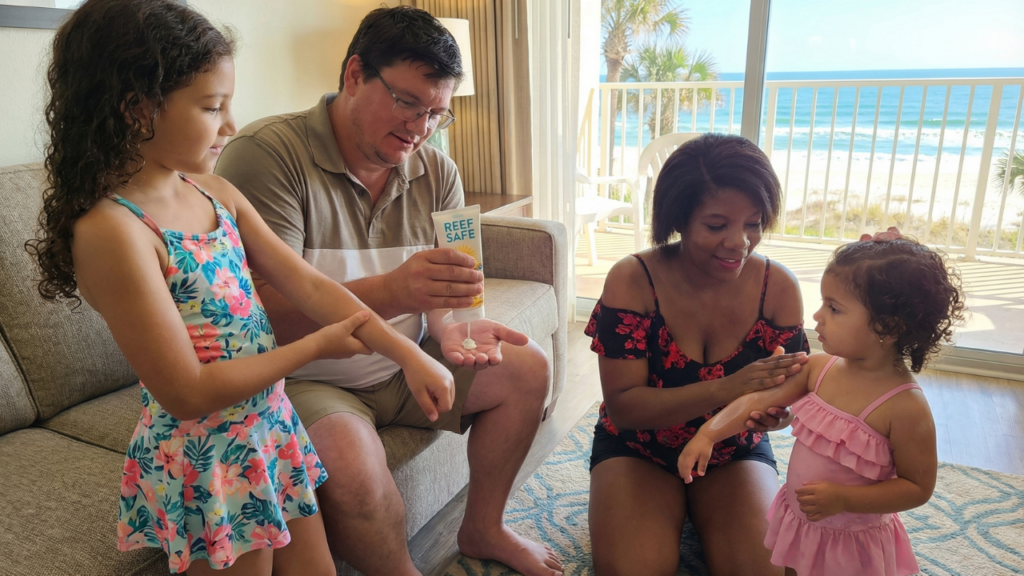
What Should You Pack To Keep Your Family Safe At The Beach?
Pack sunscreen, hats, sunglasses, and plenty of water to protect against sun exposure and dehydration. These basics help prevent common beach issues like sunburn, overheating, and fatigue, especially for children.
Getting ready for a beach day is more than just deciding what to wear.
What you bring with you plays a big role in how safe and comfortable your day will be, especially when you are spending hours in the sun with kids.
Over time, I have learned that the basics make the biggest difference.
Sunscreen helps protect against burns, but it needs to be reapplied throughout the day. Hats and sunglasses add another layer of protection, especially during peak sun hours when the heat is strongest.
Water is just as important.
Between the sun, heat, and activity, kids can get dehydrated faster than you expect. Having enough water on hand keeps everyone feeling better and helps prevent overheating.
When you have these essentials ready, you are not scrambling to fix problems later. You are preventing them from happening in the first place.
Why This Works So Well
- Protects against sunburn and long-term sun damage
- Helps prevent dehydration and overheating
- Keeps kids more comfortable during long beach days
- Reduces the need to leave early due to preventable issues
Keep It Simple & Pack The Basics First
Start with the essentials that protect your family from the sun and heat. Once those are covered, everything else becomes easier to manage and enjoy.
4. Dress For The Occasion
Dressing appropriately for the beach helps protect your family from sun exposure, hot surfaces, and minor injuries while keeping everyone comfortable and safe throughout the day.

What Should Kids Wear To Stay Safe At The Beach?
Dress kids in protective swimwear like rash guards, along with hats and water shoes. These help reduce sun exposure, prevent burns from hot sand, and protect feet from sharp objects in the water and along the shore.
What your family wears at the beach does more than keep everyone comfortable. It plays a direct role in safety.
When kids are spending long periods in the sun and water, regular swimwear is not always enough. Rash guards are one of the easiest ways to add an extra layer of protection, especially for areas that are harder to keep covered with sunscreen.
Footwear is another thing I pay attention to.
Hot sand can be uncomfortable, and some beaches have shells, rocks, or rough areas near the shoreline. Water shoes help protect your child’s feet and make it easier for them to move around without hesitation.
I also make it a habit to check the weather and ocean conditions before heading out.
Conditions can change quickly, and knowing what to expect helps you decide how to dress and whether it is even a good day to be in the water. If the forecast shows rough waves or storms, it is always better to adjust your plans than deal with unsafe conditions once you arrive.
Why This Works So Well
- Reduces sun exposure and risk of sunburn
- Protects feet from hot sand and sharp objects
- Keeps kids more comfortable and confident
- Helps you prepare for changing weather and water conditions
Keep It Practical & Protective
Choose clothing that protects first and keeps your family comfortable second. When everyone is dressed for the conditions, your beach day becomes much easier to enjoy.
5. Check Ocean Conditions And Weather Before You Go
Checking ocean conditions and weather before heading to the beach helps families avoid dangerous waves, strong currents, and sudden weather changes that can make swimming unsafe.

How Do You Know If It’s Safe To Swim At The Beach?
Check local beach forecasts, look at wind and wave conditions, review tide times, and pay attention to beach warning flags. If conditions look rough or unpredictable, it is safer to stay out of the water or adjust your plans.
Before heading to the beach, take a few minutes to check what you are walking into.
Things like wind, wave height, and tides can completely change how safe the water is, even if the beach looks calm at first glance.
This is something I always pay attention to, especially when traveling.
Some beaches can go from calm to rough faster than you expect, and if you are not familiar with the area, it is easy to underestimate the conditions. A quick check before you leave helps you plan better, whether that means swimming, staying closer to shore, or focusing on beach activities instead.
When you arrive, look for beach warning flags and posted signs.
They are there for a reason. Different flag colors signal things like strong currents, dangerous surf, or unsafe swimming conditions. Taking a moment to understand them can help you avoid situations that are harder to manage once your kids are already in the water.
What To Check Before You Go
- Weather forecast (wind, storms, temperature)
- Wave height and surf conditions
- Tide schedule (high and low tide times)
- Beach warning flags and posted alerts
Why This Matters
- Prevents swimming in unsafe conditions
- Helps you plan safer activities for the day
- Reduces unexpected risks for kids
- Gives you confidence before stepping onto the beach
Keep It Simple
A quick check before you leave can change how your entire beach day goes. When you know what to expect, it is much easier to keep your family safe and still enjoy your time together.
6. In The Water: Keeping Kids Safe In The Ocean
Keeping kids safe in the ocean requires constant supervision, proper flotation devices, and basic water safety knowledge such as recognizing rip currents and understanding changing water depth.
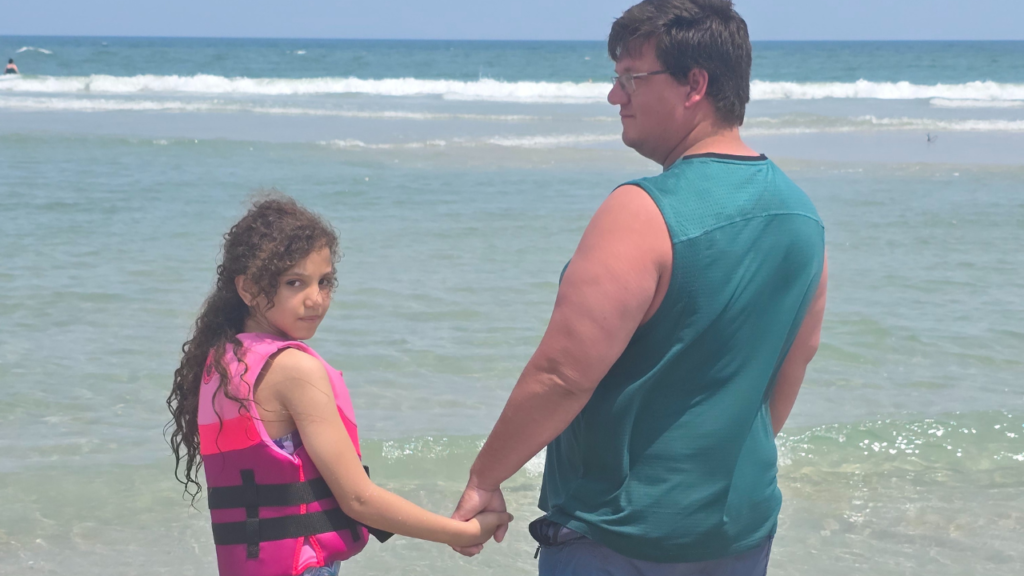
How Do You Keep Kids Safe In The Ocean?
Keep children within arm’s reach, use properly fitted Coast Guard approved life vests for weaker swimmers, and teach basic ocean safety like warning flags, rip currents, and sudden drop-offs.
When kids are in the water, your attention needs to stay on them at all times.
Even when the ocean looks calm, conditions can change quickly, and things like waves, currents, and sudden drop-offs can catch kids off guard. Keeping them within reach makes it easier to step in right away if needed.
For younger kids or those who are not strong swimmers, life vests are one of the safest options.
Inflatable water wings might seem convenient, but they are not designed for real safety. A properly fitted, Coast Guard approved life vest provides consistent support and helps keep your child positioned safely in the water.
I also believe in teaching kids what to look for, even at a young age.
Simple things like recognizing beach warning flags, understanding that water depth can change suddenly, and knowing to stay close go a long way. You are not expecting them to master ocean safety, but giving them awareness adds another layer of protection.
Why This Matters
- Ocean conditions can change quickly
- Kids tire faster than they realize
- Drop-offs and currents are not always visible
- Extra awareness helps prevent panic situations
Keep It Simple And Consistent
Stay close, use the right safety gear, and talk to your kids about what to watch for. Those three things alone can make a big difference in keeping everyone safe in the water.
7. Choose A Safe Beach Setup And Stay Within Sight
Choosing a safe beach setup means positioning your family near lifeguards and using a buddy system so everyone is accounted for both in and out of the water.

Where Should You Sit On The Beach For Safety?
Set up your spot within clear view of a lifeguard tower and keep your family grouped together. Use a buddy system so no one is ever alone in the water or wandering too far on the beach.
Where you choose to sit at the beach matters more than most people think.
Instead of just picking the closest open space, look for a spot where you can clearly see a lifeguard tower. It gives you an extra layer of awareness and quicker access to help if anything happens.
Pay attention to beach warning flags as well. Different colors signal conditions like calm water, strong currents, or unsafe swimming. Taking a few seconds to understand them can help you avoid getting into dangerous situations.
I also make it a point to keep everyone anchored to a central spot.
Beaches get crowded, kids move around, and it is easy to lose track of where everyone is if you are not paying attention. Having a clear “home base” helps everyone know where to come back to without confusion.
The buddy system is another simple habit that goes a long way.
This is not just for kids. Everyone should be paired up or accounted for, whether they are in the water or walking along the shore. It keeps people from drifting too far and makes it easier to notice quickly if someone is missing or needs help.
Why This Matters
- Lifeguards add an extra layer of safety
- A central setup keeps everyone oriented
- Buddy systems reduce the risk of someone being alone
- Makes it easier to respond quickly if something goes wrong
Keep It Simple
Pick your spot with intention, stay within view of help, and keep your group connected. Small decisions like this make a big difference in how safe your beach day feels.
8. Understand Beach Rules And Rip Current Safety
Understanding beach rules and rip current safety helps families avoid dangerous situations by following local guidelines and knowing how to respond if strong currents pull them away from shore.
What Beach Safety Rules Should Families Follow?
Follow posted beach rules, pay attention to lifeguard guidance, and understand rip current safety. If caught in a rip current, stay calm, float if needed, and swim parallel to shore until you are out of the current.
Every beach has its own set of rules, and taking a moment to understand them can make a big difference in how safe your day is.
These rules are not there to limit your fun. They are based on real conditions at that specific beach, including currents, wave patterns, and known hazards. When lifeguards or posted signs give guidance, it is always worth paying attention.
One of the biggest things families should be aware of is rip currents.
They are not always easy to spot, and they can pull even strong swimmers away from shore quickly. This is why I always make sure to understand the basics before getting into the water, especially when traveling to a beach I am not familiar with.
If you or someone in your family ever gets caught in a rip current, the most important thing is to stay calm.
Trying to fight directly against it can wear you out fast. Instead, swim parallel to the shoreline until you are out of the current, then make your way back in.
Why This Matters
- Beach rules are based on real, local risks
- Rip currents can affect swimmers of all skill levels
- Knowing what to do helps prevent panic
- Preparation makes it easier to respond quickly
Keep It Simple
Take a few minutes to understand the rules of the beach you are visiting and talk through basic safety with your family. It is a small step that can make a big difference if something unexpected happens.
9. Respect Marine Life And Follow Beach Guidelines
Respecting marine life and following beach guidelines helps protect your family from injuries while preserving the natural environment for everyone to enjoy safely.
How Should Families Handle Marine Life At The Beach?
Keep a safe distance from marine animals like jellyfish and crabs, avoid touching anything unfamiliar, and follow posted beach rules about what is allowed to keep both your family and the environment safe.
When you are at the beach, you are stepping into an environment that belongs to more than just visitors.
It is natural for kids to be curious, especially when they see things like crabs, shells, or jellyfish along the shore. But not everything that washes up is safe to touch. Some marine life can sting, pinch, or cause irritation even when it looks harmless.
I always make it a point to remind kids to look, not touch.
Giving animals space protects them, but it also protects your family from unnecessary injuries that can quickly interrupt your day.
Along with that, every beach has its own set of guidelines.
Some restrict things like glass containers, certain toys, or activities that could become unsafe in crowded or active areas. Taking a moment to read posted signs helps you avoid issues and keeps the beach safer for everyone around you.
Why This Matters
- Prevents stings, bites, and injuries
- Teaches kids awareness and respect for nature
- Keeps the beach environment safe and clean
- Helps you avoid breaking local rules without realizing it
Keep It Simple
Look, do not touch, and follow posted guidelines. These small habits protect your family and help keep the beach enjoyable for everyone.
10. Do Not Underestimate Beach Safety
Beach safety should never be overlooked because changing conditions, water hazards, and distractions can quickly turn a fun outing into a stressful situation if families are not prepared and paying attention.

Why Is Beach Safety So Important For Families?
Beach safety matters because conditions can change quickly, and small oversights can lead to bigger problems. Staying aware, prepared, and proactive helps prevent accidents and keeps your family’s beach day safe and enjoyable.
It is easy to get comfortable at the beach.
The sound of the waves, kids playing, and the overall relaxed atmosphere can make it feel like everything is under control. But the reality is that the beach is always changing, even when it looks calm.
Over time, I have learned that most safety issues do not come from one big mistake. They come from small things being overlooked.
Looking away for a moment. Assuming the water is still calm. Not noticing how quickly the tide is shifting or how far someone has moved from your setup.
That is why I treat beach safety as something ongoing, not something you check off once and forget.
Staying aware, keeping your routine consistent, and paying attention to your surroundings helps you catch things early before they turn into bigger problems.
Why This Matters
- Conditions change even when the beach looks calm
- Small oversights can add up quickly
- Staying consistent reduces risk
- Awareness helps you respond faster
Keep It Simple
Do not let the relaxed environment lower your guard. When you stay aware and prepared, you can enjoy the beach with confidence instead of worrying about what might go wrong.
FAQ: Beach Safety Tips For Families
What is the most important beach safety rule for families?
The most important rule is active supervision. Children should always be watched closely, especially near the water. Even confident swimmers need consistent adult attention at the beach.
Are lifeguarded beaches safer for families?
Yes. Beaches with lifeguards provide an extra layer of safety, especially for families with children. Lifeguards are trained to spot hazards and respond quickly in emergencies.
How can parents keep track of kids on crowded beaches?
Choose a clear meeting spot and dress kids in bright or easily recognizable clothing. Staying close together and doing regular headcounts helps prevent separation.
What should families know about ocean currents and waves?
Parents should learn to recognize rip currents and teach kids to stay calm if caught in one. Knowing when to avoid swimming based on conditions is key to beach safety.
Is sunscreen enough to protect kids from the sun?
No. Sunscreen should be combined with shade, protective clothing, and hydration. Sun exposure adds up quickly at the beach, even on cloudy days.
What footwear is safest for kids at the beach?
Water shoes or sturdy sandals help protect feet from sharp shells, hot sand, and slippery surfaces. Bare feet can increase the risk of cuts or falls.
How can families stay hydrated at the beach?
Bring plenty of water and encourage kids to drink regularly. Thirst is not always a reliable signal, especially when kids are active in the sun.
Are beach toys and floats safe for swimming?
Inflatable toys are not safety devices. They can drift quickly and give a false sense of security. Children should always swim under close supervision.
How can parents teach kids beach safety without causing fear?
Use calm, age-appropriate language and explain safety as a way to help everyone have fun longer. Confidence and preparation are more effective than fear-based rules.
Enjoy The Beach With Confidence
A safe beach day does not come from doing one thing right. It comes from paying attention to the small details that work together to protect your family.
From choosing where you sit, to understanding ocean conditions, to keeping a close eye on your kids in the water, each step plays a role in how your day unfolds.
The good news is, once you know what to look for, it becomes second nature.
You are not trying to control every moment. You are simply staying aware, prepared, and ready to adjust when needed.
That is what allows you to actually relax and enjoy the beach instead of constantly worrying.
Because at the end of the day, the goal is not just to have fun. It is to make sure everyone leaves with good memories and comes back ready to do it all again.
Before You Head Out
Take a few minutes before your next beach trip to go over these safety tips with your family.
Talk through what to expect, what to watch for, and what everyone should do in different situations. Even simple conversations can make a big difference once you are out there.
Want To Make Beach Days Even Easier?
If you are planning more beach trips with your family, I have put together additional guides to help you stay organized, pack smarter, and make the most of your time together.
- How To Plan The Perfect Family Beach Day This Summer
- How To Pack Efficiently For A Family Beach Vacation
- Best Beaches For Toddlers And Young Children
- Best North Carolina Beaches To Visit With Kids
- Affordable Beach Vacations For Families On A Budget
You can explore more tips, planning guides, and family-friendly beach ideas here:
This is such a comprehensive guide to beach safety! I appreciate how you’ve broken down everything from understanding rip currents to choosing the right beachwear. It’s a reminder that a safe beach day requires more than just packing sunscreen. The tip about teaching kids to identify rip currents and understand the beach flag system really stood out to me, it’s empowering and practical. This article makes me feel much more prepared for my next family beach outing. Great work!
Hey Kavitha,
Thank you so much for your kind words! It means a lot to know that the guide resonated with you and that you feel more prepared for your next family beach outing. Empowering families, especially kids, to understand beach safety is one of the most important steps to enjoying a carefree day by the water.
Teaching kids about rip currents and the beach flag system not only builds their confidence but also gives parents peace of mind. It’s wonderful to hear that this tip stood out to you. It really can make a big difference.
Wishing you and your family a fun and safe time on your next beach adventure! If you have any more questions or need tips for your trip, feel free to reach out. 🌊☀️
Staying safe at the beach is indeed much more than just grabbing swimwear and sunscreen. Knowing if it is a safe beach for swimming, requires some research into the local conditions, specially if you are a holiday maker and not familiar with the local beach.
Looking out for rips in the water, is something that is essential if you do not want to be washed out to see. But what do you do if you do get caught in a rip tide? Do you have tips on how to identify a rip tide?
Thank you for sharing.
Thank you for highlighting such an important aspect of beach safety! You’re absolutely right! Choosing a safe beach and understanding local conditions are key, especially for holidaymakers unfamiliar with the area.
To identify a rip current, look for:
Darker patches of water where sand is being pulled out to sea.Rippled surfaces or choppy waves in an otherwise calm area.Foamy, sandy water flowing away from the beach, often beyond the breaking waves.
If you ever get caught in a rip current, here’s what to do:
Stay calm: panicking will exhaust you faster.Float or tread water to conserve energy and avoid fighting the current.Signal for help by raising one arm if you’re struggling to escape.Swim parallel to the shore to break free from the rip; once you’re out, head back to shore at an angle.
And, of course, always swim at beaches with lifeguards when possible, as they can provide guidance on safer swimming zones.
I hope these tips help! Let me know if you’d like more resources or details. Staying informed is the first step to enjoying the beach safely. 🌊