



Planning the perfect family beach day starts with a simple approach. Focus on timing, packing the right essentials, and choosing activities that match your kids’ energy levels. When you plan ahead without overcomplicating things, your beach day feels smoother, less stressful, and more enjoyable for everyone.
Instead of trying to do everything, build your day around a few key moments:
- A calm, easy start
- Active play when energy is high
- A slower reset when kids need a break
This kind of flexible plan helps you avoid common beach day stress like forgotten items, overtired kids, or trying to do too much at once.
After going through beach trips with a baby, the toddler stage, and now an older child with a toddler, I have learned that planning is not about packing more or scheduling every minute. It is about setting yourself up so the day flows. When you have what you need and a simple plan in place, everything feels calmer.
The goal is not to control the day. It is to enjoy it. Here is how to plan a family beach day that actually feels relaxing and fun for everyone.
TL;DR: How To Plan The Perfect Family Beach Day This Summer
To plan the perfect family beach day, focus on simple preparation. Pack extra essentials, arrive early for calmer conditions, and build your day around your kids’ energy. Mix active play with slower moments so everyone stays comfortable, relaxed, and able to enjoy the experience.
Start With The Right Beach Choice
Choosing the right beach is key to a successful family beach day. Look for locations with calm water, easy access, available space, and helpful amenities like restrooms. A beach that matches your family’s needs helps reduce stress and makes the day more enjoyable.

Choosing the right beach is one of the most important parts of planning a smooth family beach day. Some beaches look beautiful but can feel stressful with kids, while others are set up in a way that makes everything easier from the moment you arrive.
When I choose a beach, I focus on how simple it will be to get settled and stay comfortable for a few hours. I look for open space so we are not crowded, access to restrooms when possible, and water conditions that feel manageable for kids. Beaches like Wrightsville Beach have worked well for us because of the tide pools, while calmer spots like Holden Beach make it easier for younger kids to enjoy the water without feeling overwhelmed.
It also helps to think about the walk from parking to the sand. Carrying chairs, bags, and possibly a tired child can turn a short distance into a long one. Easy access or closer parking can make a big difference before your day even begins.
The right beach removes small stress points and sets the tone for a more relaxed, enjoyable day.
Highlights
- Choose beaches with enough space to spread out comfortably
- Look for calm, manageable water for younger kids
- Consider parking distance and ease of access
- Check for helpful amenities like restrooms and food nearby
- Match the beach environment to your family’s needs
Pack With Real Life In Mind
Packing for a family beach day should focus on being prepared rather than packing light. Bring extra clothes, snacks, and full-size essentials, and organize items by person. This helps prevent disruptions and makes it easier to stay comfortable and enjoy the day.

Packing for a family beach day is not about packing light. It is about packing in a way that keeps your day running smoothly once you are already set up.
I always plan for more than I think we will need. Extra outfits, extra swimsuits, and plenty of snacks make a big difference because kids get wet, sandy, and hungry faster than expected. Having backups keeps small inconveniences from turning into bigger disruptions. Once you are settled, the goal is to stay there, not make extra trips or wish you had packed something differently.
One thing that helps is packing by person. Each child has their own set of essentials in one place, which makes it easier to grab what you need without digging through a single crowded bag. It keeps things organized and saves time throughout the day.
I also bring full-size essentials when possible. Sunscreen, wipes, and other frequently used items run out quickly at the beach, and having enough on hand removes that low-level stress of trying to stretch what you brought.
The goal is simple. Pack in a way that lets you stay present and enjoy the day instead of managing what is missing.
Highlights
- Pack extra outfits and swimsuits for each child
- Bring more snacks and drinks than you expect to use
- Organize items by person for quick access
- Use full-size essentials like sunscreen and wipes
- Pack to avoid mid-day disruptions or shortages
Set Up Your Space First
Setting up a beach home base as soon as you arrive helps keep your day organized and stress-free. Choose a spot with good visibility, set up essentials like chairs and shade, and keep items grouped so kids can easily return and everything stays within reach.

Setting up your space as soon as you arrive makes the rest of your beach day feel more organized and less reactive. Taking a few extra minutes at the start helps you avoid constantly adjusting things later.
I usually choose a spot with a clear view of the water and enough space for the kids to move around safely. Once we put down chairs, towels, and our main bag, it becomes our home base. The kids know exactly where to come back to, and I am not repositioning everything throughout the day.
Shade is just as important. An umbrella or beach tent gives everyone a place to cool off, eat, and reset without having to leave your spot. It helps extend your time at the beach because you have somewhere to take a break when the sun gets intense.
Keeping your setup simple also helps. Group your essentials in one main area so you are not searching for things when you need them. A well-placed home base keeps everything within reach and makes the day feel more relaxed.
Once your space is set, everything else becomes easier to manage.
Highlights
- Choose a spot with a clear view of the water
- Set up chairs, towels, and bags right away
- Create a home base kids can return to easily
- Bring shade like an umbrella or tent for breaks
- Keep essentials grouped for easy access
Keep The First Activity Simple
Starting a beach day with a simple activity like sand play or shoreline exploring helps kids adjust to the environment before entering the water. This gradual approach builds comfort, reduces overwhelm, and makes the transition into more active play smoother.
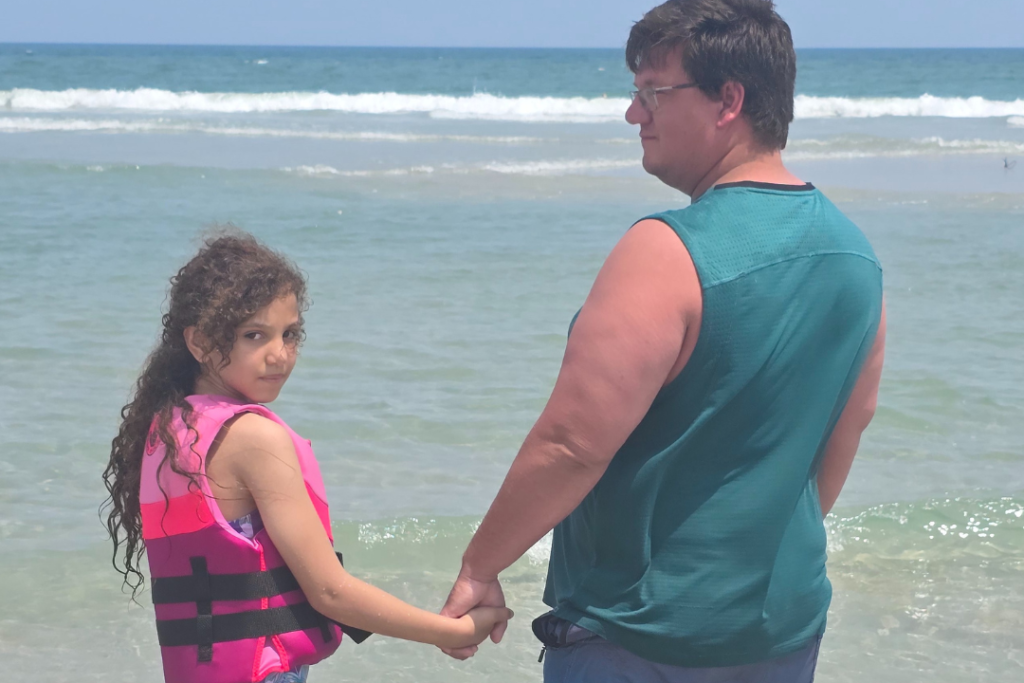
Starting your beach day with a simple, low-energy activity helps kids ease into the environment before jumping into the water. Instead of going straight into waves or high-energy play, beginning with something calm makes the transition feel smoother for everyone.
We usually start with sand play or a short walk along the shoreline. It gives the kids time to adjust to the temperature of the water, the feel of the sand, and the overall environment. That short adjustment period can make a big difference, especially if the water is colder or the waves are stronger than expected.
For younger kids, this step helps build comfort and confidence before going deeper into the water. For older kids, it naturally leads into more active play without feeling rushed or overwhelming.
This approach also helps prevent early meltdowns. Instead of going from zero to full energy right away, you are building into the day in a way that feels natural and manageable.
Once everyone is settled, moving into the water becomes easier and more enjoyable.
Highlights
- Start with sand play or shoreline exploring
- Give kids time to adjust to water and surroundings
- Avoid jumping straight into high-energy activities
- Help younger kids build comfort gradually
- Create a smoother, more relaxed start to the day
Plan A Few Easy Activities (But Keep It Flexible)
Planning a few simple beach activities helps keep kids engaged without needing a strict schedule. Flexible options like boogie boarding or treasure hunts allow parents to adjust based on energy levels while still leaving room for unstructured play.
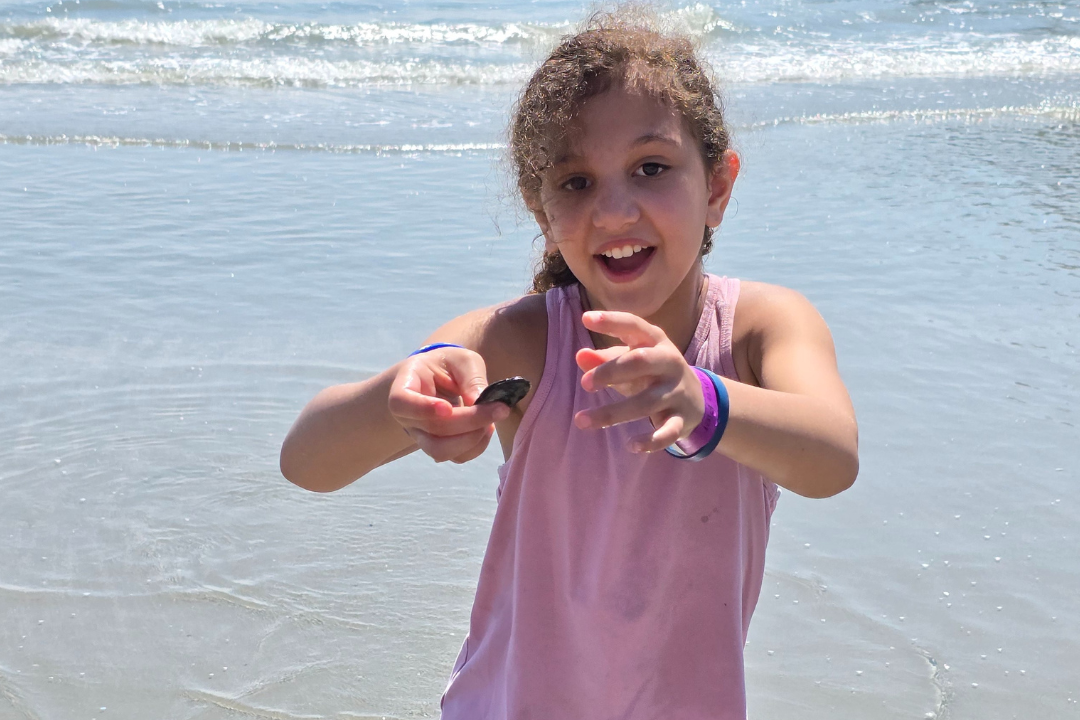
Planning a few simple activities ahead of time helps keep your beach day engaging without feeling repetitive. You do not need a full schedule. Just having a few go-to options makes it easier to shift gears when your kids’ energy changes.
We usually keep a short list in mind, like boogie boarding, water frisbee, or a quick treasure hunt. These are easy to start and do not require much setup, which makes them perfect for filling those in-between moments when kids start to lose interest or need something new.
What matters most is keeping it flexible. You are not trying to move from one activity to the next on a schedule. You are simply offering options when the moment feels right. That approach keeps the day feeling natural instead of structured.
I have noticed that when kids know there is something coming, even something small, they stay more engaged and less restless. It helps avoid that “what are we doing next?” moment without needing to constantly entertain them.
At the same time, leave room for unplanned moments. Some of the best parts of a beach day happen when your kids create their own fun without direction.
Highlights
- Keep a few simple activities in mind
- Use activities to reset energy and interest
- Choose low-effort options with minimal setup
- Let kids help decide what to do next
- Balance planned ideas with free play
Plan For Food And Breaks
Planning for food and breaks helps keep a family beach day running smoothly. Bring simple, ready-to-eat snacks in a cooler and take short breaks in the shade to reset energy. This prevents hunger-related meltdowns and helps everyone stay comfortable longer.

Food and breaks play a big role in how your beach day feels, especially with kids. When hunger hits, energy drops quickly, and even simple moments can become harder to manage.
I like to keep food simple and ready to eat. Things like cut fruit, sandwiches, and snacks that hold up well in a cooler make it easy to grab something without stopping the flow of the day. The goal is to keep everyone fueled without turning mealtime into a full setup.
We also take short, natural breaks throughout the day. Sitting in the shade, having a snack, or just pausing for a few minutes helps everyone reset. It does not have to be announced. You can just shift into a slower moment when you notice energy starting to dip.
These small resets make a big difference. They help extend your time at the beach and keep the day feeling relaxed instead of overwhelming.
Highlights
- Pack simple, ready-to-eat foods
- Use a cooler to keep items fresh and easy to access
- Take short breaks in the shade throughout the day
- Keep meals quick and low effort
- Use breaks to reset energy without interrupting the flow
Know When To Wrap It Up
Knowing when to leave the beach helps ensure a positive family experience. Watch for early signs of fatigue and begin packing up gradually before kids become overtired. Leaving on a high note keeps the day enjoyable and makes future trips more appealing.
Knowing when to leave the beach can make a big difference in how the entire day feels. It is tempting to stay until everyone is completely worn out, but that often leads to a stressful ending.
I have found that leaving while everyone is still in a good mood works best. When you end on a positive note, the day feels complete instead of rushed or overwhelming. It also makes the next beach trip something your kids look forward to instead of needing time to recover from.
Watching for small signs helps you time it right. Slower movement, frustration, or losing interest are usually signals that it is time to start wrapping up before things shift.
Instead of stopping everything at once, begin packing up gradually. Let the kids have a few last moments in the sand or water while you organize your things. That gentle transition makes leaving feel easier for everyone.
Ending the day well is just as important as how you start it.
Highlights
- Leave before kids become overly tired or overwhelmed
- Watch for early signs of fatigue or frustration
- Start packing up gradually instead of all at once
- Let kids enjoy a few final moments while you prepare
- End the day on a calm, positive note
Frequently Asked Questions About Planning The Perfect Family Beach Day This Summer
What is the best time to start a family beach day?
Early morning is usually the best time to start. Arriving before the crowds gives you easier parking, calmer water, and more space for kids to play safely. It also helps you avoid the hottest part of the day, which can make a big difference with younger children.
How long should a family beach day last?
Most family beach days work best in a 3 to 5 hour window. This gives kids enough time to play, eat, and explore without becoming overtired or overwhelmed. Ending while everyone is still in a good mood makes the experience more enjoyable and easier to repeat.
What should I pack for a successful beach day with kids?
Focus on essentials that keep everyone comfortable and flexible. Bring extra swimsuits, towels, snacks, water, sun protection, and a simple shade setup like an umbrella or tent. Packing a few backup items helps you handle spills, weather changes, or tired kids without stress.
How do I keep my kids entertained at the beach?
Plan a mix of activities instead of relying on just one. Alternate between water play, sand activities, snacks, and short breaks to keep energy balanced. Simple things like building sandcastles, collecting shells, or playing in shallow water often keep kids engaged longer than overcomplicated plans.
What is the easiest way to manage food and snacks at the beach?
Bring ready-to-eat options that require little to no setup. Cut fruit, sandwiches, and simple snacks work well and are easy to grab between activities. Keeping food simple helps avoid mess and makes it easier to keep the day moving smoothly.
How do I protect my kids from too much sun exposure?
Use a combination of sunscreen, shade, and timing. Reapply sunscreen every couple of hours, bring a beach umbrella or tent, and take breaks out of direct sun when needed. Rash guards and hats also help reduce how much skin is exposed throughout the day.
What are signs it is time to leave the beach?
Watch for signs like crankiness, slow movement, or kids losing interest in activities. These are early signals of fatigue or overstimulation. Leaving before everyone is completely exhausted helps end the day on a positive note.
How do I make packing up easier with kids?
Start packing gradually instead of all at once. Let kids enjoy a few last moments while you organize your things in stages. This makes the transition feel smoother and avoids the stress of rushing at the end.
Do I need a strict schedule for a beach day?
A loose plan works better than a strict schedule. Having a general idea for arrival time, snacks, and breaks helps, but staying flexible allows you to adjust based on your kids’ energy and mood. The goal is a relaxed, enjoyable day rather than sticking to a rigid plan.
What is the biggest mistake families make at the beach?
Staying too long is one of the most common mistakes. It is tempting to stretch the day, but pushing past your kids’ limits often leads to stress and exhaustion. Leaving a little early keeps the experience positive and makes everyone more excited for the next trip.
Final Conclusion
At the end of the day, planning the perfect family beach day is not about doing everything right. It is about making the day feel easier from start to finish.
When you choose the right beach, pack with real life in mind, set up your space early, and move through the day at your kids’ pace, everything starts to fall into place. You are not constantly reacting or fixing things. You are actually enjoying the moments as they happen.
Some of the best parts of a beach day are the ones you do not plan. The laughter in the water, the quiet moments in the sand, the little wins your kids feel when they try something new. Having a simple plan just makes more room for those moments to happen.
You do not need a perfect schedule. You just need a plan that supports your family.
If you want to make your next beach day feel even easier, I put together something that helps you keep all of this simple and organized.
Download The Ultimate Family Beach Trip Planner + Packing Checklist to help you plan your day, pack what you actually need, and avoid those last-minute “we forgot something” moments.
👉🏾 Get The Free Planner and start your next beach day feeling prepared, relaxed, and ready to enjoy it.
This is a great reminder to plan ahead and be prepared. I often forget to plan for the slower, rest moments, but those are actually the most important to me. The beach is not just for activity, it is also for rest and relaxation.
When traveling with kids, packing light usually does not work. It is better to be realistic and come prepared for the unexpected. One thing I am working on is starting the day more slowly. Taking time to settle in, find a good spot, and get organized first makes everything else flow much better.
Hi John,
I really appreciate this comment because you captured something a lot of families overlook. Those slower, rest moments are often what make the whole beach day feel enjoyable instead of overwhelming.
I also agree with you on packing. With kids, being prepared makes a big difference, especially when plans shift or little needs pop up throughout the day. It is less about overpacking and more about packing intentionally so you can relax once you get there.
Starting slow is such a great habit to build. Taking a few minutes to settle in, choose a good spot, and get organized can completely change the tone of the day. It helps everyone ease into the experience instead of jumping straight into chaos.
I’m glad you found value in this info,
Marlinda
Wow, you have thought of everything in this article and you are right, one should plan what to take so that your day flows nicely. I always tend to forget something as it is usually a last minute decision to go to the beach as our city has very interchangeable weather – four seasons in one day.
Taking enough food is key so that you don’t end up buying junk, and of course the sunblock is a must. I have also learnt that a fold up chair is a must have if you don’t want to be covered in sand.
Hi Michel,
Thank you so much for your kind words. I completely relate to that “four seasons in one day” weather. Those last-minute beach trips can be fun, but they are usually when something gets left behind.
You are absolutely right about food and sunblock. Having enough on hand makes the day smoother and helps you avoid scrambling or settling for things you did not plan for. And yes, a fold-up chair is one of those small things that makes a big difference in comfort.
If forgetting items is something you run into often, I actually shared how I organize everything using a simple grid method in one of my YouTube videos. It is a really easy way to lay out what each person needs so nothing gets missed, even on quick trips.
You can learn more by clicking here
It has helped me stay consistent, especially with unpredictable weather days like you mentioned.
Keep getting outdoor with your family,
Marlinda
Planning the perfect family beach day is full of good tips for famiy beach vactions. Sadly, I have no family to vaction with at this time in my life. My three boys are grown up living far from me now, but I will be sharing your website and this article with my three sons and their families.
This article provides a very good step-by-step plan on planning your family vacation on the beach of your choosing, I like how you mention being flexible with our beach vacation planning.
Jeff
Hi Jeff,
Thank you for sharing this. I really appreciate you taking the time to read and leave such a thoughtful comment.
I completely understand what you mean. Family seasons change, and it can feel different when the kids are grown and building lives of their own. The fact that you are thinking of sharing this with your sons and their families says a lot. That connection is still very much there, just in a new way.
I am glad the flexibility stood out to you. That is something I have learned over time. Beach days and family trips rarely go exactly as planned, but that is often where the best moments come from.
And honestly, beach days can still be meaningful no matter the stage of life. Whether it is a quiet walk, sitting by the water, or even planning a future trip together, there is always something special about being there.
Thank you again for your kind words and for passing this along to your family. It truly means a lot,
Marlinda