


There’s something about a beach day that brings out the kid in all of us. The moment your feet touch the sand, the world just slows down. Kids run with excitement. Parents breathe a little deeper. The sound of waves instantly feels like a reset button. But along with all that joy comes the quiet mental checklist every parent carries:
- Are we close enough to the kids?
- Is the tide changing?
- Did we reapply sunscreen?
Beach safety doesn’t have to take away from the experience. In fact, when you feel prepared, the day becomes even sweeter. You’re not hovering with fear, you’re present with confidence. You’re enjoying the moment instead of worrying through it. And most importantly, your kids feel safer because you feel grounded.
I’m going to assume you are familiar with standard procedure of life jackets and flotational devices. If not, make sure you use them in order to keep your kids safe.
This guide is here to help you create those calm, connected beach days. Ones where everyone has fun, everyone feels secure, and you walk away with memories instead of stress.
Let’s break down the most essential safety tips to help your family enjoy the beach with peace of mind.
Disclaimer: This guide shares general beach safety tips for families and is not a substitute for professional advice. Always supervise children closely and follow local beach rules, posted warnings, and guidance from lifeguards. Conditions vary by location, and parents are responsible for making the safest decisions for their family.
1. Stay Within Arm’s Reach Near the Water: The Golden Rule of Beach Parenting
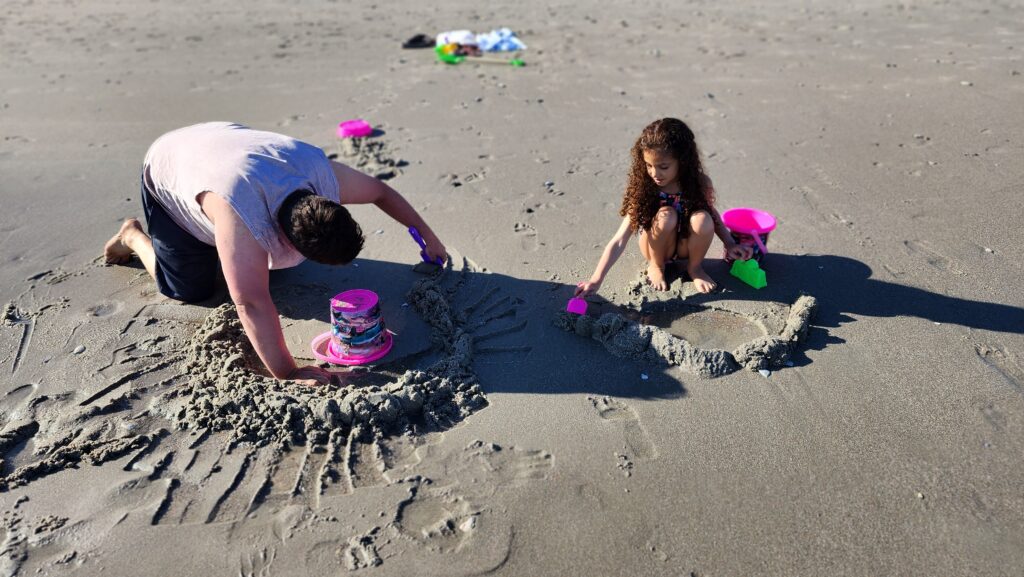
No matter how strong a swimmer your child may be, water deserves respect. The ocean is beautiful, but it’s also unpredictable. Currents shift. Waves surprise. And kids, especially when they’re excited, sometimes forget how fast things can change.
The safest approach? Stay within arm’s reach for young kids and within very close visual range for older ones.
When parents are close, kids:
- Feel supported
- Can explore confidently
- Learn healthy respect for the water
When parents are too far away, kids:
- Misjudge depth
- Don’t recognize a change in wave strength
- May panic before you can reach them
Children are more relaxed when they know their parent is right beside them. It turns the ocean from something potentially overwhelming into something fun, shared, and safe.
2. Choose Beaches With Calm, Kid-Friendly Conditions
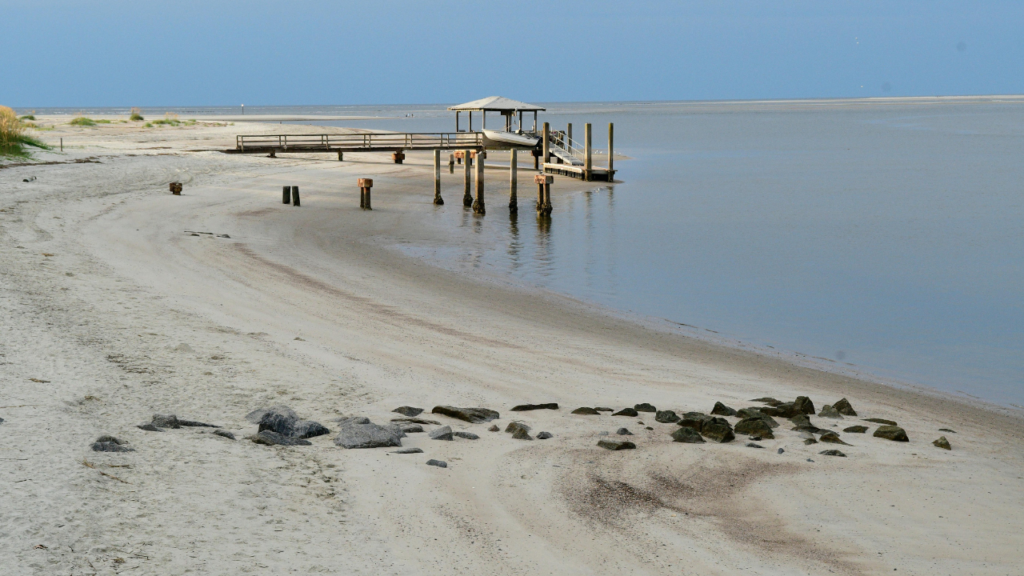
Not all beaches are created equal, especially when kids are involved. Even within the same destination, one side of the coastline might be calm and perfect for families, while another could have stronger currents.
Look for beaches with:
- Gentle waves
- Gradual shorelines
- Lifeguard stations
- Safe swimming zones
- Clear posted warnings
Family-friendly beaches often feel noticeably calmer the moment you arrive. You’ll see other families comfortably playing near the water, and you’ll feel instantly reassured.
A beach known for rip currents or steep drop-offs might be beautiful, but it’s not necessarily the best fit when you have younger kids in tow. Choosing the right beach transforms the whole experience. If you’re looking for some recommendations checkout our Top 10 Beach Town Recommendations for Kids.
3. Sun Protection Isn’t Optional: It’s Part of Beach Safety

A safe beach day includes protecting your family’s skin from sunburn, heat exhaustion, and dehydration. Sun safety is one of the most important parts of keeping kids healthy and comfortable at the beach.
Apply sunscreen before your kids hit the sand because once they touch it, their excitement makes everything harder. Then reapply:
- Every 90 minutes
- After swimming
- After heavy sweating
Layer your protection:
- UV shirts
- Wide-brimmed hats
- Sunglasses
- A beach shade or umbrella
Keeping all sun care in a dedicated pouch makes things easier. Beach days move fast — you need to grab and go, not search through an overstuffed bag.
4. Keep Hydration and Snacks Close: Safety Starts With Energy

The beach burns energy fast. The heat, saltwater, and constant movement mean kids need hydration and fuel more often than usual.
Signs of dehydration in kids can appear subtly:
- Irritability
- Dizziness
- Fatigue
- “Sudden tiredness” that isn’t typical
A simple cooler stocked with water, fruit, and snacks keeps everyone balanced. Reusable bottles reduce spills and help you track how much your kids are drinking.
When kids stay hydrated, they:
- Think more clearly
- Play safely
- Have more endurance
- Avoid heat-related issues
A quick snack and a sip of water can be the difference between a happy beach day and a meltdown.
5. Teach Kids Simple Ocean Awareness: Empower Them Without Fear
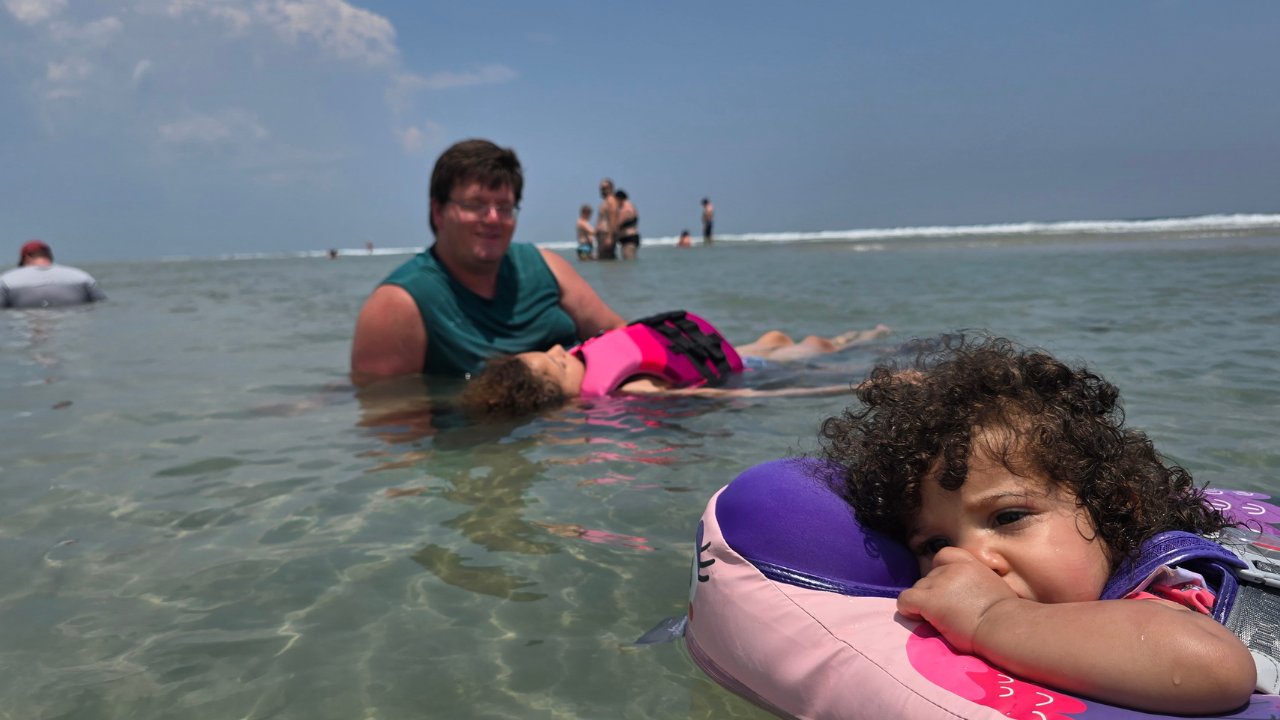
Kids understand more than we sometimes realize, and teaching them simple, age-appropriate ocean rules helps them stay safer.
Teach them:
- Never turn their back to the waves
- Always look for your spot on the beach
- Stay with the family at all times
- Know a “safe depth” (usually waist-high)
- Come back to you immediately when called
This isn’t about creating fear, it’s about giving them tools. When kids understand the basics, they become more aware, more confident, and more connected to what’s happening around them.
6. Dress Kids in Bright Swimwear to Keep Them Visible
This tip might seem small, but it makes a massive difference.
Bright swimwear stands out against:
- The water
- The sand
- Crowds
- Play areas
Neons, bright pinks, oranges, yellows, and bold greens are your best friends at the beach.
If you’re traveling with multiple kids, choosing different colors for each makes visual tracking even easier. Parents love this tip because it reduces the strain of scanning large areas, your eyes go straight to them.
7. Pack a Small Safety Kit: A Little Preparedness Goes a Long Way
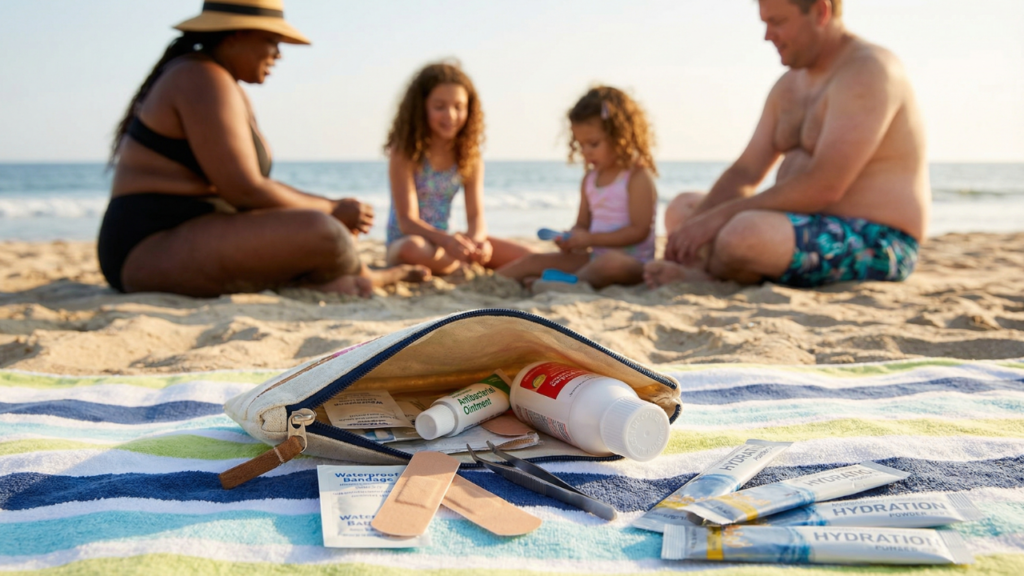
Kids + nature + excitement = unexpected little injuries. A safety kit prevents small issues from turning into time-consuming ones.
Pack:
- Waterproof bandages
- Antibacterial ointment
- Tweezers (for splinters or shells)
- Kids’ pain reliever
- Aloe for sun irritation
- Hydration packets
Keeping these items in one pouch saves time and gives you peace of mind. Everything you need is right where it should be.
8. Set Expectations Before Play Starts: Keep It Simple
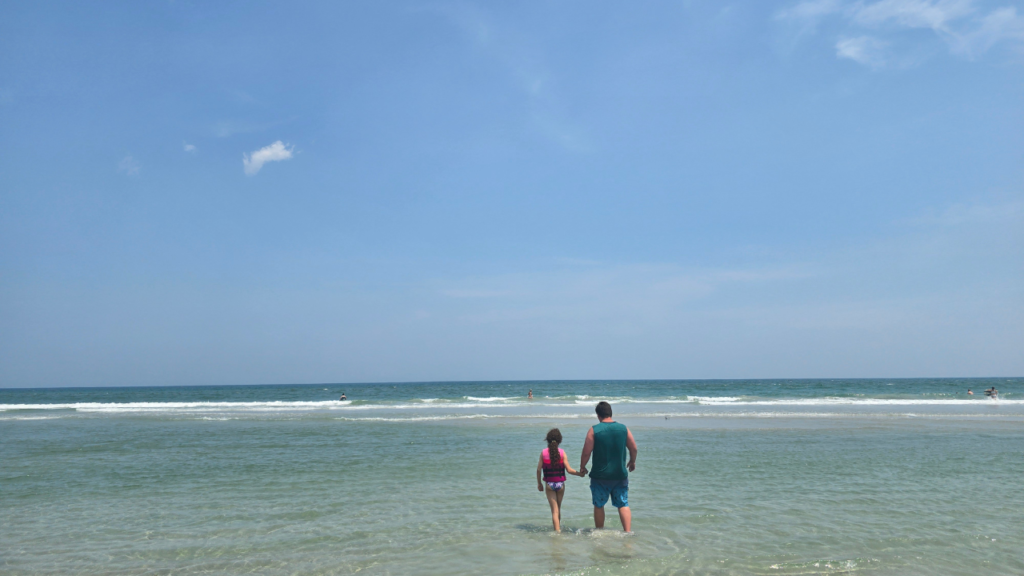
Setting gentle rules upfront helps everyone have a better day. Kids do best when they know what’s expected of them.
Before they run off, say something like:
- “Stay where we can see each other.”
- “Don’t go deeper than your waist unless I’m with you.”
- “Come back when I call your name.”
This 60-second family huddle minimizes misunderstandings. Your kids feel clear and confident and you feel more relaxed.
9. Pay Attention to Flags, Weather, and Water Conditions
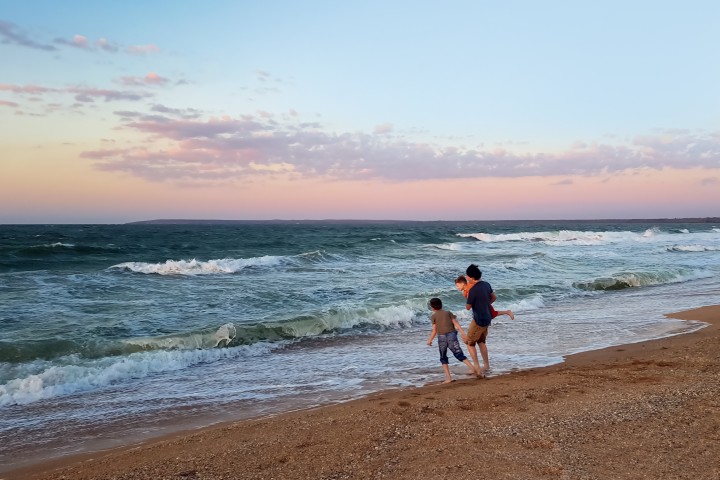
Nature has its own personality, and the beach can change quickly. Paying attention to posted flags or warning signs helps you stay ahead of potential risks.
Green flag = calm
Yellow = use caution
Red = strong currents, stay very close
Double red = water closed to the public
If wind picks up, waves grow taller, or the sky darkens, it may be time to take a break. Knowing when to pause keeps everyone safe without spoiling the day.
10. Enjoy the Beach With Your Kids: Your Presence Is the Real Safety Net
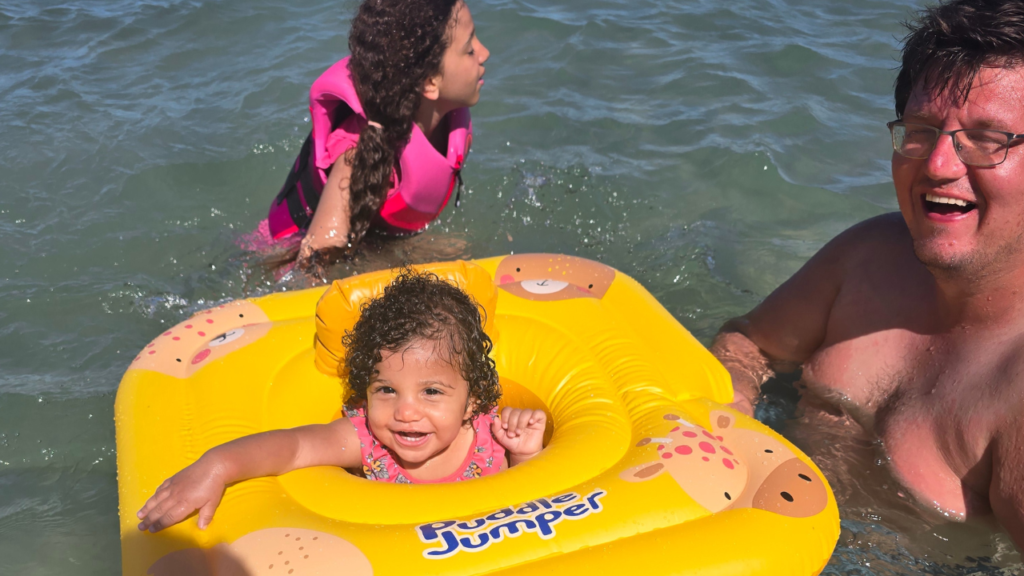
Kids feel safest when parents are close, engaged, and present. You don’t need to be hovering, you just need to be near. Playing together, walking together, splashing together, these moments naturally create safety through connection.
When you’re involved:
- Kids stay closer
- You react faster if needed
- You notice changes in tides or conditions
- Your children feel more confident
Safety isn’t about removing the fun. It’s about sharing it.
The sweetest beach memories happen when parents are right there in the moment, laughing, splashing, and soaking up the sunshine beside their children.
FAQ: Teaching Kids Ocean Awareness
What age should I start teaching my child about ocean safety?
You can begin teaching ocean awareness as soon as your child can walk and understand simple instructions. Even toddlers can learn basic rules like staying close to a parent and watching the waves. The goal is to keep lessons gentle, consistent, and age-appropriate as they grow.
How do I teach ocean safety without scaring my child?
Focus on calm, positive language that supports curiosity rather than fear. Show them what to look for, explain why certain rules keep everyone safe, and model confidence yourself. Kids take emotional cues from their parents, so a steady, relaxed tone helps them feel secure.
What are the most important ocean rules for kids to remember?
Start with simple fundamentals: stay where a parent can see you, never turn your back to the waves, don’t go deeper than your waist unless a parent is with you, and return immediately when called. These basics build a strong foundation for older, more advanced safety lessons later.
How can I help my child spot changing ocean conditions?
Teach them to pay attention to wave size, water color, flags, or any posted beach warnings. Make it a shared activity by checking the water together before playing. This helps them develop awareness naturally without feeling overwhelmed.
Does teaching ocean awareness help if my child is afraid of the water?
Yes. Learning what to expect often reduces fear because it turns the unknown into something familiar. Take slow steps, stay close, and celebrate small wins like dipping toes, splashing gently, or holding hands at the shoreline.
How do I get my older kids to listen to beach safety rules?
Older kids respond well to understanding why the rules matter. Explain how currents work, show them signs on the beach, or talk about how even strong swimmers respect the ocean. Involving them in the learning process builds responsibility and cooperation.
How often should we review beach rules with our kids?
Every trip is a good time for a quick, one-minute refresher. Kids get excited at the beach, and clear reminders help set expectations. Keeping it short and positive helps the message stick.
Should I still teach ocean awareness if we only visit calm beaches?
Absolutely. Conditions can change quickly, even in gentle areas. Teaching awareness early gives your child lifelong confidence and helps them stay safe in a variety of beach environments.
What if my child goes farther into the water than they should?
Stay calm, call them back firmly, and take it as an opportunity to repeat the rule together. Kids learn through repetition, and staying patient reduces anxiety for both of you. The goal is understanding, not punishment.
Can ocean awareness make beach trips more enjoyable?
Yes, when kids feel confident and know what to expect, they play more freely and safely. And when parents feel prepared, they can relax and enjoy the beach without constantly worrying. Awareness builds peace of mind for the whole family.
Conclusion: Give Kids Confidence, Not Fear
Teaching kids simple ocean awareness is one of the most powerful gifts you can give them. When they understand the basics like staying close, watching the waves, and recognizing their boundaries, they step into the water with confidence instead of uncertainty.
It’s not about warning them into fear. It’s about guiding them into understanding, curiosity, and connection so they can enjoy the beach safely by your side. When parents lead with calm, kids follow, and the day becomes smoother, easier, and so much more joyful.
Ready to build your child’s ocean awareness in a fun and gentle way? Explore more of our family-focused beach guides for tips that make safety simple and beach days unforgettable. Click the button to read more.