


The beach is one of the best classrooms you’ll ever find, and most kids don’t even realize they’re learning. Growing up surrounded by the ocean and now raising my own kids with regular beach days, I’ve seen firsthand how much natural learning happens when kids are given space to explore.
You don’t need worksheets. You don’t need screens. You don’t even need elaborate plans. The beach already teaches science, math, language, and problem-solving, all through play.
These fun and educational beach activities help kids learn while still feeling like they’re just having a great day at the shore.
1. Tide Pool Exploring and Observation
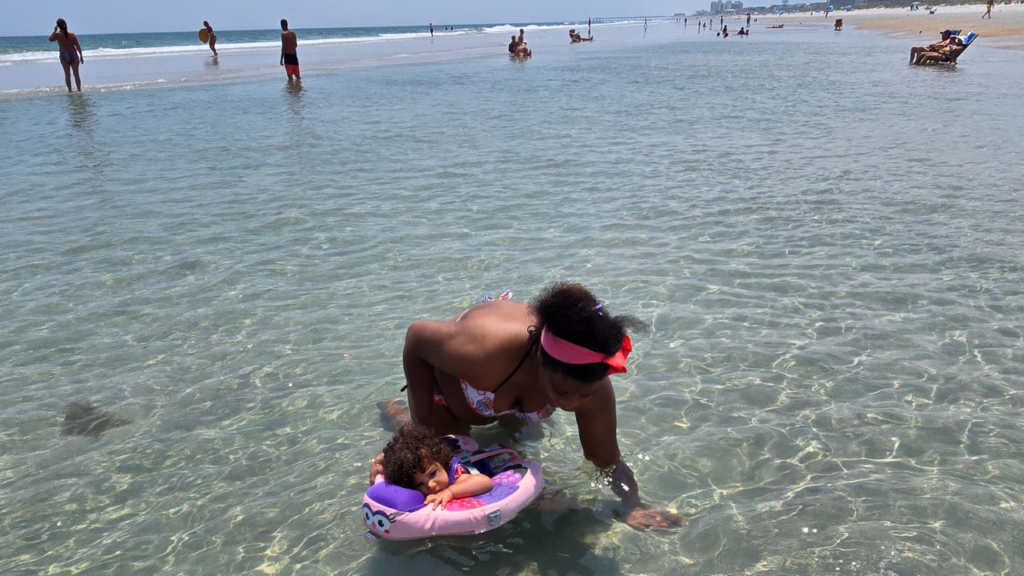
Tide pools are small ecosystems full of life. They are perfect for hands-on learning.
Kids observe crabs, small fish, sea anemones, and shells without needing to touch anything. We talk about how these animals survive changing tides and temperatures. This naturally introduces biology, habitats, and respect for wildlife.
The rule is simple: look, don’t touch. Observation builds curiosity without harming nature.
2. Sandcastle Building and Design
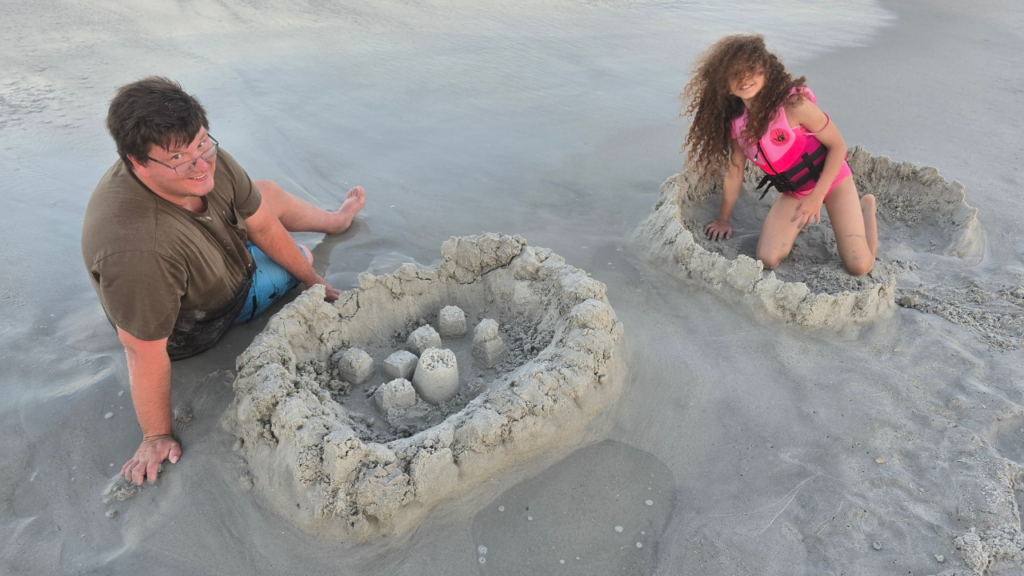
Sandcastle building is more than just play. It’s engineering in disguise.
Kids learn:
- How sand and water work together
- Why strong bases matter
- How structures collapse and can be rebuilt
We experiment with shapes and sizes. Kids problem-solve when walls fall and adjust their designs. This activity supports spatial awareness, physics, and creativity.
3. Beach Scavenger Hunts
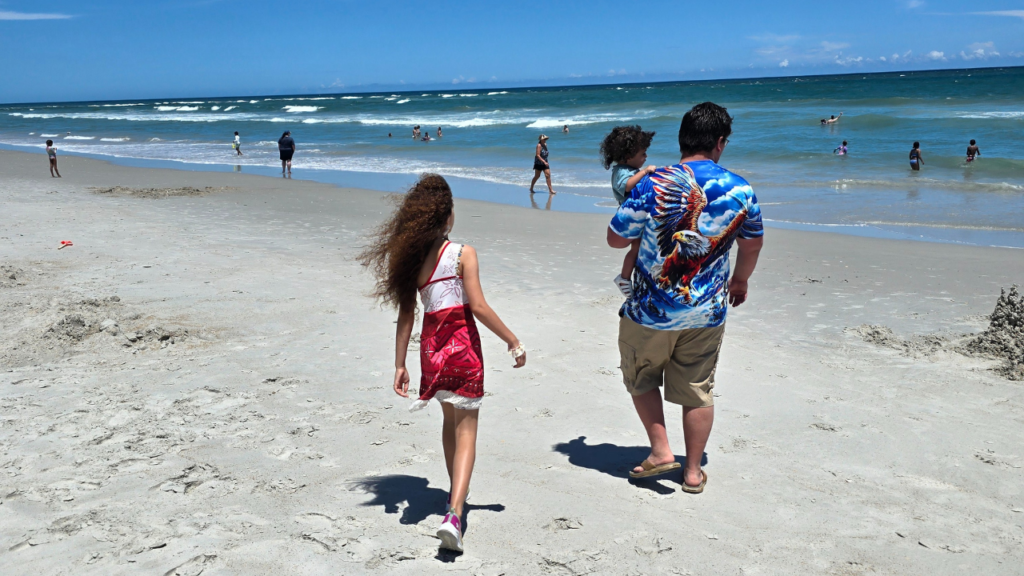
Scavenger hunts encourage kids to slow down and notice details.
Instead of collecting items, we look for things like:
- Something smooth
- Something shaped like a heart
- Something that moved
- Something the waves touched
This builds observation skills, vocabulary, and critical thinking without turning it into a lesson.
4. Measuring Footprints and Tracks

The sand records everything. Footprints become a math and science lesson.
We compare:
- Big footprints and small footprints
- Bird tracks and human tracks
- How waves erase prints over time
Kids learn about measurement, patterns, and cause-and-effect in a way that feels playful.
5. Watching Waves and Predicting Movement
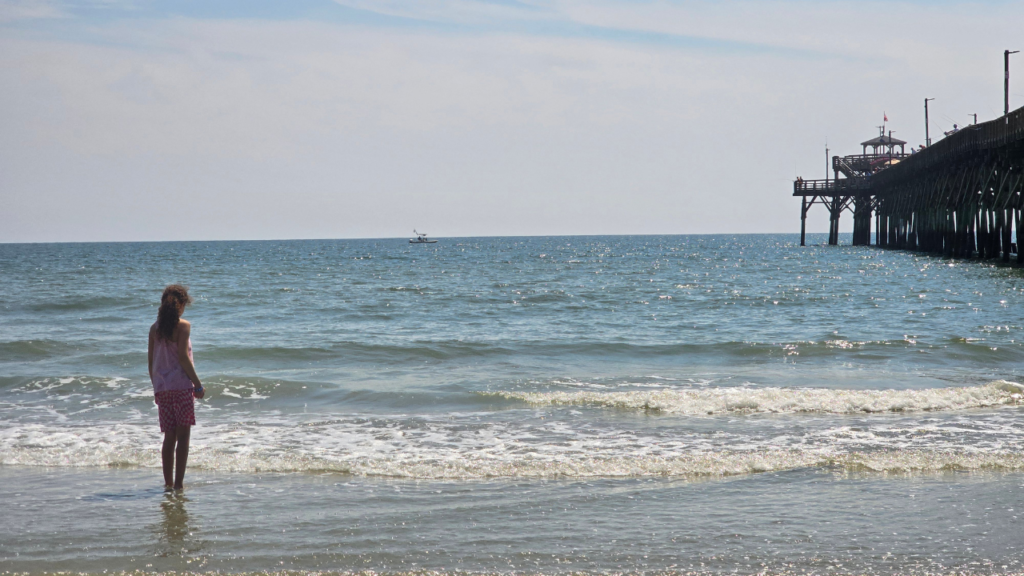
Waves are fascinating to kids. They naturally want to predict what comes next.
We watch sets of waves and guess which will reach the furthest. Kids learn about patterns, timing, and observation. Sometimes they’re right. Sometimes they’re surprised.
Both outcomes lead to learning.
6. Shell Sorting and Comparing
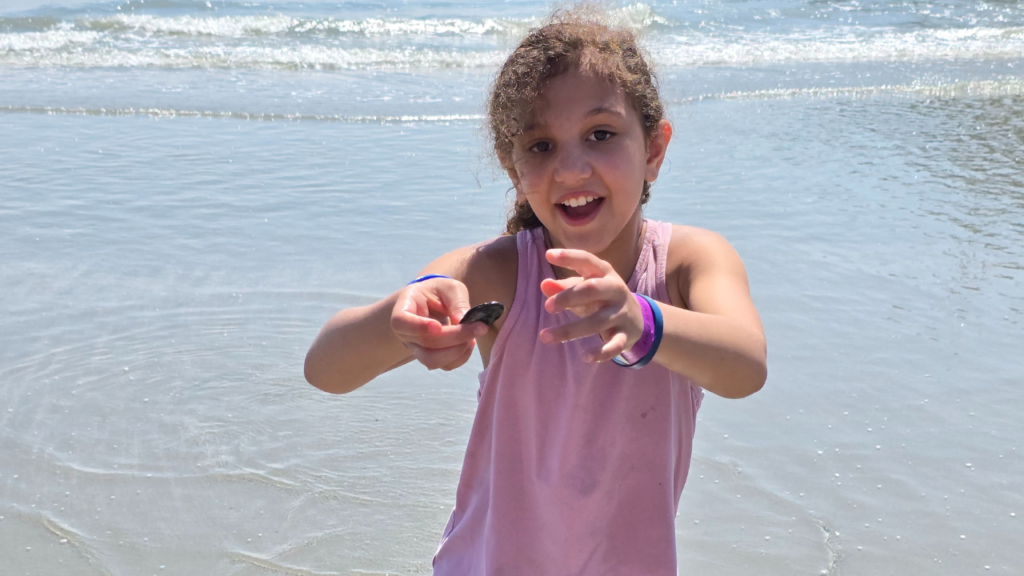
Shells invite comparison. They’re perfect for early math skills.
We sort shells by:
- Size
- Shape
- Color
- Texture
Even when we don’t take shells home, the act of sorting builds classification skills, language development, and attention to detail.
7. Listening to Ocean Sounds
Not all learning is loud. Listening is a skill.
We sit quietly and focus on:
- Waves
- Wind
- Birds
- Distant sounds
This helps kids practice mindfulness, focus, and sensory awareness. It’s especially helpful for kids who get overstimulated.
8. Cloud Watching and Story Creation

Looking up is just as important as looking down.
We watch clouds and talk about:
- Shapes we see
- How clouds move
- What stories they could tell
This activity supports imagination, language skills, and creative thinking while giving kids a break from constant movement.
9. Shoreline Walks and Nature Questions
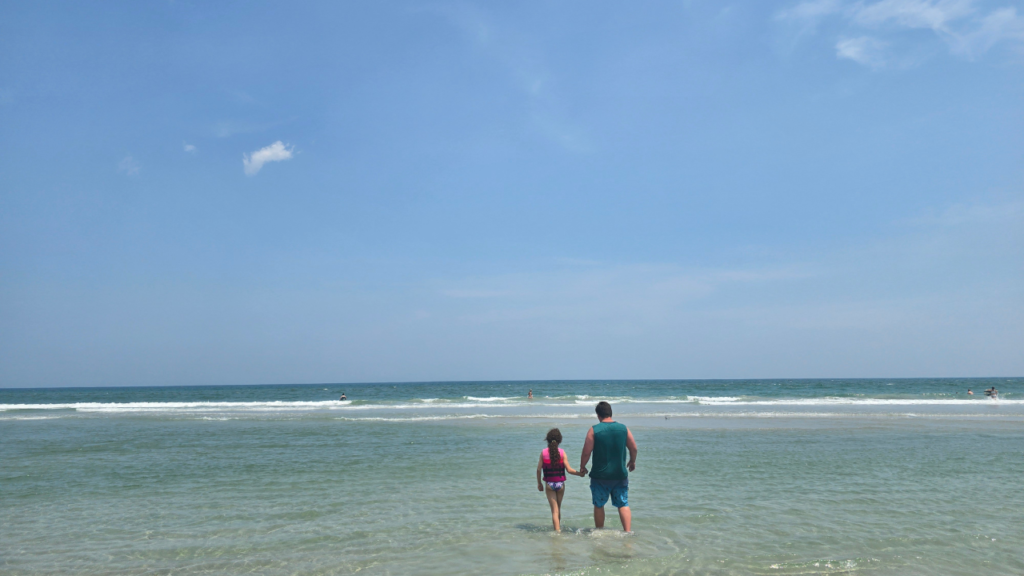
Walking the shoreline encourages curiosity. Kids naturally ask questions when they’re relaxed.
Why do waves leave lines? Why are shells gathered in one spot? Why do birds stay near the water?
You don’t need all the answers. Wondering together teaches kids that questions matter as much as answers.
10. Storytelling Inspired by the Beach
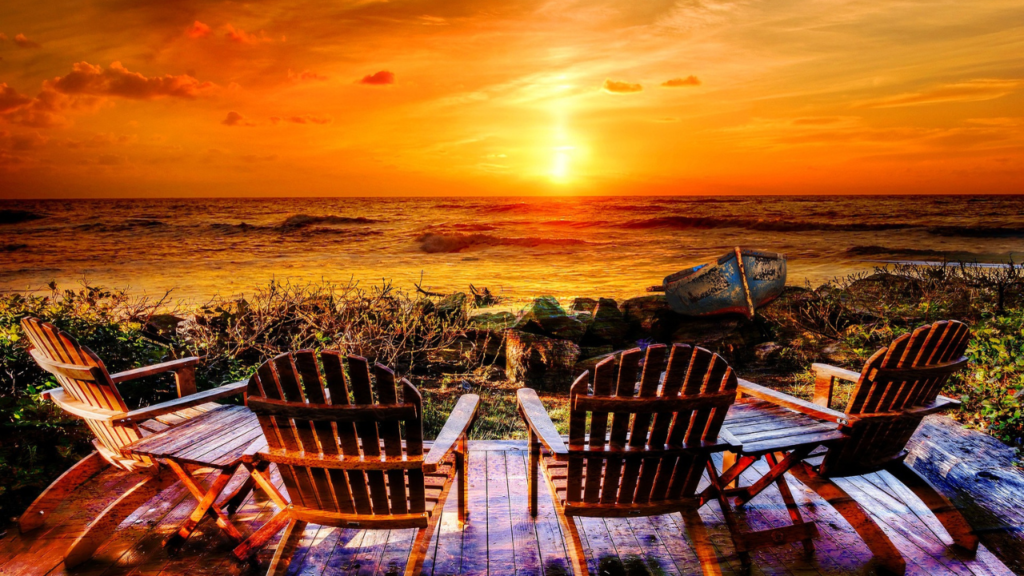
The beach sparks stories without effort.
We make up stories about:
- Ocean creatures
- Hidden islands
- Beach adventures
Each person adds a sentence. This builds language skills, confidence, and collaboration. Kids feel heard and creative at the same time.
Why the Beach Is Such a Powerful Learning Space
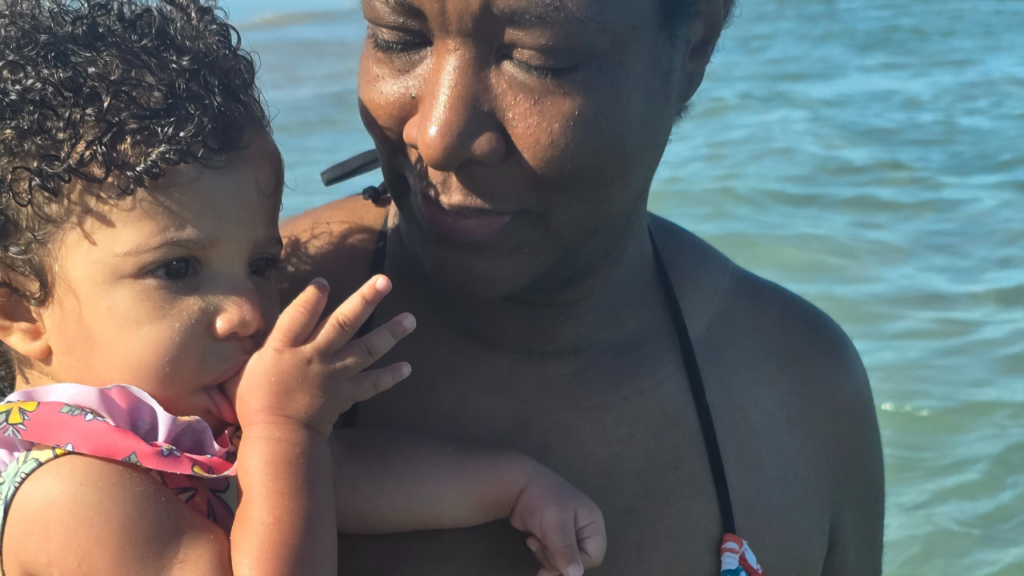
The beach teaches without pressure.
Kids learn because they’re curious, not because they’re told to learn. Movement, discovery, and play work together naturally.
As a parent, I’ve found that these moments often lead to deeper conversations later. Kids remember what they experienced, not what they were told.
How I Balance Fun and Learning at the Beach
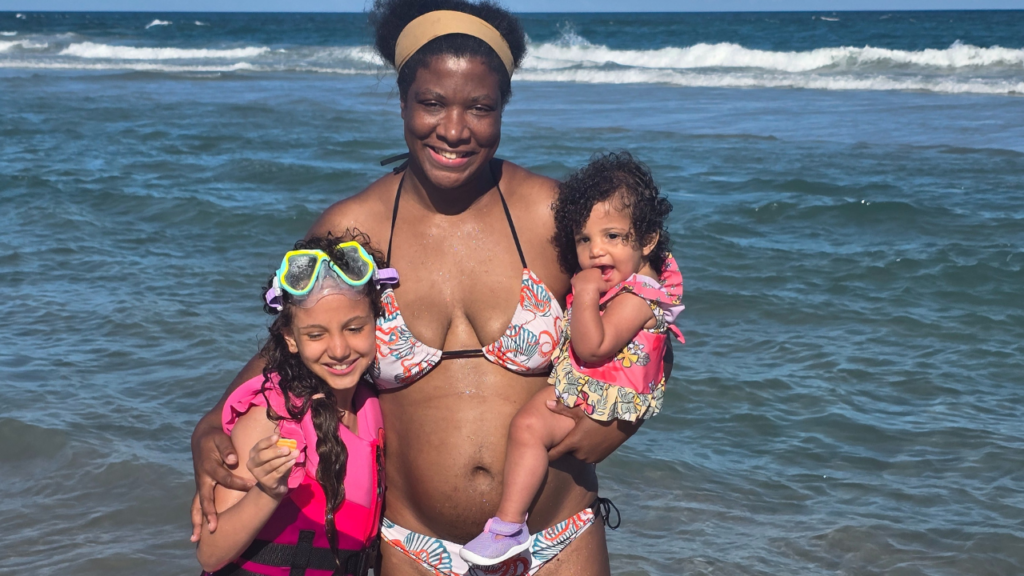
I don’t label these activities as “educational” when we’re there. I let them unfold naturally.
We:
- Follow curiosity
- Pause when something sparks interest
- Move on when attention shifts
This keeps learning joyful instead of forced.
Why These Activities Work for Different Ages
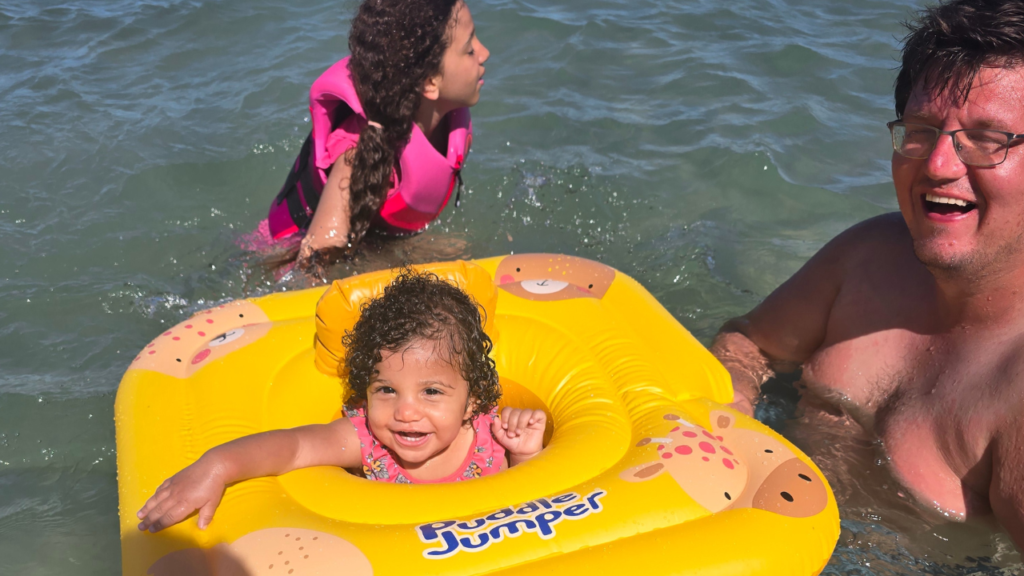
One of the best things about beach learning is flexibility.
- Toddlers explore textures
- Young kids ask questions
- Older kids make connections
- Parents guide gently
Everyone participates at their level, and no one feels behind.
FAQ: Fun And Educational Beach Activities For Kids
What makes a beach activity educational for kids?
Beach activities become educational when kids are encouraged to observe, ask questions, and explore. Activities like tide pooling, sandcastle building, and scavenger hunts naturally teach science, math, and language skills through play.
Do kids actually learn while playing at the beach?
Yes. Play is one of the most effective ways kids learn. At the beach, children practice problem-solving, creativity, and observation without feeling like they’re being taught.
What ages are these educational beach activities best for?
These activities work for a wide range of ages, from toddlers to older kids. Each child engages at their own level, making them ideal for families with kids of different ages.
Do parents need to prepare lessons or materials ahead of time?
No preparation is needed. The beach itself provides everything. Parents can simply follow their child’s curiosity and ask simple, open-ended questions when interest arises.
How can parents balance learning and fun at the beach?
The key is not labeling activities as lessons. Let play lead, and learning will happen naturally. When kids are having fun, they absorb more without pressure.
Are these activities good for kids who struggle with attention?
Yes. Many beach activities involve movement, sensory input, and short bursts of focus, which can be helpful for kids who find it hard to sit still.
How long should families spend on educational beach activities?
There’s no set time. Follow your child’s energy and interest levels. Some activities last a few minutes, others develop into longer play naturally.
Can educational beach activities work on crowded beaches?
Yes. Many activities, like observation, storytelling, and shell sorting, can be done in small spaces. Learning doesn’t require a quiet or empty beach.
How do these activities support child development?
They support cognitive skills, language development, creativity, and emotional regulation. Kids also learn patience, cooperation, and curiosity through shared exploration.
Why are beach-based learning experiences so memorable for kids?
Kids remember experiences that involve movement, discovery, and emotional connection. The beach engages all the senses, making learning moments more meaningful and lasting.
Learning Happens Best When Kids Feel Free
The beach reminds us that learning doesn’t need desks or schedules. It needs space, curiosity, and time.
These fun and educational beach activities help kids grow without realizing they’re learning. They support creativity, science, math, language, and emotional development all at once.
When families slow down and let the beach lead, education becomes part of the adventure.
Looking for more family-friendly beach activities and learning ideas?
Visit the Fun Shores Ahead hub to explore simple ways to combine fun, learning, and meaningful family time at the beach.