



Tide pools are one of those beach experiences that feel a little magical, especially for kids. They’re quiet pockets of life tucked between rocks, full of movement, color, and tiny surprises. Every time we explore tide pools as a family, it feels like we’ve stepped into a hidden world most people walk right past.
Over the years, I’ve learned that tide pooling is one of the best slow, educational beach activities for families. It doesn’t require fancy gear. It doesn’t rely on perfect weather. And it naturally encourages kids to observe, ask questions, and move carefully.
But tide pools also require respect. They’re living ecosystems, not just shallow puddles. When families approach them with curiosity and care, tide pools become one of the most meaningful beach experiences you can share together.
This guide will walk you through what to look for, how to explore safely, and how to help kids enjoy tide pools without harming the creatures that live there.
What Are Tide Pools and Why Are They Special?
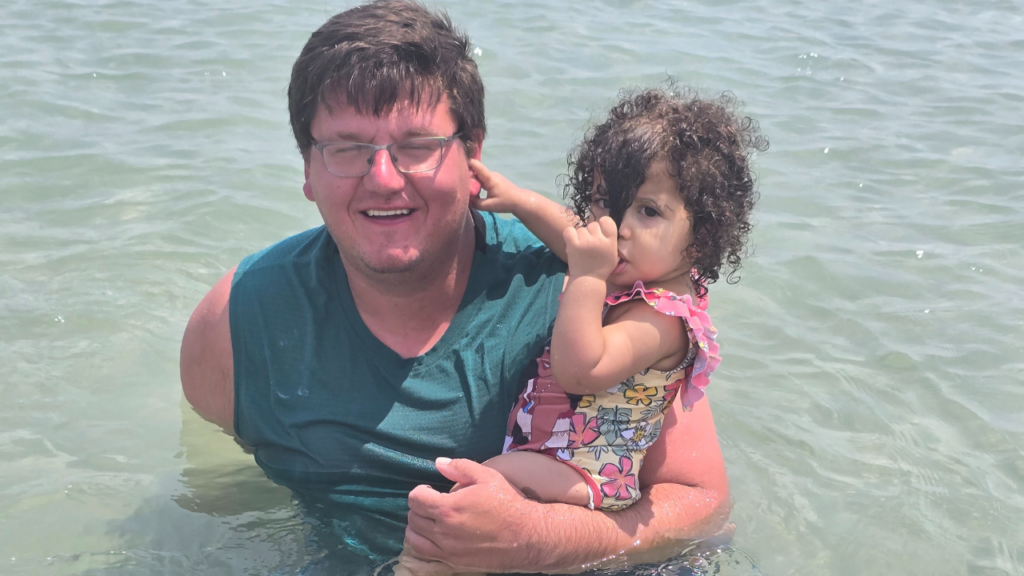
Tide pools form when the ocean tide recedes, leaving small pockets of seawater trapped between rocks, reefs, or coral. These pools become temporary homes for marine life that can survive changing water levels, temperatures, and wave action.
What makes tide pools special is that they bring ocean life close enough for kids to see without needing to swim or snorkel. They turn the beach into a living science lesson, right at your feet.
For families, tide pools offer:
- Hands-on learning
- Quiet, focused exploration
- A break from high-energy beach play
- A chance to slow down together
The Best Time To Explore Tide Pools
Timing matters when it comes to tide pools.
Low tide is the best time to explore, especially during the lowest tide of the day. This is when pools are most exposed and easiest to access. I always recommend checking a local tide chart before heading out, especially if tide pooling is part of your plan.
Early mornings often work well. The beach is quieter, the sun is less intense, and kids tend to be more patient and curious earlier in the day.
Where To Find Tide Pools
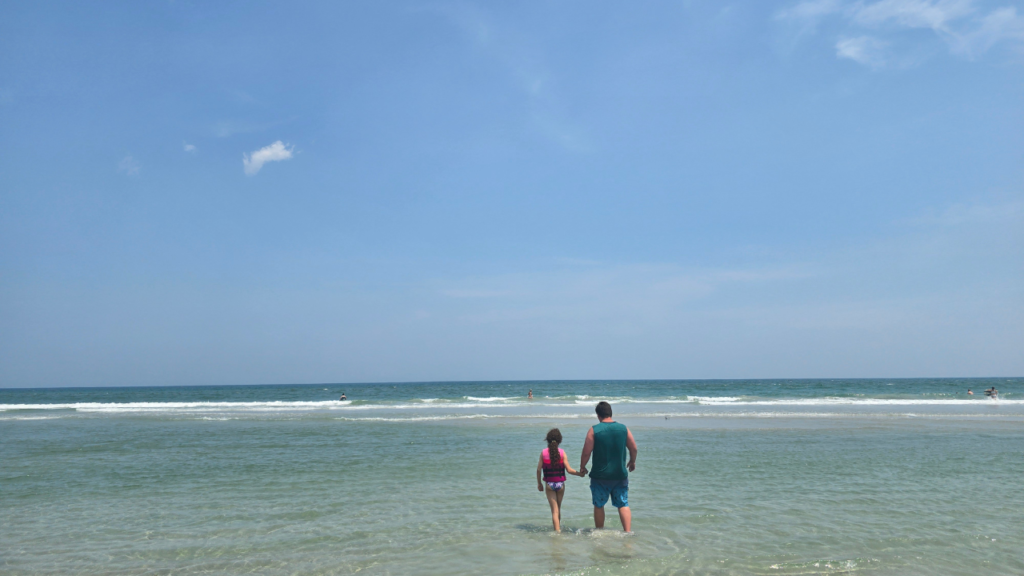
Not all beaches have tide pools. Rocky or uneven shorelines are key.
You’re more likely to find tide pools near:
- Rocky beaches
- Jetties
- Coastal cliffs
- Natural reef areas
In places like parts of North Carolina’s coast and Bermuda, tide pools often appear near rock formations that kids might already be drawn to. I always scan the shoreline first and choose areas that look calm, stable, and easy to navigate.
What You Might See in Tide Pools
This is where the excitement starts.
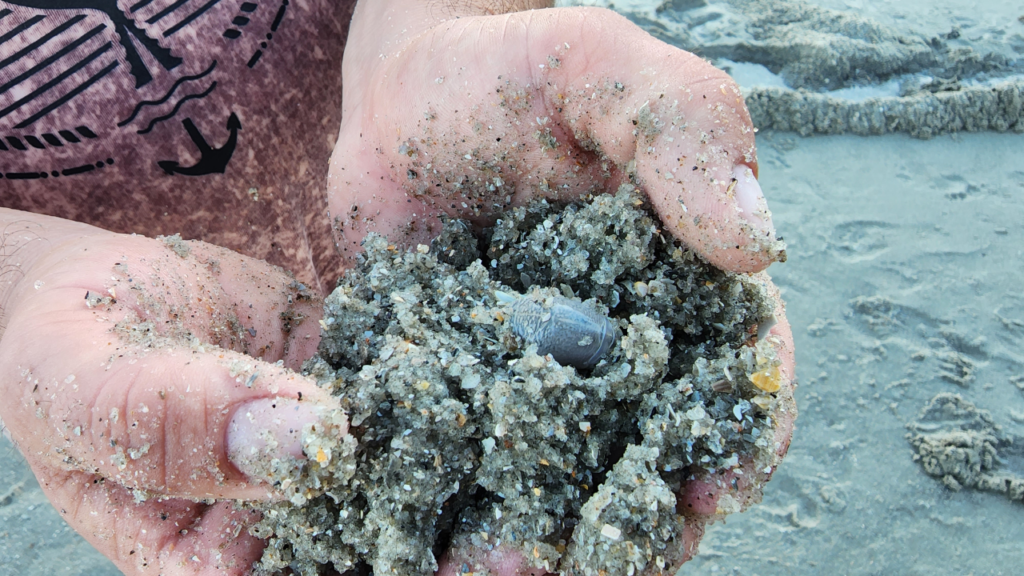
Tide pools are full of surprises. Depending on the location, you might see:
- Small crabs scurrying between rocks
- Tiny fish darting through shallow water
- Sea anemones gently opening and closing
- Barnacles and snails attached to rocks
- Sea urchins or starfish (in some regions)
I always encourage kids to look first, then talk about what they see. Slowing down helps them notice details they’d miss if they rushed.
Teach Kids To Look, Not Grab
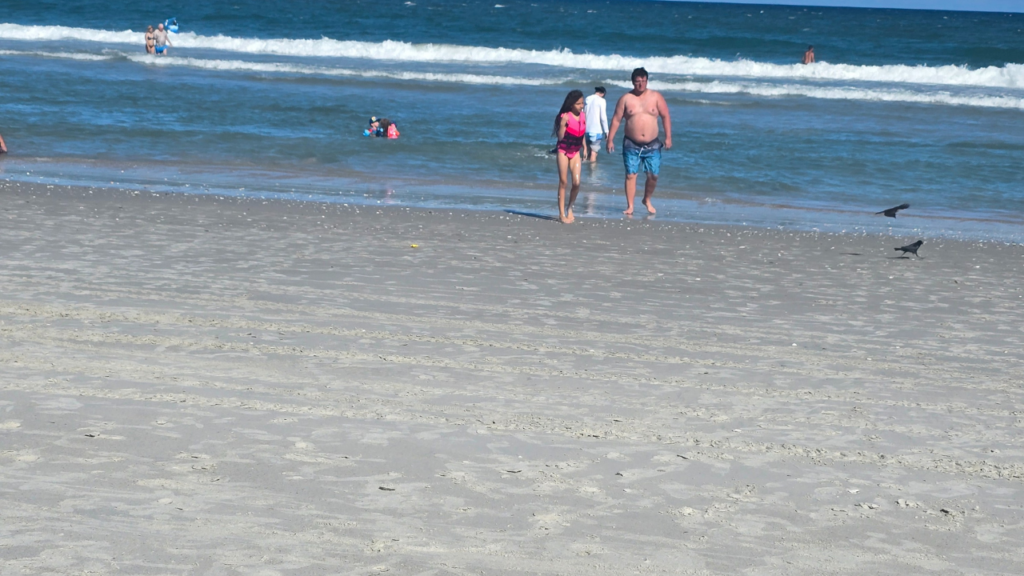
One of the most important tide pooling rules is simple.
Look, don’t grab.
Tide pool animals are delicate. Oils from our hands can harm them, and removing them from water even briefly can cause stress or injury. I explain to kids that tide pools are like someone’s home. We’re visitors, not owners.
If kids want a closer look, I suggest:
- Getting down at eye level
- Watching how animals move
- Using words to describe what they notice
This builds respect and curiosity without harming anything.
How To Move Safely Around Tide Pools
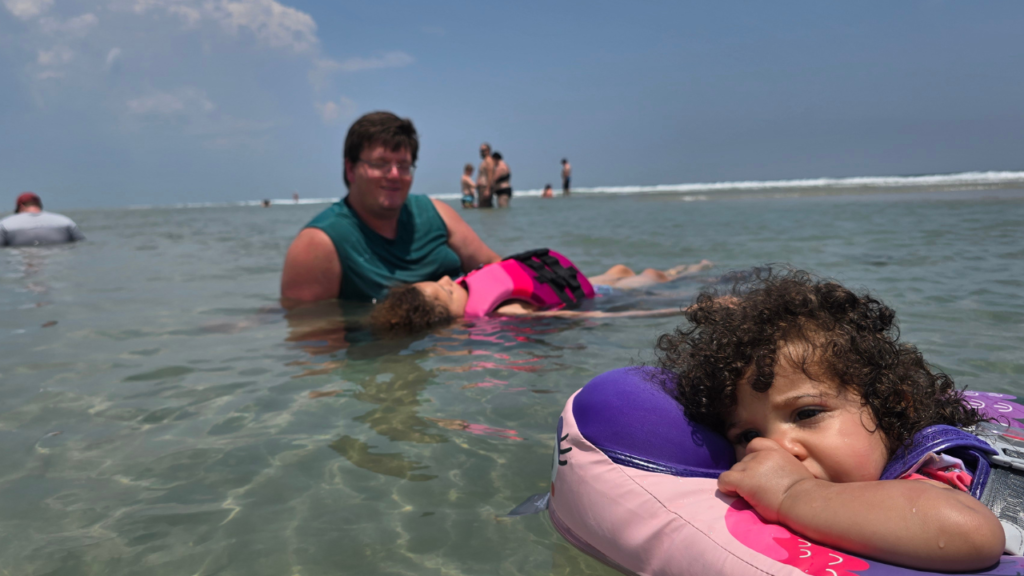
Safety always comes first, especially with kids.
Tide pool areas can be slippery. Rocks are often covered in algae or wet seaweed. I remind kids to walk slowly, keep shoes on, and use hands for balance when needed.
Helpful safety tips include:
- Water shoes or sturdy sandals
- Avoid climbing high rocks
- Keep a safe distance from waves
- Stay aware of the tide coming back in
I always position myself so I can see both the kids and the water. Even calm areas can change quickly.
Why Shoes Matter for Tide Pooling
Bare feet and tide pools don’t mix well. This is something I had to learn the hard way when I was a child when a sharp, pointed rock pierced my foot.
Shoes protect against sharp rocks, shells, and hidden creatures. They also give kids better traction on slippery surfaces. Water shoes are ideal, but closed-toe sandals can work too.
I’ve found that when kids feel stable and secure, they’re more confident exploring and less likely to rush or panic.
Make It a Learning Experience Without Pressure
You don’t need to turn tide pooling into a formal lesson.
Simple questions work best:
- “What do you notice?”
- “Why do you think it’s hiding?”
- “How do you think it survives when the tide goes out?”
These open-ended questions encourage curiosity without overwhelming kids. Sometimes we look things up later. Sometimes we just wonder together.
Both are valuable.
Respect the Environment Together
Tide pools teach kids early lessons about conservation.
We talk about:
- Leaving animals where we found them
- Not collecting shells from pools
- Avoiding stepping on living creatures
- Taking photos instead of souvenirs
I explain that if everyone took something, the tide pools wouldn’t survive. Kids understand this more easily than we think, especially when they feel included in protecting something special.
Watch the Tide and Know When to Leave
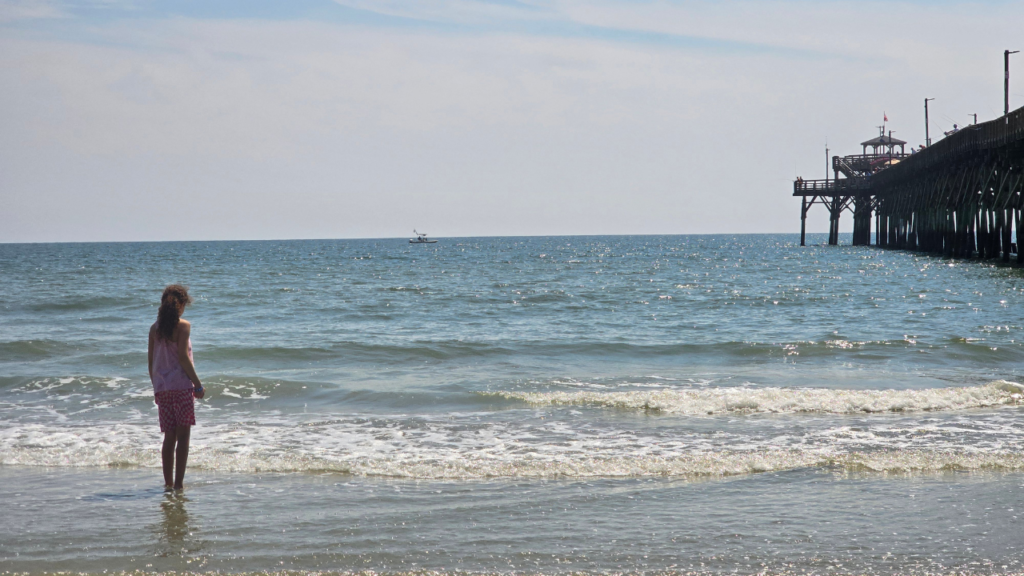
One thing I always keep an eye on is the tide returning.
Tide pools disappear as the water comes back in. Paths that were dry can become wet quickly. I set gentle time reminders and start guiding kids back before waves reach our feet.
Leaving calmly prevents rushed exits and keeps the experience positive.
Tide Pooling Is Perfect for Mixed-Age Kids
One reason I love tide pooling as a family activity is that it works for different ages at the same time.
- Babies can watch movement and colors
- Toddlers can squat and observe
- Older kids can identify animals and patterns
- Parents can slow down and enjoy the moment
Everyone participates at their own level, without competition or pressure.
FAQ: Exploring Tide Pools With Kids
What is the best time to explore tide pools?
Low tide is the best time to explore tide pools. This is when the most pools are exposed and easiest to reach. Checking a local tide chart before heading out helps you plan the best window.
Are tide pools safe for children?
Yes, when explored carefully. Adult supervision, slow movement, and proper footwear are key. Tide pools can be slippery, so staying alert and choosing calm areas makes the experience safer and more enjoyable.
What animals can kids expect to see in tide pools?
Kids may see small crabs, fish, snails, sea anemones, barnacles, and sometimes starfish, depending on the location. Every tide pool is different, which makes exploration exciting.
Can children touch tide pool animals?
It’s best to look without touching. Tide pool animals are sensitive, and touching them can cause harm. Teaching kids to observe instead of handle helps protect the ecosystem.
What shoes should kids wear for tide pooling?
Water shoes or sturdy sandals are ideal. They protect feet from sharp rocks, shells, and slippery surfaces. Bare feet are not recommended around tide pools.
How do we keep tide pool animals safe while exploring?
Move carefully, avoid stepping on creatures, and leave everything exactly where you found it. Taking photos instead of collecting items helps preserve tide pools for others.
How long should families spend tide pooling?
There’s no set time. Follow your child’s interest and energy levels. Some kids stay engaged for 10 minutes, others for much longer. Ending while kids are still interested keeps the experience positive.
What should families bring for a tide pooling outing?
Comfortable shoes, sunscreen, water, and a small towel are helpful. A phone or camera is great for taking photos. Keep gear light so kids can move easily.
Do tide pools change throughout the day?
Yes. Tide pools change as the tide moves in and out. Water levels, animals, and access points shift, which is why staying aware of the tide is important.
Why is tide pooling a good learning activity for kids?
Tide pooling teaches patience, observation, respect for nature, and curiosity. It encourages kids to slow down and notice details, making it both educational and meaningful.
Tide Pools Teach Curiosity, Respect, and Wonder
Exploring tide pools is about more than spotting sea life. It’s about learning patience, showing respect, and seeing the ocean as a living system, not just a playground.
When families approach tide pools with care, curiosity, and safety in mind, the experience becomes something special. Something kids remember. Something they talk about.
So next time you’re at the beach, slow down near the rocks. Look closely. Ask questions. And enjoy the quiet magic waiting in the tide pools.
Looking for more family-friendly beach activities and nature guides?
Visit the Fun Shores Ahead hub to explore simple, meaningful ways to enjoy the beach together.