


A day at the beach is supposed to feel carefree. Sun, salt air, warm sand, and kids running ahead toward the water. But as a parent, especially one who spends a lot of time at the beach, I’ve learned that good skincare planning is what makes beach days comfortable instead of exhausting.
Over the years, I’ve realized that beach skincare isn’t just about sunscreen. It’s about protecting skin before, during, and after sun exposure, especially when you’re caring for kids. I don’t believe in cutting corners here. I bring what we actually use, I apply it properly, and I don’t rely on wishful thinking when it comes to sun protection.
This guide covers eco-friendly sunscreen and the skincare essentials that help keep skin happy, protected, and comfortable all day long.
Why Eco-Friendly Sunscreen Matters

Eco-friendly sunscreen protects your family and the ocean at the same time. Traditional sunscreens often contain chemicals that can irritate sensitive skin and harm marine life. When you’re spending time in the ocean, what you put on your skin doesn’t stay on your skin. It washes off into the water.
I’ve found that mineral-based sunscreens work best for our family. They sit on top of the skin instead of absorbing into it, which makes them gentler for kids and adults alike. They also provide immediate protection, which means no waiting around before getting in the water.
Choosing eco-friendly sunscreen feels like a small decision, but it’s one that makes a meaningful difference over time.
What To Look For In A Good Beach Sunscreen
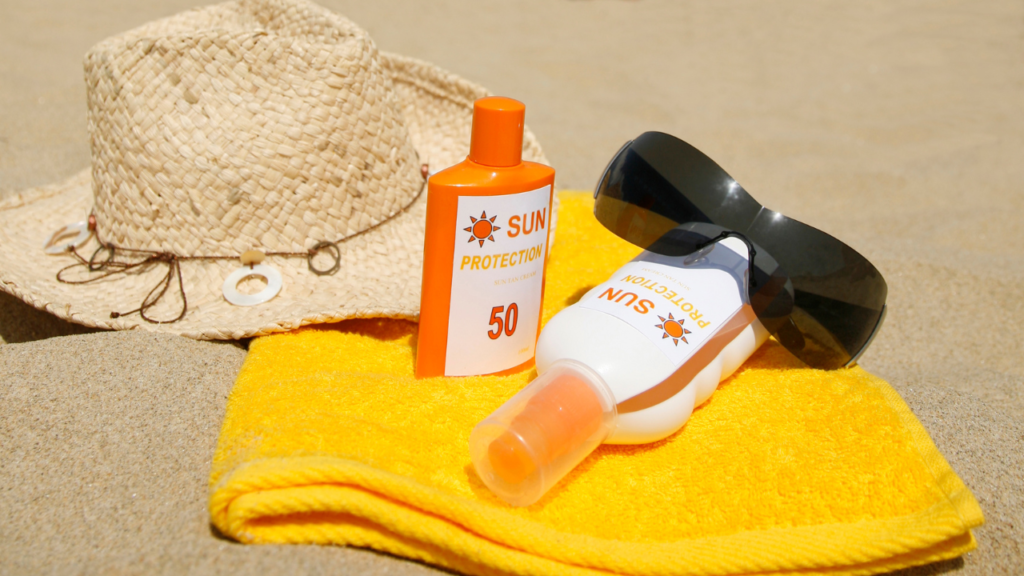
When I choose sunscreen, I’m not looking for fancy packaging or trendy labels. I look for protection that actually works. A good beach sunscreen should clearly state that it is broad-spectrum, meaning it protects against both UVA and UVB rays.
I also make sure it’s water-resistant and reef safe. Beach days involve sweating, swimming, and towel drying. Sunscreen needs to hold up through all of that but without being harmful to the environment. I prefer higher SPF, especially for kids, because beach exposure is often longer than we realize.
And most importantly, I use sunscreen we’ve already tested at home. Beach days are not the time to discover irritation or sensitivity.
Apply Sunscreen Before You Leave
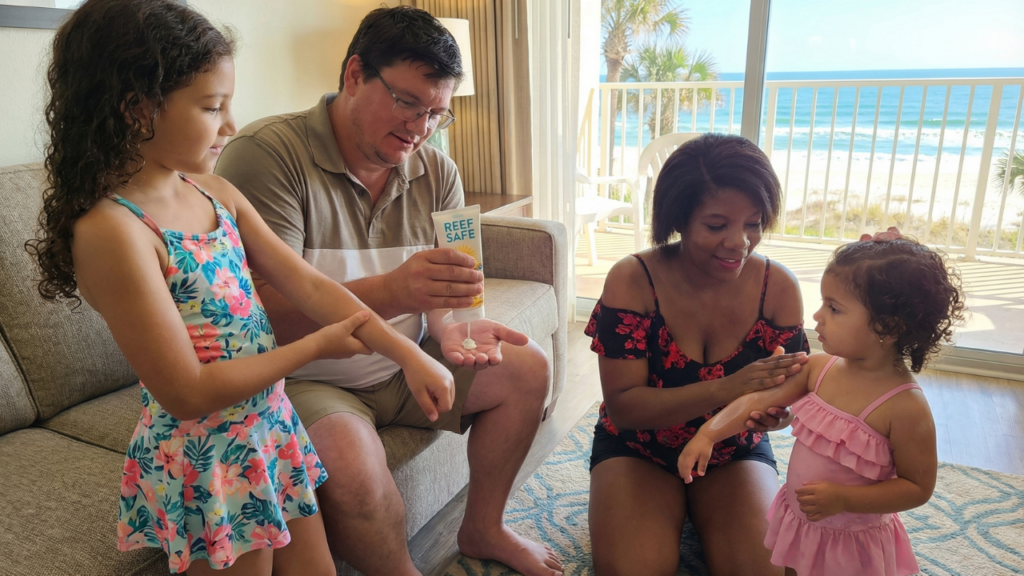
One of the biggest lessons I’ve learned is that applying sunscreen at the beach is already too late. Kids are excited, parents are juggling bags, and coverage gets rushed. Applying sunscreen before leaving the house or hotel ensures better coverage and fewer missed spots.
I make sunscreen part of our getting-ready routine. Everyone gets covered calmly, thoroughly, and without distraction. When we arrive at the beach, we’re already protected and can focus on enjoying the moment.
This one habit alone has saved us from countless sunburns.
Reapplication Is Just As Important

Sunscreen is not a one-and-done product. Reapplying regularly is essential, especially after swimming or towel drying. I don’t rely on memory. I set mental check-ins throughout the day.
I also don’t stretch sunscreen to make it last longer. I’d rather bring extra than risk under-applying. Proper reapplication keeps skin protected and prevents the slow burn that doesn’t show up until later.
When kids see sunscreen as a normal part of the day, they’re more cooperative and less resistant over time.
Protective Clothing Is Skincare Too

Sunscreen works best when paired with protective clothing. Rash guards, wide-brim hats, and lightweight cover-ups reduce how much sunscreen you need to apply and reapply.
I’ve found that rash guards are one of the best beach investments for kids. They stay on, they don’t rub off, and they protect large areas of skin effortlessly. For parents, loose, breathable clothing protects shoulders, backs, and chests without feeling heavy.
Less exposed skin means less stress throughout the day.
Don’t Forget Lips, Ears, And Feet

Some of the worst sunburns happen in places people forget. Lips, ears, tops of feet, and behind the knees are easy to miss and incredibly sensitive.
I keep a lip balm with SPF in our beach bag and apply it often. I also make a habit of quickly checking ears and feet when reapplying sunscreen. These small areas can make a big difference in comfort later.
Painful sunburns often come from skipped details.
Hydration Supports Skin Health
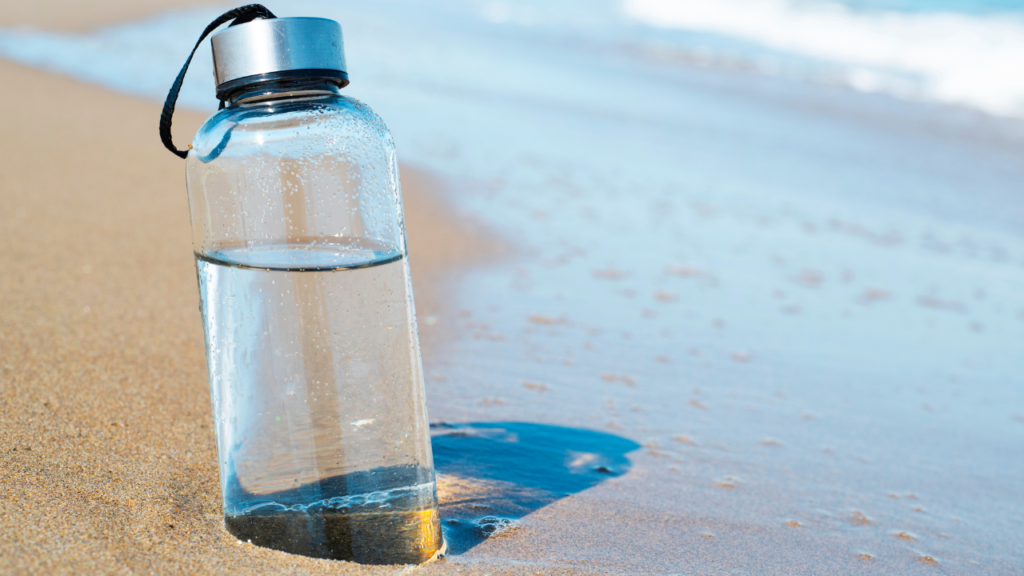
Healthy skin starts from the inside. Sun, salt, and heat dry skin out quickly, especially in kids. Drinking water regularly helps skin recover and stay resilient throughout the day.
I don’t wait for kids to say they’re thirsty. Hydration breaks are built into our beach routine. Water, shade, and rest help prevent overheating and keep skin from becoming irritated.
Skincare is not only what you put on your skin. It’s also how you care for your body.
Gentle Cleansing After The Beach

After a full day at the beach, salt, sand, sunscreen, and sweat need to be washed away gently. I don’t use harsh soaps after sun exposure. Skin is already working hard to recover.
A gentle cleanser helps remove residue without stripping moisture. For kids, this step helps prevent irritation, rashes, and dryness. For adults, it supports faster skin recovery overnight.
Beach days don’t end when you leave the sand. Aftercare matters.
Moisturizing Is Non-Negotiable
After sun exposure, moisturizing is essential, even if no sunburn is visible. Skin loses moisture quickly at the beach, and replenishing it helps prevent peeling, tightness, and irritation.
I apply moisturizer generously after showers and again before bed. For kids, this becomes a calming part of winding down after a long day. For adults, it helps skin feel comfortable instead of stressed.
Healthy skin recovers best when it’s nourished.
Be Prepared, Not Perfect

Beach skincare doesn’t need to be complicated. It needs to be consistent. I don’t aim for perfection. I aim for protection, comfort, and practicality.
Over the years, these habits have helped us enjoy longer beach days with fewer issues. They’ve prevented painful burns, cranky evenings, and unnecessary discomfort. They’ve also made beach trips feel calmer and more enjoyable.
Experience teaches you what truly matters, and skincare is one of those things.
FAQ: Beach Skincare For Families
Is eco-friendly sunscreen really better for kids?
Yes. Eco-friendly, mineral-based sunscreens are often gentler on young skin because they sit on top of the skin instead of absorbing into it. I’ve found they cause fewer reactions and provide reliable protection right away, which is especially helpful when kids want to get into the water quickly.
What SPF should families use at the beach?
For beach days, higher SPF is better, especially for kids. Long hours in the sun, reflection from water and sand, and frequent swimming all increase exposure. I always choose broad-spectrum sunscreen and apply it generously rather than trying to stretch the bottle.
How often should sunscreen be reapplied at the beach?
Every two hours at minimum, and immediately after swimming or towel drying. Even water-resistant sunscreens wear off faster than you think at the beach. Reapplication is just as important as the first layer.
Should sunscreen be applied at the beach or before leaving?
Before leaving whenever possible. Applying sunscreen at home or at your rental means better coverage and fewer missed spots. It also keeps kids from running off half-covered while you’re juggling bags and towels.
Are rash guards really necessary if we use sunscreen?
Yes, they help a lot. Rash guards reduce how much skin is exposed, which means less sunscreen to reapply and less risk of missed areas. They are especially helpful for kids who spend most of the day in the water.
What areas do parents usually forget to protect?
Lips, ears, tops of feet, behind knees, and the back of the neck are commonly missed. These spots burn easily and can make kids uncomfortable later in the day. I always do a quick check during reapplication to catch them.
How does hydration affect skin at the beach?
Hydration plays a big role in skin health. Drinking water helps skin stay resilient, especially in heat and sun. I offer water often, even when kids say they aren’t thirsty yet.
What should skincare look like after leaving the beach?
After the beach, gentle cleansing and moisturizing are essential. Salt, sand, sunscreen, and sweat should be washed off without harsh products. Moisturizing afterward helps skin recover and prevents dryness or peeling.
Is beach skincare different for babies and toddlers?
Yes. Babies and toddlers need extra protection, including shade, protective clothing, and mineral sunscreen approved for their age. I’m especially careful with reapplication and sun exposure time for younger kids.
How can parents make beach skincare easier and less stressful?
Consistency helps. When sunscreen, hydration, and shade breaks are part of the routine, kids accept them more easily. Being prepared removes stress and lets everyone enjoy the day instead of constantly worrying about sun exposure.
Conclusion: Protect Skin So You Can Enjoy The Day
Eco-friendly sunscreen is just the beginning. Thoughtful skincare allows your family to enjoy the beach without paying for it later. When skin is protected, hydrated, and cared for, everyone feels better.
You don’t need a complicated routine. You need products you trust, habits you stick to, and awareness throughout the day. When you pack with intention and apply with care, the beach becomes a place of joy instead of worry.
Planning your next family beach day?
Explore more beach-tested tips and family-focused guides designed to help you enjoy every moment by the shore.