


The beach has always been a place of joy for my family. Growing up in Bermuda and now raising my own kids with beach days woven into our lives, I’ve learned something important. You don’t need to take from the beach to enjoy it.
Some of the most meaningful beach memories come from slowing down, observing, and simply being present. Eco-friendly beach activities are not about rules or restrictions. They’re about teaching kids to enjoy nature while respecting it, so these beautiful places remain for future families.
Here are 10 eco-friendly beach activities your family can enjoy without harming nature, all tried, tested, and loved.
1. Tide Pool Exploring (Look, Don’t Touch)
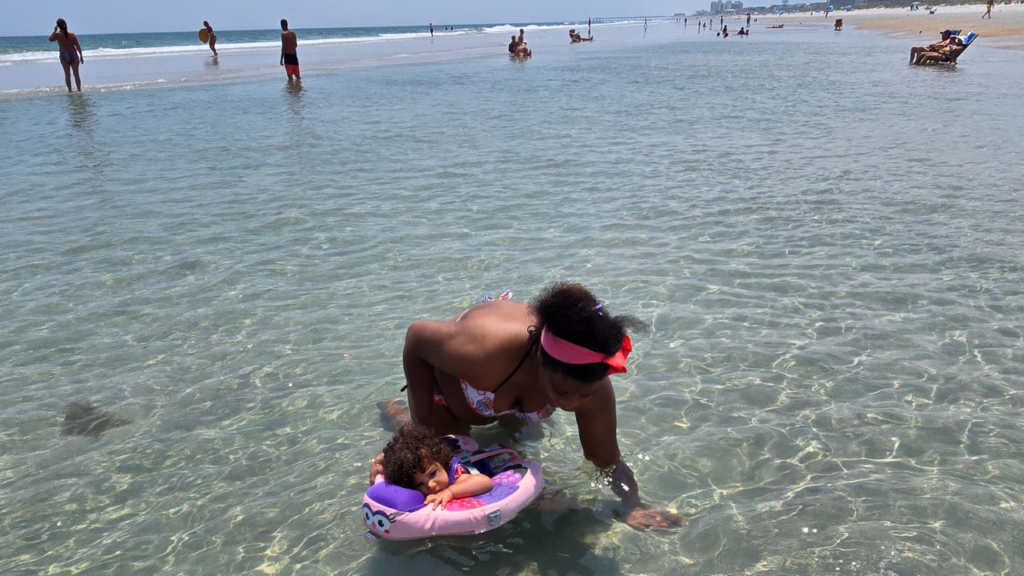
Tide pools are tiny worlds full of life. They are perfect for quiet exploration.
We love crouching down together and watching crabs move, fish dart, and sea anemones open and close. The key rule is simple. Look, don’t touch. Observing without disturbing teaches kids respect and curiosity at the same time.
This activity turns the beach into a natural classroom without removing anything from its home.
2. Building Sandcastles With Natural Materials
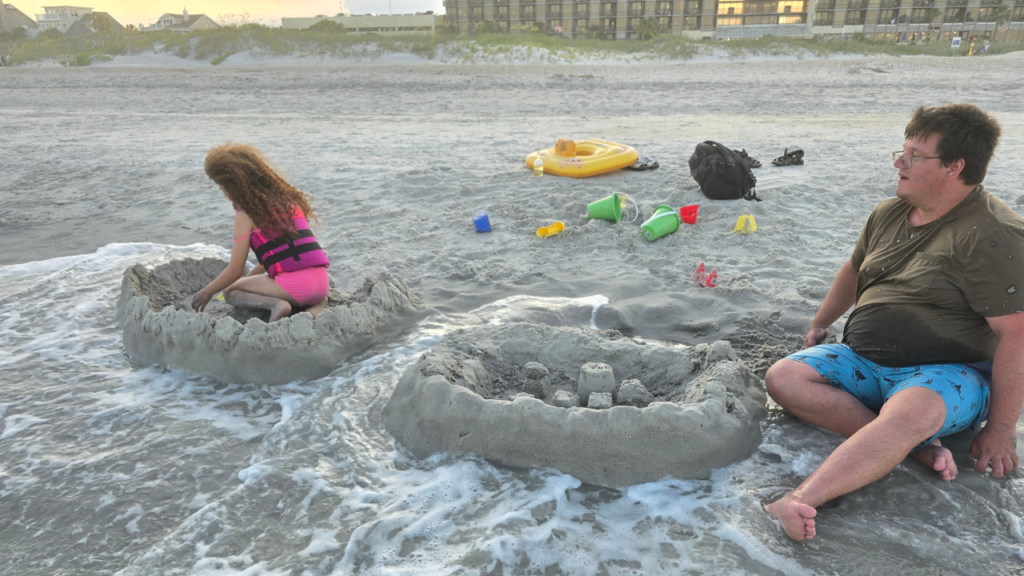
Sandcastle building is a classic for a reason. It’s creative, collaborative, and temporary.
We use sand, water, shells already loose on the beach, and sticks. When we leave, the tide takes it all back. No waste. No damage. Just imagination and teamwork.
It’s a great way to show kids that fun doesn’t have to leave a trace.
3. Beach Nature Scavenger Hunts (No Collecting)
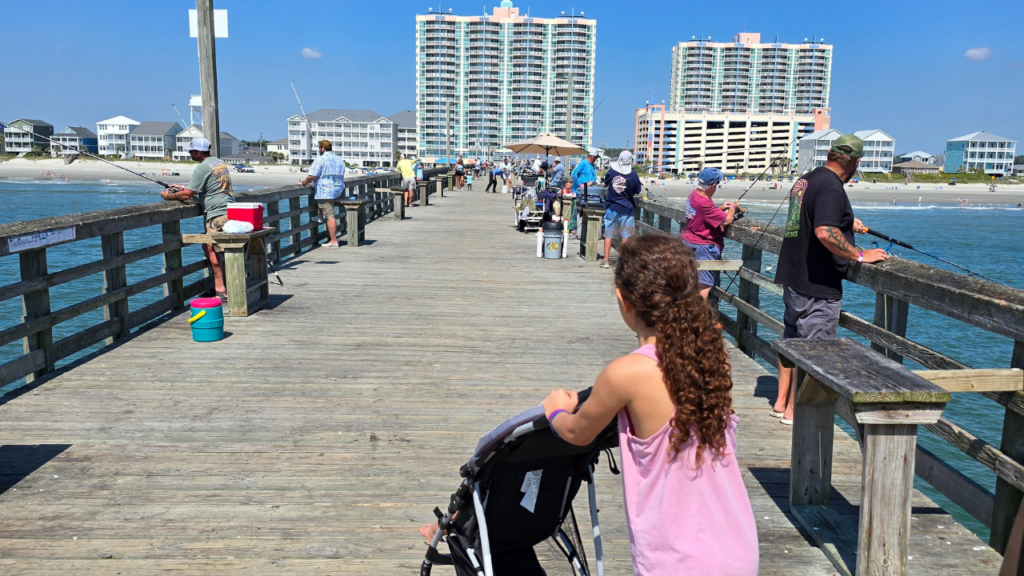
Scavenger hunts work best when they focus on finding, not taking.
We make lists like:
- Find something smooth
- Find something shaped like a heart
- Find three different colors of shells
They don’t just have to stay on the beach either. If theirs a pier, explore it as well. It gets the whole family active and engaged.
Kids love the challenge, and everything stays right where it belongs. Photos replace souvenirs, and the beach stays untouched.
4. Walking the Shoreline and Observing Patterns
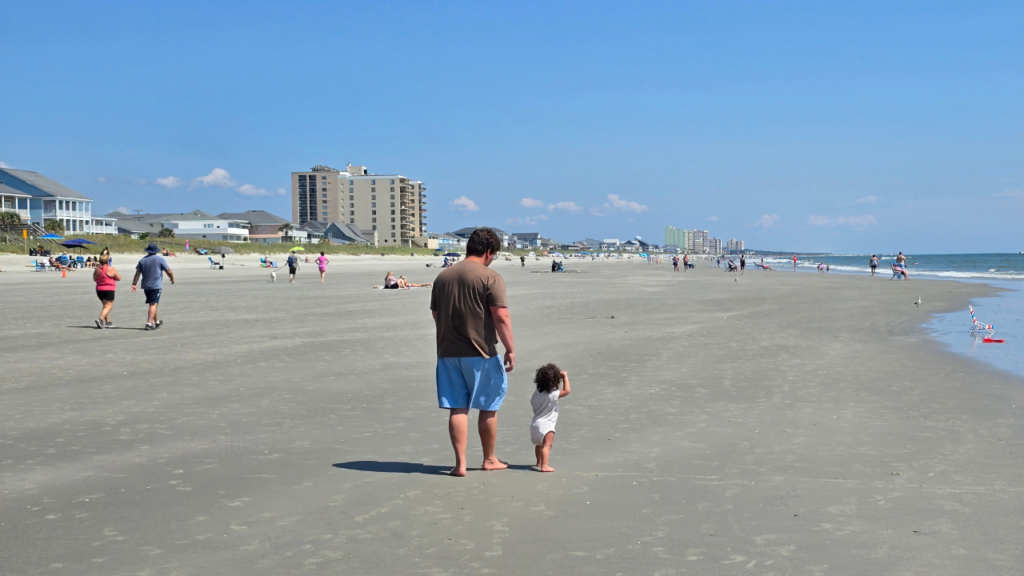
A simple shoreline walk can become a powerful activity. Kids naturally notice patterns when given the time.
We look at:
- Footprints in the sand
- Wave lines
- Shell clusters
- Driftwood shapes
These walks spark questions and conversations. They require no gear, no setup, and no impact on the environment.
5. Bird Watching Near the Dunes

Birds are often overlooked at the beach, but kids find them fascinating once they slow down.
We sit quietly near the dunes and watch birds move, feed, and fly. Keeping distance is important so birds feel safe.
This teaches kids patience and awareness while showing them the beach is home to more than just people.
6. Shell Spotting Without Taking Them Home
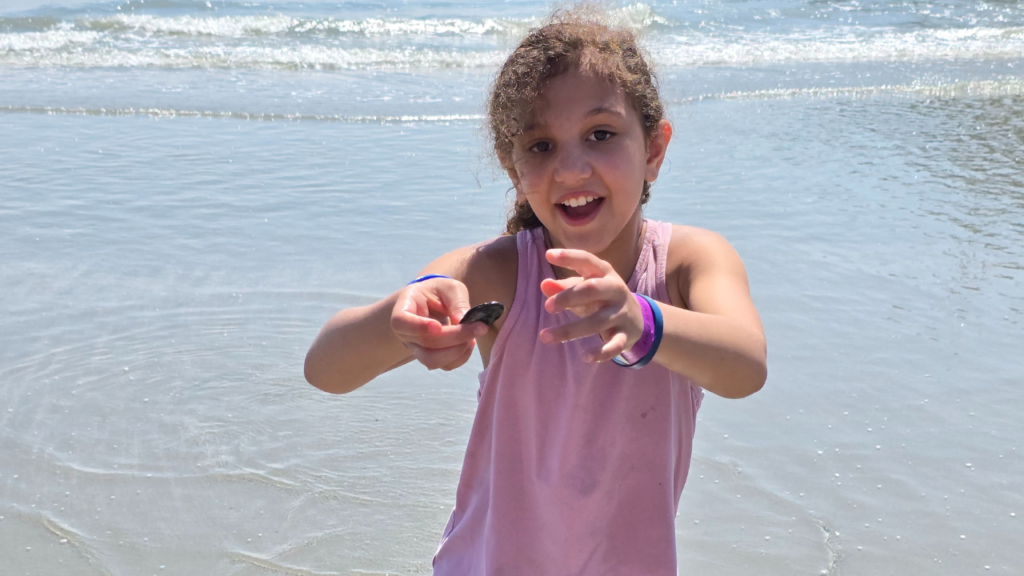
Shells are beautiful, but they play an important role in the ecosystem.
We admire shells, compare shapes and textures, and then leave them behind. Sometimes we line them up for photos or sort them briefly before returning them.
Kids learn that appreciation doesn’t require ownership.
7. Ocean Sound Listening Time
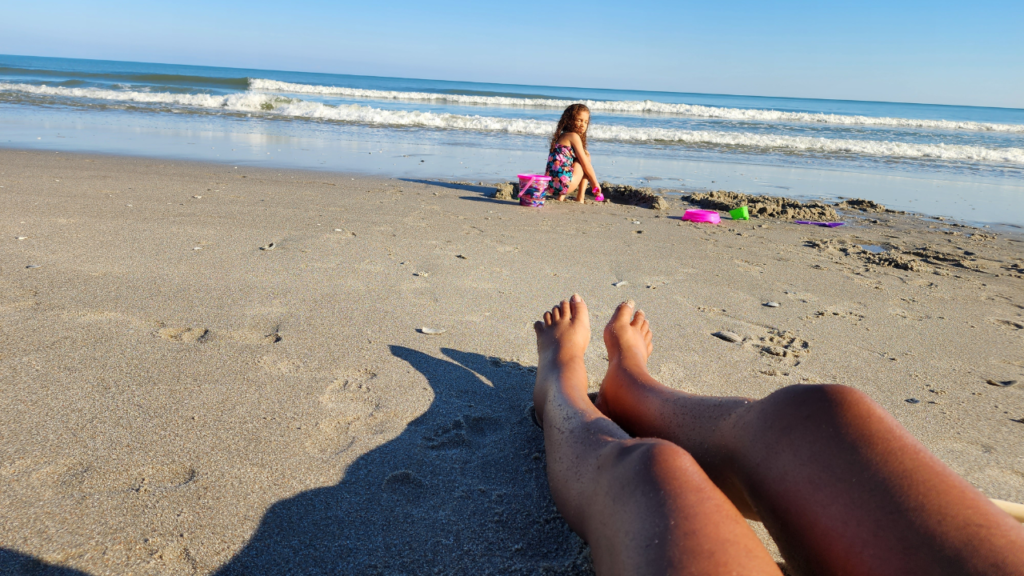
This is one of my favorite low-energy activities.
We sit quietly and listen.
- Waves crashing
- Wind moving
- Seagulls calling
Listening builds mindfulness, especially for kids who are usually busy and loud. It’s calming, grounding, and deeply connected to nature.
8. Beach Clean-Up as a Family Activity
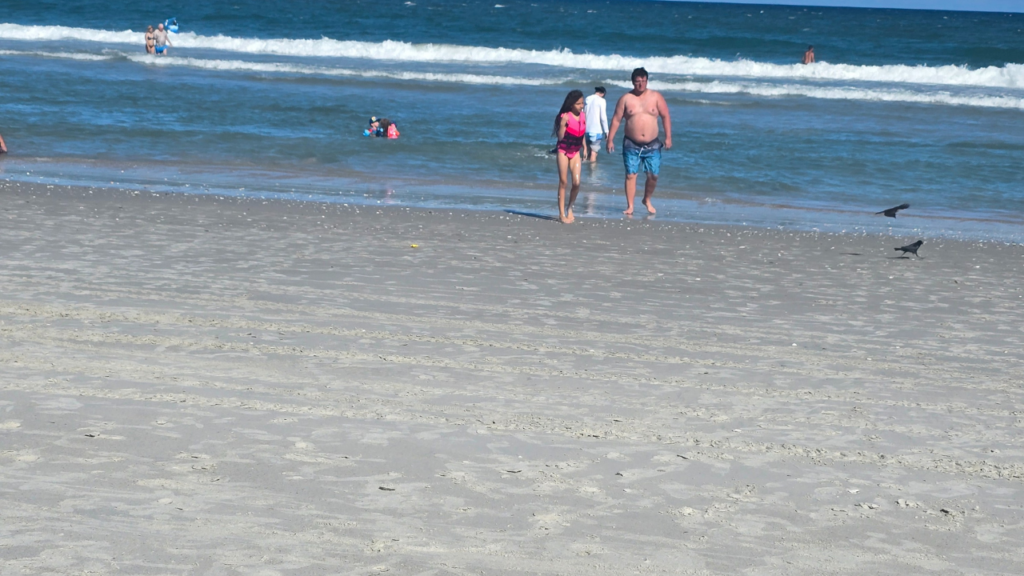
Picking up trash is one of the most impactful eco-friendly beach activities.
We bring a small bag and pick up items as we walk. Kids feel proud helping protect the beach.
This isn’t about guilt. It’s about stewardship. Kids learn that caring for a place is part of enjoying it.
9. Photography and Memory Keeping

Instead of collecting objects, we collect moments.
Kids take photos of:
- Interesting rocks
- Tide pools
- Sand patterns
- Family footprints
Photography encourages observation and creativity while leaving nature exactly as it was found.
10. Simply Playing and Being Present
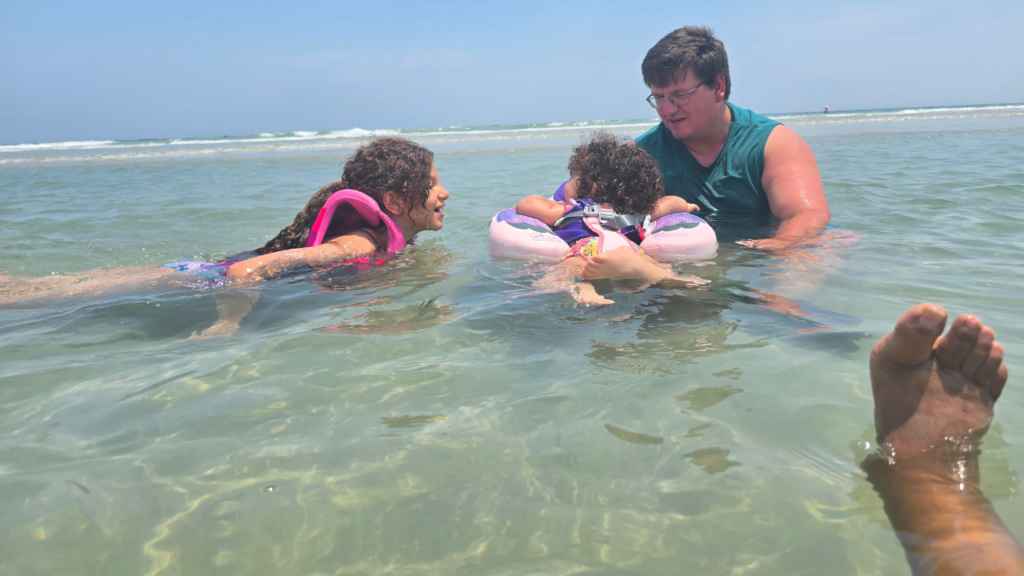
Sometimes the most eco-friendly activity is the simplest one.
Running.
Digging.
Laughing.
Resting.
Unstructured play uses imagination instead of resources. Kids don’t need constant entertainment to enjoy the beach. They need time, space, and freedom.
Why Eco-Friendly Beach Activities Matter for Families
Eco-friendly beach activities teach kids:
- Respect for nature
- Mindful enjoyment
- Responsibility without pressure
- That fun doesn’t have to be wasteful
As parents, we don’t have to be perfect. We just need to be intentional. Small choices add up over time.
How I Approach Eco-Friendly Beach Days as a Parent
I don’t believe in overcomplicating things.
We:
- Pack reusable items
- Avoid single-use plastics when possible
- Leave everything better than we found it
- Talk openly about why it matters
Kids learn most by watching. When they see us caring for the beach, they follow naturally.
FAQ: Eco-Friendly Beach Activities for Families
What does eco-friendly beach activity really mean?
Eco-friendly beach activities are activities that do not damage the environment, disturb wildlife, or leave waste behind. They focus on enjoying the beach while leaving nature exactly as you found it.
Do eco-friendly beach activities limit fun for kids?
Not at all. In fact, many kids enjoy these activities more because they involve exploration, creativity, and freedom. Activities like sandcastle building, tide pooling, and scavenger hunts spark curiosity without relying on toys or screens.
Can young children participate in eco-friendly beach activities?
Yes. Eco-friendly beach activities work for all ages, including toddlers and babies. Simple activities like listening to the ocean, watching birds, or digging in the sand are safe and engaging for younger children.
Is it okay for kids to collect shells at the beach?
It’s best to look at shells without taking them home, especially shells found in the water or tide pools. Shells play an important role in the ecosystem and provide homes for small creatures. Photos make great keepsakes instead.
How do I explain eco-friendly behavior to kids without scaring them?
Keep explanations simple and positive. Focus on caring for the beach, not rules or consequences. Kids respond well when they understand they’re helping protect a place they love.
What should families avoid doing at the beach to protect nature?
Families should avoid disturbing wildlife, removing plants or shells, leaving trash behind, or stepping on fragile areas like dunes and tide pools. Staying aware and respectful goes a long way.
Do eco-friendly beach days require special gear?
No special gear is needed. Reusable water bottles, bags, and containers help reduce waste, but most eco-friendly activities rely on observation and imagination rather than equipment.
How can beach cleanups be kid-friendly?
Keep cleanups short and casual. Let kids pick up visible trash during a walk. Make it feel helpful, not like a chore, and always supervise closely for safety.
Why is teaching eco-friendly beach habits important for kids?
Kids who learn early to respect nature are more likely to care for the environment as they grow. These habits build empathy, responsibility, and awareness in a natural, age-appropriate way.
Can families still relax while being eco-friendly at the beach?
Absolutely. Eco-friendly beach days are often more relaxed and enjoyable because they focus on being present instead of managing clutter, toys, or waste. Simple beach days tend to be the most memorable.
Enjoying the Beach Without Taking From It
The beach gives us so much. Joy. Calm. Connection. Wonder.
Eco-friendly beach activities allow families to enjoy all of that without harming the very place we love. When kids learn early that nature is something to respect, not use up, they grow into thoughtful travelers and caretakers.
You don’t need to do everything perfectly. Start with one or two activities. Build from there. The beach will thank you, and so will future families.
Looking for more family-friendly beach activities and nature-based ideas?
Visit the Fun Shores Ahead hub to explore simple, thoughtful ways to enjoy the beach together.