



Traveling to the beach with young kids can be one of the most rewarding experiences for a family but at the same time it can be one of the most exhausting if you’re not prepared. The beach has a way of slowing life down, inviting kids to explore, play, and use their imagination, while parents soak in moments that feel simple and meaningful. But when you’re packing for babies, toddlers, or early elementary-age kids, a little planning goes a long way.
From sandy snacks and sun protection to nap schedules and safety, beach travel with young kids isn’t about perfection. It’s about setting yourself up so the day feels manageable, flexible, and fun for everyone involved. These tips are designed to help you enjoy the beach with your kids, not just survive it.
1. Choose a Beach That Works for Young Kids
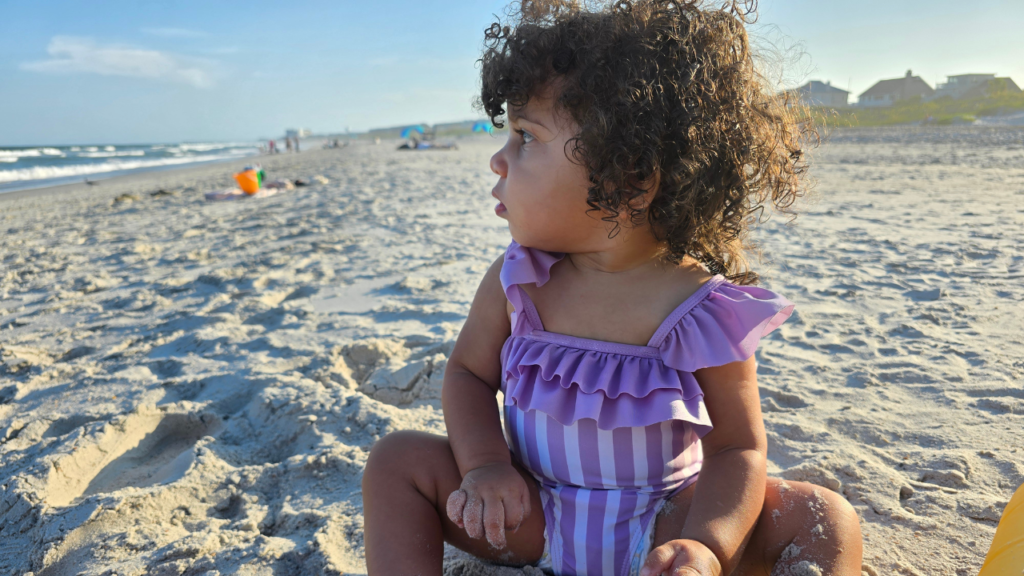
Not all beaches are created equal, especially when little ones are involved. Calm waters, gradual shorelines, and easy access to amenities make a big difference when you’re managing kids who are still learning how to navigate the ocean. Family-friendly beaches often have lifeguards, restrooms nearby, and shorter walks from parking to sand.
Parents of young kids also benefit from beaches that aren’t overly crowded or chaotic. Quieter stretches allow kids to explore without constant redirection, and parents can relax a bit more knowing they’re in a safer, calmer environment. Choosing the right beach sets the tone for the entire trip.
2. Pack With a “Beach Day Flow” in Mind
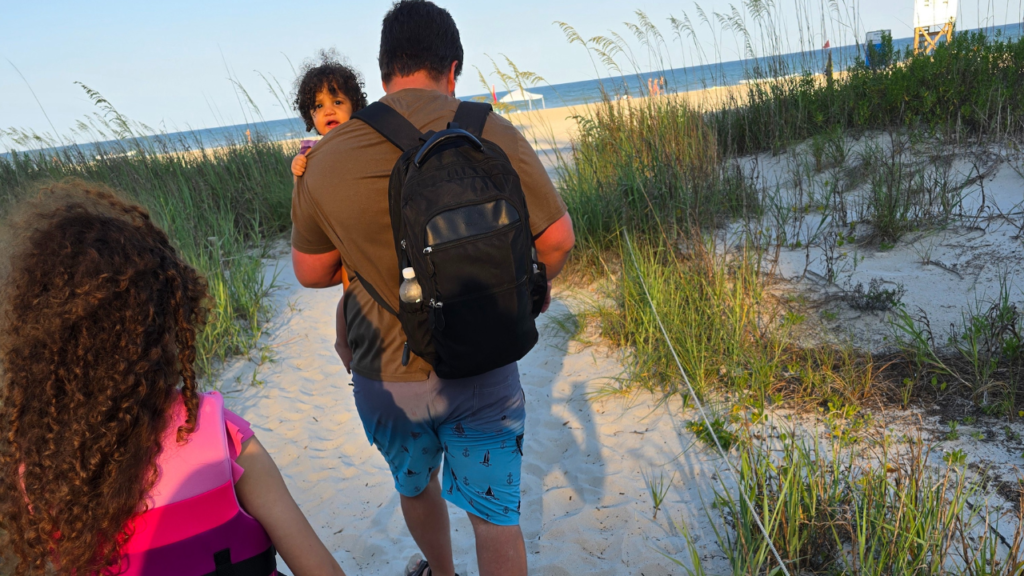
When traveling with young kids, packing isn’t just about what you bring, it’s about how you’ll use it. Think through the flow of your beach day: arrival, playtime, snacks, rest, and wind-down. Packing items in the order you’ll need them can make transitions smoother.
Separate bags for food, sun protection, toys, and clothing changes help prevent frantic digging when a child suddenly needs sunscreen or a snack. A well-organized setup allows you to focus on enjoying the moment instead of constantly searching for something.
3. Sun Protection Is Non-Negotiable

Young skin is especially sensitive, and beach days often mean longer exposure than parents realize. Hats, rash guards, umbrellas, and sunscreen should be part of your daily beach routine, not an afterthought. Applying sunscreen before you arrive at the beach helps prevent missed spots during excited arrivals.
Reapplying regularly is just as important, especially after water play. Creating a routine around sun protection teaches kids early that caring for their skin is simply part of being outdoors. Shade breaks throughout the day can also help prevent overstimulation and fatigue.
4. Bring Familiar Comfort Items

The beach is exciting, but it’s also full of new sounds, textures, and sensations for young kids. Bringing familiar items like a favorite blanket, stuffed animal, or nap pillow can help children feel grounded in an unfamiliar environment. These comfort items can be especially helpful during rest breaks or when emotions start running high.
Even something as simple as a familiar snack cup or water bottle can provide reassurance. Comfort doesn’t mean limiting adventure, it helps kids recharge so they can enjoy the experience longer.
5. Plan Around Natural Energy Levels

Beach days are best when they work with your child’s natural rhythm instead of against it. Mornings tend to be cooler, calmer, and less crowded, making them ideal for young kids. Early hours are perfect for sand play, shallow water exploration, and relaxed family time.
Midday heat can be intense, especially for toddlers and babies. Planning for a midday break, whether it’s a nap, quiet time, or leaving the beach for a bit, helps everyone reset. Returning later in the afternoon often feels like starting fresh.
6. Set Simple Safety Rules Early

Before feet hit the sand, it helps to establish a few simple, age-appropriate safety rules. Things like staying within a certain distance, always telling an adult before entering the water, and identifying lifeguard stands give kids clear boundaries. Repeating these rules calmly and consistently builds confidence rather than fear.
Young kids thrive when expectations are clear. Safety rules don’t take away fun, they give kids freedom within safe limits. When kids know the boundaries, parents can relax more and enjoy the moment.
7. Expect Mess and Embrace It
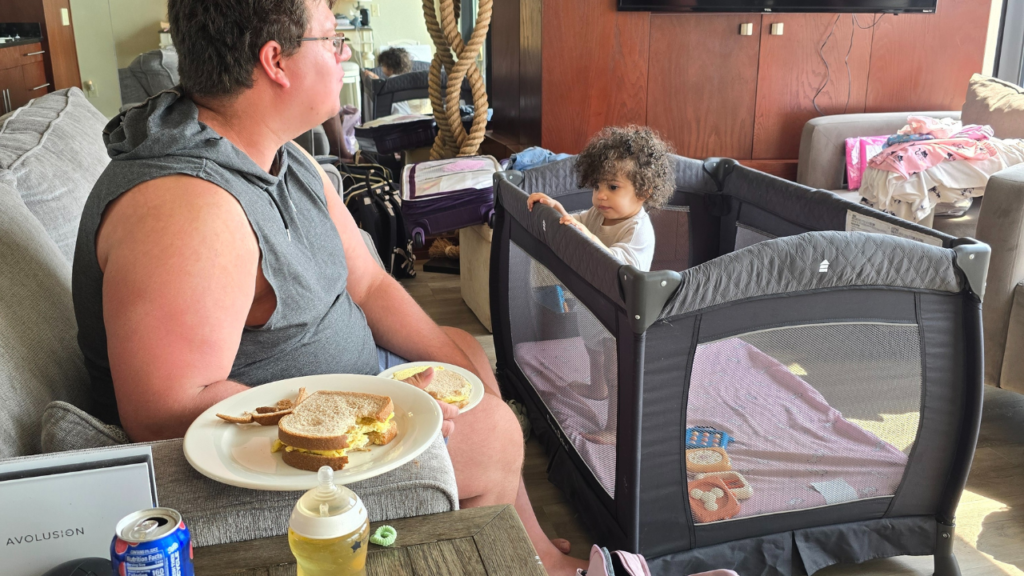
Sand will get everywhere. Snacks will crumble. Clothes will be damp. Accepting this ahead of time can save a lot of frustration. Packing extra clothes, wipes, and towels allows you to roll with the mess instead of fighting it.
Beach mess is often a sign that kids are fully engaged and enjoying themselves. Letting go of perfection makes room for laughter, creativity, and spontaneous fun. The memories usually outshine the cleanup.
8. Snacks and Hydration Are Everything

Young kids burn through energy quickly, especially in the sun. Frequent snacks and hydration breaks help prevent meltdowns and keep moods steady. Easy-to-eat snacks that don’t melt or crumble too much tend to work best at the beach.
Offering water often, even before kids ask, helps prevent dehydration. Turning snack time into a relaxed family break under shade gives everyone a chance to recharge before heading back into play mode.
9. Keep Expectations Flexible
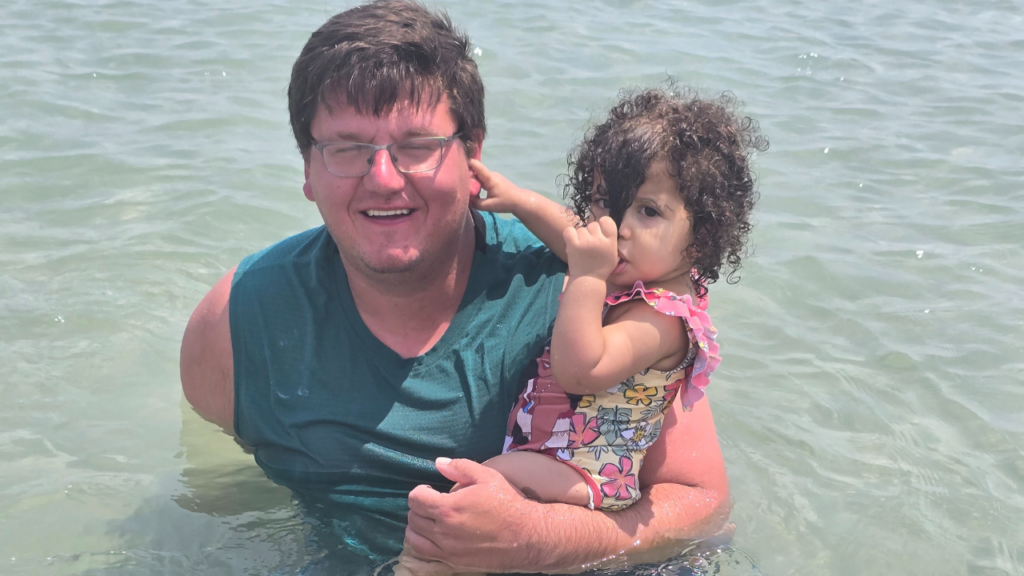
Beach travel with young kids rarely goes exactly as planned, and that’s okay. Some days you’ll stay longer than expected, other days you’ll leave early. Being flexible allows you to respond to your child’s needs without disappointment.
Rather than focusing on doing everything, focus on enjoying something. A short, happy beach visit is far more memorable than an overstretched one filled with frustration. Flexibility is often the secret to a truly enjoyable family trip.
10. Capture Moments, Not Perfection

It’s tempting to try to document every moment, but the best memories often happen when phones are tucked away. Candid moments, sandy hands, belly laughs, quiet ocean watching, tell the real story of your family’s beach experience.
Take a few photos, then join in. Your kids will remember how it felt to be together more than how perfectly the day was captured. Presence is the most meaningful souvenir you can bring home.
FAQ: Beach Travel With Young Kids
What age is best to take kids to the beach?
There’s no single “perfect” age to take kids to the beach. Babies can enjoy the sights and sounds from shaded areas, while toddlers love digging in the sand and splashing at the shoreline. The key is choosing a beach that matches your child’s development stage and planning shorter, flexible visits.
How long should young kids stay at the beach each day?
For most young kids, two to four hours is usually ideal. Morning or late afternoon visits tend to work best because temperatures are cooler and kids have more energy. Watching your child’s cues matters more than sticking to a schedule.
What should I bring to the beach with a baby or toddler?
Essentials include sunscreen, hats, extra clothes, wipes, snacks, water, and some form of shade. Comfort items like a favorite blanket or toy can also help kids relax during breaks. Packing with your child’s routine in mind makes the day much smoother.
Are beach naps realistic for young kids?
They can be, but they’re not guaranteed. Some kids nap easily with the sound of waves and a shaded setup, while others may need to leave the beach for proper rest. Planning flexibility around naps helps prevent frustration for both parents and kids.
How do I keep my child safe near the water?
Staying within arm’s reach, using lifeguarded beaches, and setting simple water rules early are key. Bright swimwear makes kids easier to spot, and frequent reminders help reinforce safety. Calm, consistent supervision is the most important factor.
What’s the best time of day to go to the beach with young kids?
Early mornings and late afternoons are usually best for families with young kids. These times offer cooler temperatures, fewer crowds, and a calmer atmosphere. Many parents find these windows make beach days far more enjoyable.
How do I prevent beach day meltdowns?
Regular snack breaks, hydration, shade, and rest go a long way. Watching for early signs of overstimulation helps you adjust before emotions run high. Keeping expectations simple and flexible is often the biggest meltdown-prevention tool.
Conclusion: Make the Beach Work for Your Family
Beach travel with young kids isn’t about flawless days or packed schedules. It’s about creating space for connection, exploration, and shared joy. With thoughtful planning, flexible expectations, and a focus on your family’s unique rhythm, the beach can become one of your favorite places to slow down together.
Every family’s beach experience looks a little different, and that’s what makes it special. Whether it’s your child’s first time touching the sand or a tradition you return to year after year, these moments build memories that last far beyond the shoreline.
Ready to plan your next family beach adventure?
Explore our family-friendly beach guides, tips, and destination ideas to help you choose the perfect spot for your crew.